The selection of specific frame specifications is the decisive factor in preventing botanical contamination within the hive. High-end monofloral honey, such as Acacia, requires standardized frames that allow beekeepers to physically segregate nectar collected during specific blooming cycles, ensuring the final product retains its unique flavor profile and high purity without being diluted by other botanical sources.
The ability to command a premium price for monofloral honey relies on architectural flexibility within the hive. Standardized frame specifications empower apiarists to swap and isolate storage units rapidly, ensuring that distinct nectars are harvested separately to maintain the strict purity required for high-value certification.
The Mechanics of Purity
To produce "single-origin" honey, you must align your equipment with the biological rhythms of the colony. The frame is not just a storage unit; it is the primary control mechanism for segregation.
Optimizing Storage Behavior
Specialized frame specifications are engineered to manage how honeybees utilize space during peak nectar flow.
During intense blooms like Acacia, the colony brings in resources rapidly. The frame architecture must encourage immediate storage in specific areas of the hive rather than scattered deposition.
This focus allows for efficient filling of "supers" (the boxes holding the frames), which creates a clear demarcation between different honey crops.
The Necessity of Standardization
The primary reference highlights that standardization is critical for operational flexibility.
Beekeepers must be able to move frames between boxes or remove them entirely without friction. If frames are non-standard or incompatible, the rapid swapping required during a bloom becomes impossible.
Standardized components ensure that when a specific flower begins to bloom, empty frames can be inserted immediately, and when the bloom ends, they can be isolated just as quickly.
Preventing Botanical Mixing
The core threat to monofloral honey is the mixing of nectars.
If a frame contains residual honey from a previous bloom (e.g., Rapeseed) and is left in the hive during the Acacia bloom, the bees will mix the two.
By utilizing specific, interchangeable frame specs, beekeepers can "clear" the hive of previous stores before the target crop blooms. This ensures the resulting harvest is chemically and distinctly derived from the target botanical source.
Understanding the Trade-offs
While specialized frame management yields higher value products, it introduces operational complexity that must be managed.
Precision vs. Labor Intensity
Achieving high purity requires constant intervention. You cannot simply place frames in spring and harvest in autumn.
You must monitor blooming windows precisely and physically manipulate the hive components to match them. This requires more labor hours per hive compared to producing generic "wildflower" or polyfloral honey.
The Risk of Timing Errors
Reliance on frame swapping assumes accurate knowledge of flowering periods.
If you isolate frames too late, you risk contamination. If you swap them too early, you may disrupt the colony or harvest unripe nectar. The hardware (the frame) is only as effective as the management strategy behind it.
Making the Right Choice for Your Goal
Your choice of frame specifications and management style should be dictated by your end-product goals.
- If your primary focus is Premium Monofloral Honey: Prioritize highly standardized, modular frame systems that allow for rapid, frequent swapping to isolate short blooming windows like Acacia.
- If your primary focus is Volume and Efficiency: Prioritize larger storage capacity and reduced intervention, accepting that the resulting honey will be a polyfloral blend.
The frame is the interface between the bee's instinct and the market's demand. Choose specifications that give you the control necessary to capture the specific value you seek.
Summary Table:
| Feature | Monofloral Honey Production | Polyfloral/Generic Production |
|---|---|---|
| Frame Requirement | Standardized & Highly Modular | High Capacity & Low Maintenance |
| Storage Strategy | Rapid Swapping & Physical Segregation | Continuous Storage & Minimal Intervention |
| Purity Control | Prevents Botanical Mixing via Timing | Natural Blend of Various Nectar Sources |
| Labor Intensity | High (Frequent monitoring & swaps) | Low (Seasonal harvesting) |
| Market Value | Premium (High-end certification) | Standard (Volume-based) |
Maximize Your Apiary’s Premium Output with HONESTBEE
Producing high-purity Acacia honey requires more than just skill—it demands precision-engineered equipment. At HONESTBEE, we specialize in supporting commercial apiaries and distributors with the high-quality, standardized beekeeping tools and machinery necessary for high-end monofloral production.
Whether you need modular hive frames, advanced hive-making machines, or precision honey-filling equipment, our comprehensive wholesale portfolio is designed to enhance your operational flexibility and product value.
Ready to elevate your honey purity and command premium prices? Contact us today to explore our full spectrum of professional equipment and consumables." Form)!"
References
- Alíz Feketéné Ferenczi, Viktória Vida. A hazai méhészeti ágazat helyzetének elemzése (termelés, kereskedelem). DOI: 10.20494/tm/8/2/2
This article is also based on technical information from HonestBee Knowledge Base .
Related Products
- Assembled Wooden Bee Frames with Plastic Foundation for Durability and Convenience by HONESTBEE
- Assembled Wooden Bee Frames with Beeswax Foundation Ready to Use by HONESTBEE
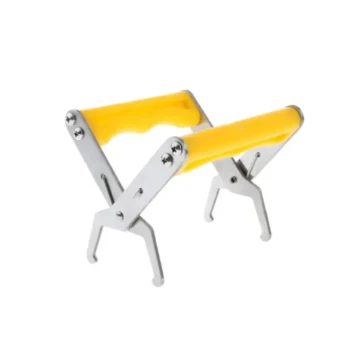
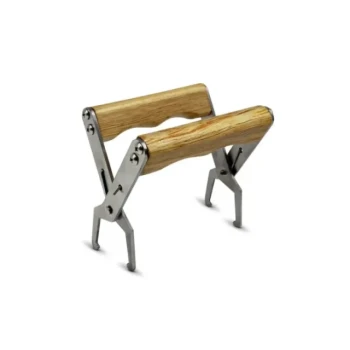
- Ergonomic High Visibility Plastic Frame Grip Handles
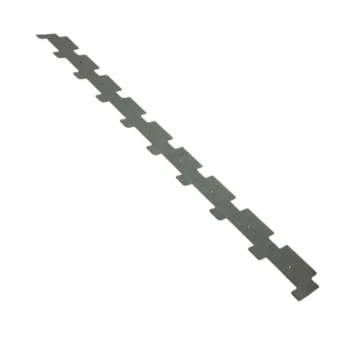
- Heavy Duty Castellated Iron Frame Spacer for Honey Supers
- HONESTBEE Durable Frame Wiring Board with Integrated Tensioner
People Also Ask
- When should frames with new foundation be given to colonies? Master Timing for a Thriving Hive
- Can beekeepers switch between wooden and plastic frames? Optimize Your Hive's Performance
- Do you have to wire bee frames? Essential Guide to Frame Strength & Honey Harvesting
- What types of bee frames can be cleaned and returned to service? A Guide to Safe Apiary Refurbishment
- What are bee frames and how are they sized? A Professional Guide to Standardization & Material Choice