The prohibition of brood combs during honey filtration and harvesting is a fundamental rule in organic apiculture designed to guarantee product purity. By excluding combs used for rearing young bees, producers prevent contamination from larval remains and biological byproducts that compromise the honey's cleanliness and flavor. This practice also aligns with strict organic mandates regarding animal welfare.
Organic standards enforce this separation to achieve two non-negotiable goals: maintaining the absolute hygienic integrity of the honey and adhering to strict protocols that forbid the killing of bees during the harvest.
Preserving Honey Purity and Taste
The primary driver for this regulation is the chemical and physical quality of the final product.
Eliminating Biological Contaminants
Brood combs are the nursery of the hive, where new bees are raised from egg to larvae to adult. Consequently, these combs frequently contain larval remains and other specific biological waste. Filtration processes involving these combs would introduce foreign organic matter into the honey, violating organic hygiene standards.
Protecting Sensory Quality
The presence of non-honey biological byproducts does more than affect hygiene; it alters the sensory profile of the product. Using clean honey supers rather than brood combs ensures the taste remains unadulterated. This separation prevents "off-flavors" derived from the breakdown of pupal casings or metabolic waste found in the brood nest.
Ethical Harvesting and Colony Welfare
Organic certification extends beyond the product to the treatment of the livestock—in this case, the colony.
The No-Kill Requirement
A cornerstone of organic beekeeping regulations is the strict prohibition against killing bees during the harvest. Harvesting honey from brood combs inevitably disrupts the active nursery of the hive, posing a high risk of accidental bee mortality. Restricting harvest to honey-only frames safeguards the population.
Maintaining Colony Stability
By declaring brood combs off-limits for filtration, the organic standard ensures the core structure of the colony remains intact. This protects the developing generation of bees. It prioritizes the long-term health of the hive over maximizing immediate harvest volume.
Understanding the Operational Trade-offs
While necessary for certification, this restriction imposes specific operational constraints on the beekeeper.
Reduced Harvest Volume
Beekeepers cannot simply harvest every frame of honey present in the hive. They must leave significant resources behind if that honey is stored within the brood nest. This requires careful management to ensure the bees store surplus honey in dedicated supers rather than mixing it with the brood.
Strict Equipment Management
This protocol demands rigorous sorting of frames. A frame once used for brood cannot be cycled up into the honey harvest later. This necessitates a clear physical separation of equipment to prevent cross-contamination of comb types.
Making the Right Choice for Your Goal
Adhering to organic apiculture standards requires prioritizing quality and ethics over maximum extraction.
- If your primary focus is Product Quality: Ensure strict separation of supers, as this eliminates the risk of larval remains affecting the flavor and hygiene of your honey.
- If your primary focus is Ethical Certification: Avoid touching the brood nest during harvest to comply with regulations that forbid bee mortality.
High-quality organic honey is defined as much by what is excluded from the jar as what is included.
Summary Table:
| Aspect | Requirement | Benefit |
|---|---|---|
| Hygienic Integrity | No larval remains or biological waste | Prevents contamination and ensures absolute product purity |
| Sensory Profile | Use only dedicated honey supers | Protects against off-flavors and maintains unadulterated taste |
| Animal Welfare | Strict "no-kill" harvest protocol | Prevents bee mortality and protects the developing colony |
| Operational Standard | Rigorous frame sorting and separation | Ensures compliance with organic certification and long-term hive health |
Elevate Your Organic Apiary with HONESTBEE
Adhering to strict organic standards requires the right equipment. HONESTBEE specializes in supporting commercial apiaries and distributors with premium beekeeping solutions. Whether you need specialized honey-filling machines to maintain purity or high-quality honey supers to separate your brood nest, we have you covered.
From industrial-grade hive-making machinery to essential consumables and honey-themed cultural merchandise, we provide the tools you need to maximize efficiency without compromising ethical standards.
Ready to scale your wholesale operations? Contact us today to discover how our comprehensive equipment range can benefit your business.
References
- Lale Taş. TERMS RELATED TO PRACTICE RULES AND REGULATIONS OF ORGANIC BEEKEEPING PRODUCTION IN TURKEY. DOI: 10.46291/icontechvol4iss3pp65-76
This article is also based on technical information from HonestBee Knowledge Base .
Related Products
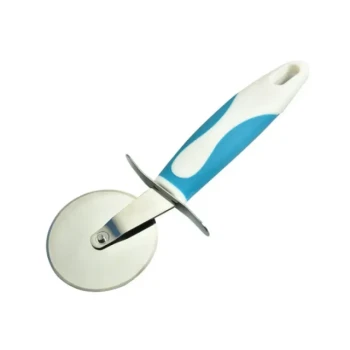
- Professional Rolling Wax Cutter with Ergonomic Handle
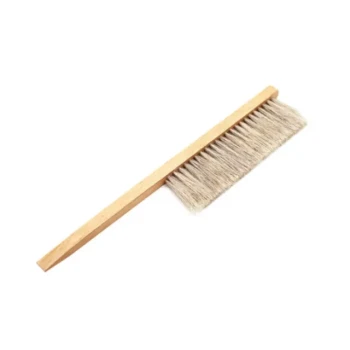
- Wooden Bee Brush with Double-Row Horsehair Bristles
- Heart-Shaped Comb Honey Frame and Honeycomb Cassette
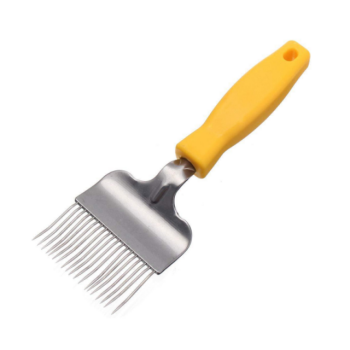
- Professional Bent Tine Honey Uncapping Fork with Ergonomic Grip
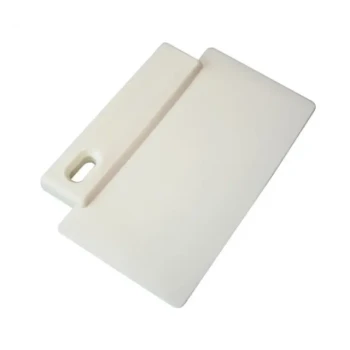
- Professional Wide Blade Honey Scraper for Beekeeping and Honey Processing
People Also Ask
- What tools are used to cut wax foundations? The Essential Guide for a Perfect Fit
- How should cut foundation be stored? Protect Your Investment from Pests and Damage
- What is the function of a beekeeping knife? Master the Art of Honey Uncapping and Extraction
- What is the process for cutting milled wax foundation to a specific size? Master Precision Beekeeping Techniques
- How is a comb cutter used to produce cut comb honey? Master the Art of Precision Harvesting