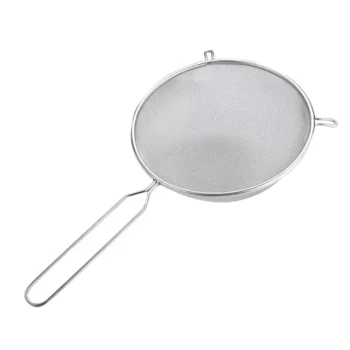
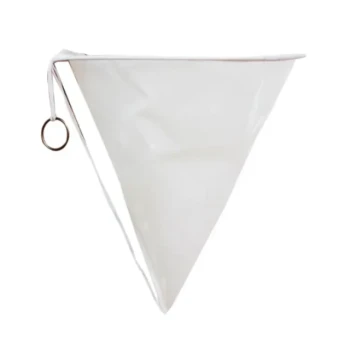
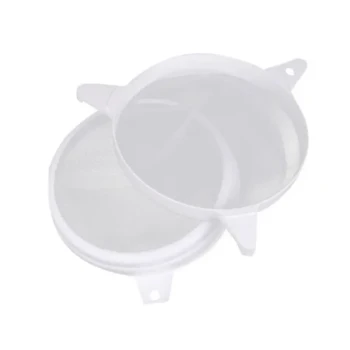
Strict regulations regarding honey pollen filtration equipment are enforced primarily to combat international food fraud and protect the integrity of the supply chain. While high-grade filtration can improve product clarity, this specific equipment is frequently utilized to strip honey of its pollen, which serves as the biological "fingerprint" necessary to verify the product's geographical origin.
Core Takeaway Pollen acts as the only reliable proof of honey’s origin. Regulations focus on filtration equipment to prevent bad actors from removing these markers, a tactic used to mislabel low-quality imported honey as high-value domestic product.
The Mechanics of Honey Fraud
Pollen as a Geographic Identifier
In the international honey trade, pollen is not viewed as an impurity; it is data. The specific types of pollen found within a batch act as a geological passport, proving exactly where the nectar was harvested.
Concealing Origin for Profit
Unscrupulous exporters use specialized filtration equipment to remove this pollen intentionally. By scrubbing the "origin information," they can mask the identity of low-quality or tariff-evading imported honey.
The Misrepresentation Trap
Once the pollen is removed, this generic syrup can be repackaged and fraudulently sold as high-value domestic honey. This undercuts local producers and deceives consumers, necessitating strict traceability management for the machinery capable of this level of filtration.
Legitimate Processing vs. Illicit Filtration
The Scale of Filtration
It is important to distinguish between standard cleaning and ultra-filtration. An average pollen grain is approximately 25 microns wide, whereas standard honey filters have openings of 200 microns or larger.
Standard Industry Practice
Standard filters allow microscopic pollen to pass through while removing visible debris like wax or bee parts. This ensures the honey remains "honest" while meeting hygiene standards.
The Regulated Technology
The equipment under strict regulation utilizes precision technology capable of filtering below the 25-micron threshold. While this equipment can technically be used to delay crystallization or improve clarity, its ability to erase traceability makes its oversight essential.
Understanding the Trade-offs
Clarity vs. Authenticity
There is a tension between consumer desire for clear, non-crystallized honey and the need for authenticity. Specialized processing equipment can improve physicochemical stability and shelf life, which is critical for long-distance maritime transport.
The Risk of Over-Processing
However, pushing for perfect clarity often requires filtration levels that approach the "fraud threshold." Over-processing honey to achieve standardization can inadvertently strip it of the nutritional content and flavor profiles that command higher market prices.
Making the Right Choice for Your Operations
If you are navigating the intersection of processing standards and regulatory compliance, consider your primary objective:
- If your primary focus is Market Authenticity: Ensure your filtration systems use mesh sizes larger than 25 microns to retain pollen and guarantee geographical traceability.
- If your primary focus is Product Stability: Utilize temperature control and moisture regulation equipment rather than ultra-filtration to extend shelf life without compromising origin data.
True value in the honey market relies on maintaining the delicate balance between industrial standardization and biological integrity.
Summary Table:
| Feature | Standard Filtration | Ultra-Filtration (Regulated) |
|---|---|---|
| Micron Rating | > 200 Microns | < 25 Microns |
| Pollen Retention | Preserved (Biological Data) | Removed (Traceability Erased) |
| Primary Purpose | Removing debris (wax, bees) | Delaying crystallization & masking origin |
| Regulatory Status | Standard Industry Practice | Strictly Monitored / Restricted |
| Market Impact | High Authenticity & Value | Risk of Fraud & Legal Penalties |
Secure Your Hive-to-Market Success with HONESTBEE
Navigating international trade regulations requires the right equipment that balances product quality with strict compliance. At HONESTBEE, we specialize in supporting commercial apiaries and global distributors with a comprehensive range of professional beekeeping tools and machinery.
Whether you need precision honey-filling machines, specialized hive-making equipment, or essential industry consumables, our portfolio is designed to enhance your operational efficiency without compromising the biological integrity of your honey. Let us help you scale your business with hardware that meets the highest industry standards.
Ready to upgrade your commercial apiary? Contact our expert team today to explore our wholesale solutions and cultural honey merchandise.
References
- Christopher R. Gustafson, Antoine Champetier. Could Information About Honey Fraud Increase Consumers’ Valuation of Domestic Honey in the Face of Rising Honey Imports in the U.S. and EU?. DOI: 10.32873/unl.dc.yiitpr.08
This article is also based on technical information from HonestBee Knowledge Base .
Related Products
- Electric Double Wall Honey Filtering Machine Purifier Equipment for Honey Processing Plant
- Professional Stainless Steel Honey Filtering Machine with Water Bath Heating for Beekeeping
- 0.5T Capacity Honey Dehumidifier Dryer with Vacuum Heating and Thickening Filtering Machine
- Professional Stainless Steel Honey Filter with Support Handle
- Professional Honey Filter with Tripod Support Stand
People Also Ask
- What is the process of filtering honey? A Guide to Clean, Pure, and Market-Ready Honey
- What types of equipment are used in honey filtering? Build an Efficient System for Pure, Marketable Honey
- What is the overall importance of using the right equipment in honey filtering? Boost Quality & Marketability
- What role do professional honey harvesting and filtering equipment play in meeting honey market quality standards? Boost ROI
- What are the benefits of drying honey filtering equipment after use? Protect Your Honey Quality & Equipment Investment