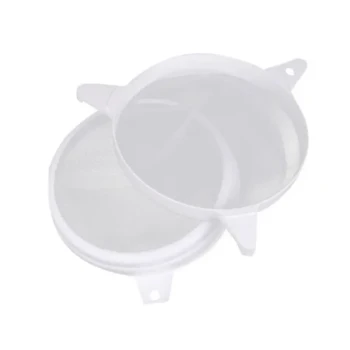
Mechanized honey filtration machines are necessary for value addition because they act as the definitive processing step that converts raw agricultural output into a commercially viable product. By utilizing multi-stage physical interception, these machines efficiently remove impurities—such as wax debris and bee remains—to transform cloudy, crude honey into the clear, pure liquid required for high-value markets.
Core Takeaway While raw honey holds intrinsic natural value, it often fails to meet strict commercial standards due to physical impurities. Mechanized filtration is the essential bridge that ensures product consistency and hygiene, enabling producers to move from selling low-cost bulk honey to commanding a premium price for retail-ready brands.
The Mechanics of Value Creation
Transforming Crude Material into Commercial Product
The primary function of mechanized filtration is multi-stage physical interception. Raw honey extracted directly from the hive contains various physical contaminants that make it unsuitable for direct retail.
These machines systematically remove wax debris, bee remains, and other suspended impurities. This process is not merely cosmetic; it creates a "clear liquid honey" that consumers associate with quality and purity.
Ensuring Product Consistency
Value addition relies heavily on reliability. A manual filtration process can result in variable quality between batches.
Mechanized systems ensure that every batch meets the same standard of clarity and texture. This consistency is the foundation of brand loyalty and is required to justify a higher price point in the marketplace.
Economic and Strategic Implications
Accessing Premium Markets
The most significant driver for using these machines is market access. Unfiltered, crude honey is generally relegated to lower-priced bulk wholesale markets.
To enter high-value consumer markets or export channels, honey must meet rigorous market access standards. Mechanized filtration removes the barriers to these markets, allowing the product to be sold at a significantly higher price premium.
Enabling Advanced Packaging
While filtration is a distinct process, it is the prerequisite for modern packaging. According to industry standards, high-value honey processing often leads to automated filling.
You cannot effectively use high-precision filling machines if the honey is full of particulate matter. Therefore, filtration is the critical upstream step that protects downstream equipment and ensures hygiene and sensory quality in the final bottled product.
Understanding the Trade-offs
Operational Complexity vs. Output Quality
Moving from simple straining to mechanized filtration introduces a layer of operational complexity. It requires capital investment and maintenance of the "multi-stage" physical barriers.
However, the trade-off is clear: without this mechanization, the producer is limited to selling "crude" honey. The cost of the machinery is offset by the eliminated risk of secondary contamination and the ability to scale production beyond manual limitations.
Standardization vs. "Raw" Appeal
Mechanized filtration standardizes the product. While this is necessary for mass-market value addition, producers must ensure the filtration settings align with their specific brand promises.
The goal is to remove impurities (wax, legs, wings) without stripping the honey of its unique character. The machine provides the control necessary to achieve this balance, unlike manual methods which are often imprecise.
Making the Right Choice for Your Goal
To leverage filtration for maximum value, align your processing strategy with your target market:
- If your primary focus is Mass Retail or Export: Prioritize filtration systems that guarantee compliance with international market access standards to unlock the highest price premiums.
- If your primary focus is Brand consistency: Use mechanized filtration to eliminate batch-to-batch variability, ensuring the clear liquid appearance that builds consumer trust.
- If your primary focus is Scaling Production: View filtration as the necessary precursor to automated filling; it prevents bottlenecks and ensures your final product meets commercial hygiene standards.
Mechanized filtration is not just a cleaning step; it is the strategic tool that upgrades honey from a raw commodity into a high-value, investable asset.
Summary Table:
| Feature | Manual Straining | Mechanized Filtration |
|---|---|---|
| Impurity Removal | Basic/Inconsistent | Multi-stage physical interception |
| Clarity & Aesthetics | Often cloudy/variable | Clear, high-value liquid appearance |
| Processing Speed | Slow & labor-intensive | High-efficiency & scalable |
| Market Access | Limited to local bulk sales | Meets export & premium retail standards |
| Equipment Compatibility | Risk of clogging fillers | Prerequisite for automated bottling |
Elevate Your Apiary Business with HONESTBEE
Are you ready to transition from bulk commodity sales to a high-premium honey brand? HONESTBEE specializes in empowering commercial apiaries and distributors with the professional-grade tools needed for true value addition.
We provide a comprehensive wholesale range of:
- Advanced Honey Filtration & Processing Machinery to ensure export-quality clarity.
- High-Precision Honey-Filling Machines to automate your production line.
- Full Spectrum Beekeeping Hardware and essential industry consumables.
- Honey-Themed Cultural Merchandise to diversify your brand's reach.
Our team is dedicated to helping you achieve industry-leading hygiene and sensory quality standards. Contact HONESTBEE today to optimize your honey processing workflow and unlock your product's full market potential.
References
- Siyoum Yifru Feyissa. Review on Honey Value Chain in Ethiopia. DOI: 10.7176/jmcr/84-01
This article is also based on technical information from HonestBee Knowledge Base .
Related Products
- Automatic Honey Filling and Filtering Machine for Beekeeping Bottle Filling
- Electric Double Wall Honey Filtering Machine Purifier Equipment for Honey Processing Plant
- Honey Concentrating and Filtering Dehumidifier Machine 2T Capacity for Honey
- Professional Stainless Steel Honey Filtering Machine with Water Bath Heating for Beekeeping
- Fully Automatic Honey Filling Packaging Machine for Processing Line
People Also Ask
- What process advantages do professional honey filtering and filling machines provide? Optimize Your Organic Honey Output
- How do honey filling and filtering machines increase product value? Turn Raw Honey into Premium Export-Grade Goods
- How do honey filtration and filling machinery contribute to industrialization? Scale Your Commercial Honey Production
- What specific issues do industrial filtration and automated filling machinery address? Ensure Honey Quality & Compliance
- How does the use of professional honey filtration and filling machinery facilitate international honey exports?