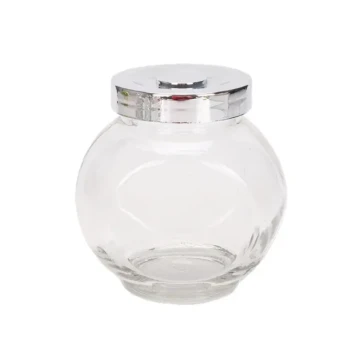
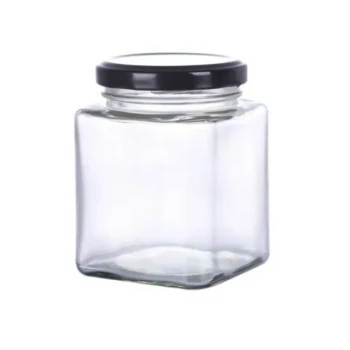
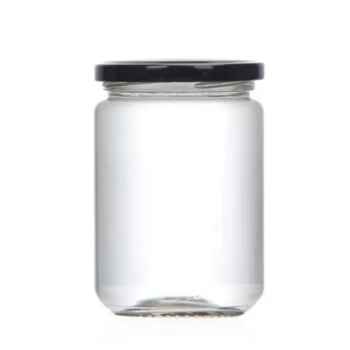
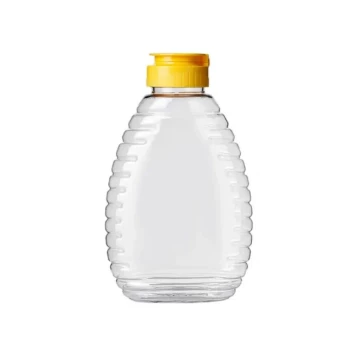
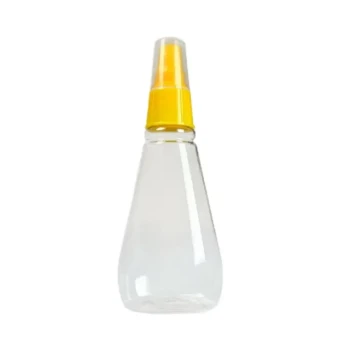
Sealed spherical or cylindrical containers are the industry standard for long-term honey storage because they provide the most reliable defense against moisture absorption, which is the primary cause of fermentation and spoilage. These specific geometries facilitate superior airtight sealing, ensuring the honey maintains the high osmotic pressure required to inhibit bacterial growth.
The Core Insight Honey is naturally hygroscopic, meaning it actively pulls moisture from the air. Without the airtight barrier provided by these specialized containers, ambient humidity dilutes the honey, lowering its natural defenses and triggering irreversible fermentation.
The Mechanism of Preservation
Combating Hygroscopicity
Honey is a highly hygroscopic substance. If exposed to the atmosphere, it will naturally absorb water vapor until it reaches equilibrium with the surrounding humidity.
This absorption is dangerous for long-term storage. Even a slight increase in water content can destabilize the honey's chemical composition.
Preventing Fermentation
The primary risk of increased moisture is fermentation. Natural yeasts present in honey are dormant when water content is low.
However, if the container seal fails or the shape allows air gaps, the absorbed moisture wakes these yeasts. This triggers spoilage, souring the flavor and destroying the product's value.
Maintaining Osmotic Pressure
Honey relies on high osmotic pressure as a natural preservative. This pressure dehydrates bacteria and prevents them from surviving.
Sealed cylindrical or spherical containers maintain this pressure by preventing the dilution of sugars. This allows the honey to leverage its own chemical properties for shelf stability.
Structural and Material Advantages
The Value of the Shape
Spherical and cylindrical designs are critical because they facilitate uniform sealing. Unlike rectangular containers with corners, round rims allow for the application of consistent pressure across the lid.
This geometry eliminates weak points in the seal where air and humidity could infiltrate over time.
Barrier Against Contaminants
Beyond moisture, these containers isolate the honey from external impurities. This includes wind-borne pollen, dust, and foreign odors that can alter the honey's flavor profile.
For scientific applications, this isolation is vital. It preserves the original pollen profile, allowing for accurate melissopalynological analysis (tracing the bees' foraging paths).
Critical Trade-offs and Risks
The Acidity Factor
Honey is weakly acidic. While the shape of the container matters for sealing, the material matters for safety.
Using non-food-grade containers can lead to chemical leaching. The acid in the honey can corrode improper materials, causing harmful substances to migrate into the food.
Thermal Considerations
Not all sealed containers are equal regarding temperature. The container must be robust enough to withstand thermal fluctuation.
High-quality hermetic containers are designed to remain stable during low-temperature transport (18°C) or freezing (-20°C) without cracking or losing their seal integrity.
Making the Right Choice for Your Goal
To ensure the longevity and purity of your honey, select packaging based on your specific end-use requirements:
- If your primary focus is indefinite shelf life: Prioritize hermetic cylindrical glass or high-density plastic, as the round seal offers the best defense against moisture intrusion and fermentation.
- If your primary focus is scientific analysis: Ensure the container is a sterile, food-grade sealed unit to completely isolate the sample from secondary pollen contamination.
- If your primary focus is supply chain efficiency: Select standardized cylindrical containers, as their uniform shape is optimized for inventory management and logistics handling.
Ultimate success in honey storage relies on a perfect marriage between an airtight geometric shape and chemically inert materials.
Summary Table:
| Feature | Advantage for Honey Storage | Impact on Quality |
|---|---|---|
| Hygroscopic Defense | Prevents moisture absorption from air | Stops fermentation and spoilage |
| Geometry (Round) | Ensures uniform sealing pressure | Eliminates weak points for air leaks |
| Osmotic Pressure | Maintains high sugar concentration | Naturally inhibits bacterial growth |
| Airtight Barrier | Blocks dust, pollen, and odors | Preserves flavor and pollen profile |
| Material Safety | Food-grade & acid-resistant | Prevents chemical leaching |
Scale Your Honey Production with HONESTBEE Professional Solutions
Preserving the quality of your honey requires more than just the right container; it requires a robust industrial workflow. HONESTBEE specializes in supporting commercial apiaries and distributors with high-performance beekeeping tools and machinery.
From honey-filling machines designed for precise sealing to commercial-grade hive-making hardware and essential industry consumables, we provide the full spectrum of equipment needed to maintain product integrity at scale.
Ready to elevate your operations? Contact us today to discover how our wholesale offerings and technical expertise can drive efficiency and value for your beekeeping business.
References
- Mona Hassan Ahmed Sawy. Honey consumption and utilization in Late Antique Egypt. DOI: 10.21608/jguaa2.2024.262656.1167
This article is also based on technical information from HonestBee Knowledge Base .
Related Products
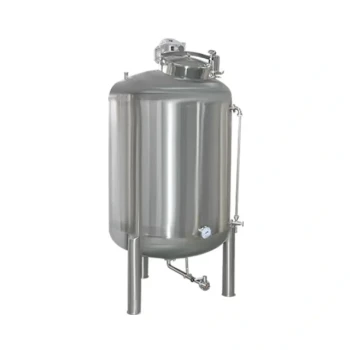
- Stainless Steel Honey Storage Tank with Lid for Honey
- Stainless Steel Honey Storage and Settling Tank with Double Strainer
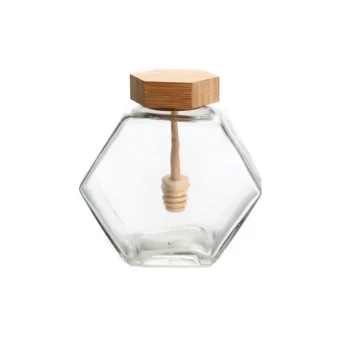
- Hexagonal Glass Honey Jar with Wooden Lid Integrated Dipper Elegant Functional Storage
- Professional Honey Storage Tank with Agitation System
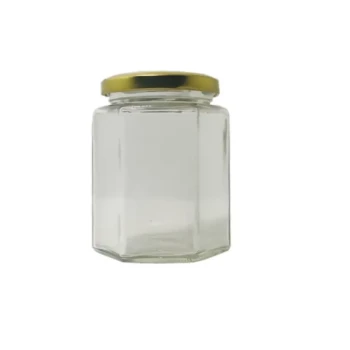
- Hexagonal Glass Honey Jars with Metal Lug Caps Elegant Versatile Packaging
People Also Ask
- What economic role do honey storage tanks play? Boost Your Revenue Through Strategic Inventory Management
- What roles do industrial honey storage tanks and filtration meshes play in processing? Ensure Purity & Consistency
- What is the purpose of a honey storage tank? Streamline Your Honey Processing for Quality & Efficiency
- What are honey storage tanks used for? Essential Features for Quality Preservation and Profit
- How do large honey storage tanks and gravity fall filling systems improve honey packaging efficiency and safety?