The use of specialized sterile sampling tools is non-negotiable for maintaining the scientific integrity of biological data and the biosecurity of the apiary. Primarily, these tools—such as sterilized spatulas and tubes—are required to prevent cross-contamination, ensuring that trace chemical residue analysis and molecular pathogen tests reflect the true status of the specific hive rather than external interference.
Sterile sampling is the only way to guarantee that analytical results represent the hive's actual condition rather than artifacts of collection. It prevents the human-mediated spread of pathogens between colonies and ensures that sensitive molecular and chemical benchmarks are not skewed by environmental contaminants.
Securing Biological and Chemical Accuracy
Preventing Cross-Contamination and Pathogen Spread
The primary risk in sampling multiple colonies is the human-mediated transmission of pathogens. Using the same tools across different hives can mechanically transfer viruses or bacteria, effectively infecting healthy colonies during the research process.
Specialized sterile tools isolate each sample. This ensures that molecular biological tests accurately reflect the infection status of a specific hive, rather than detecting contaminants carried over from a previously sampled colony.
Validating Trace Chemical Analysis
Reliable detection of trace chemical residues requires an environment free from external impurities. Non-sterile equipment introduces foreign substances that can alter the chemical profile of bee bread or honey.
By eliminating these variables, researchers ensure that the chemical signatures detected originate solely from the hive's internal environment and foraging resources.
Preserving Bioactive Stability
For samples undergoing antioxidant or phytochemical analysis, sterile amber glass containers are critical. They block ultraviolet and visible light, preventing the photochemical degradation of light-sensitive bioactive substances like phenolic compounds.
Environmental Isolation and Standardization
Eliminating Secondary Contamination
During collection and transport, honey and bee bread are vulnerable to microorganisms from the external environment. Industrial-grade sterile sampling bags and bottles create a barrier against this secondary contamination.
This isolation is essential for accurate quantitative analysis of microbial loads. It ensures that measured levels of molds, yeast, and total colony counts reflect the sanitary status of the apiary, not the ambient environment of the collection site.
Ensuring Physical Homogeneity and Clarity
Specialized pre-treatment tools, such as de-fatted cotton or fine-mesh filter cloths, are used to physically purify samples. These materials remove beeswax residues, bee body fragments, and hive particles.
This process guarantees the compositional uniformity and high clarity of the samples, which is a prerequisite for consistent testing results.
Controlling Moisture and Ripeness Variables
Sampling specifically from closed storage pots using specialized tools provides a standardized moisture indicator. This strategy excludes fluctuations caused by atmospheric moisture absorption found in open pots.
This ensures the data reflects the fully processed, dehydrated state of the honey, which is essential for establishing accurate quality standards.
Common Pitfalls and Trade-offs
The Risk of False Positives
The most significant trade-off of ignoring sterile protocols is the generation of false positive results. In highly sensitive molecular diagnostics (such as for Nosema or CBPV), even microscopic cross-contamination can lead to a diagnosis of infection in a healthy colony.
Temperature Dependency
Sterility alone is often insufficient for sample preservation. Sterile tools must frequently be combined with high-performance cold storage (4 °C) to inhibit the metabolic rate of indigenous microorganisms.
Failure to maintain this temperature chain can allow bacterial growth within the sterile container, skewing the analysis of the original microbial load.
Making the Right Choice for Your Goal
To select the appropriate sampling strategy, consider your specific analytical end-point:
- If your primary focus is Pathogen Detection: Prioritize single-use, sterilized spatulas and containers for every colony to prevent cross-contamination and ensure clinical prevalence rates are accurate.
- If your primary focus is Chemical or Antioxidant Profiling: Utilize sterile amber glass containers to prevent light-induced degradation of phenolic compounds and bioactive substances.
- If your primary focus is Microbial Load Analysis: Combine industrial-grade sterile sampling bags with strict temperature control (4 °C) to prevent secondary contamination and inhibit indigenous growth during transport.
Accurate data begins with the discipline of sterile collection; a compromised sample yields compromised science.
Summary Table:
| Feature | Specialized Sterile Tool | Impact on Sample Integrity |
|---|---|---|
| Pathogen Control | Single-use/Sterilized Spatulas | Prevents human-mediated cross-contamination between hives. |
| Chemical Purity | Clean-room Grade Containers | Eliminates trace residues and external chemical impurities. |
| Light Protection | Sterile Amber Glass | Blocks UV rays to preserve light-sensitive bioactive compounds. |
| Microbial Barrier | Industrial Sampling Bags | Prevents secondary environmental contamination during transport. |
| Sample Clarity | De-fatted Cotton/Mesh | Removes beeswax and fragments for physical homogeneity. |
Secure Your Apiary’s Success with HONESTBEE
Precise biological data starts with the right equipment. HONESTBEE empowers commercial apiaries and distributors with high-quality, professional-grade beekeeping tools and machinery. Whether you need specialized hardware like honey-filling machines or essential sampling consumables, our comprehensive wholesale catalog is designed to meet the rigorous demands of the modern bee industry.
Don’t let compromised samples undermine your business. Contact us today to discover how our tailored equipment solutions can enhance your efficiency and product quality!
References
- Elena Alonso‐Prados, Mariano Higes. Effects of Thiamethoxam-Dressed Oilseed Rape Seeds and Nosema ceranae on Colonies of Apis mellifera iberiensis, L. under Field Conditions of Central Spain. Is Hormesis Playing a Role?. DOI: 10.3390/insects13040371
This article is also based on technical information from HonestBee Knowledge Base .
Related Products
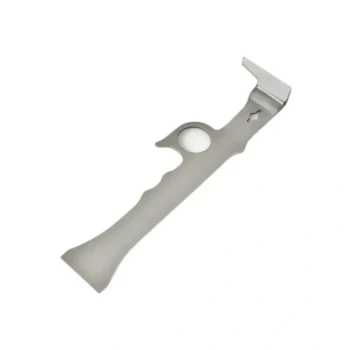
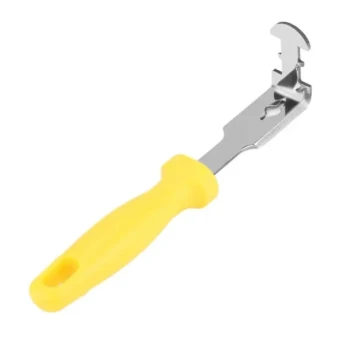
- Heavy-Duty Ergonomic Stainless Steel Pollen Shovel
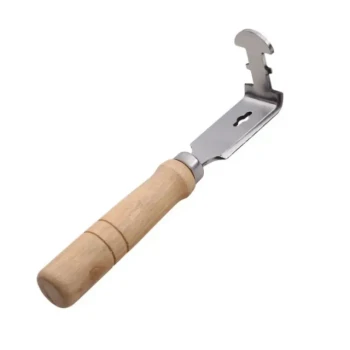
- Stainless Steel Pollen Shovel with Wooden Handle
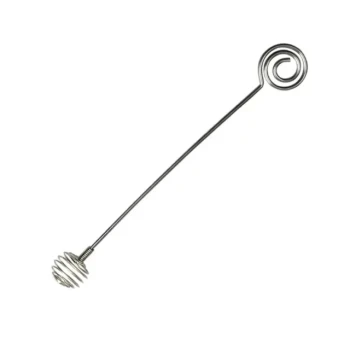
- Modern Stainless Steel Honey Dipper Stirrer
- All-Stainless Steel Pivoting Honey Uncapping Fork for Beekeeping
- Wide Adjustable Stainless Steel Honey Uncapping Fork with Scraper
People Also Ask
- How is pollen cleaned after it has been dried? Master Efficient Separation for Pure Bee Pollen
- What methods are used to clean harvested bee pollen? Scale Your Beekeeping Operations with the Right Technique
- How can harvested bee pollen be cleaned to remove impurities? Efficient Methods for Commercial and Hobbyist Beekeepers
- How do bee pollen collection tools affect the quality of bee pollen used in functional dairy ice cream production?
- What is the technical significance of using specialized cutting tools for propolis? Master Precision Pollen Harvesting