Standardized food-grade plastic containers are the baseline requirement for professional honey distribution. They differ fundamentally from ad-hoc solutions like recycled bottles by providing a certified hygienic environment that prevents oxidation and external contamination. Beyond safety, these containers offer the specific sealing capabilities and standardized dimensions necessary to secure shelf space in retail supermarkets.
Moving to standardized packaging is not just an aesthetic upgrade; it is a functional necessity for market survival. These containers bridge the gap between hobbyist production and commercial viability by ensuring chemical stability and consumer trust.
Ensuring Product Integrity and Safety
Eliminating Contamination Risks
The primary driver for using standardized containers is hygiene. Unlike recycled beverage bottles, which are common in informal markets, food-grade containers are manufactured to strict safety standards (such as FDA regulations).
Using certified materials like HDPE or PP guarantees that the vessel has not been exposed to prior contaminants. This directly addresses growing consumer concerns regarding food safety and purity.
Preventing Oxidation and Spoilage
Honey is hygroscopic, meaning it naturally absorbs moisture from the air. Standardized containers provide superior sealing capabilities that are difficult to achieve with makeshift packaging.
A proper seal is critical to prevent the honey from absorbing environmental moisture, which can lead to fermentation. Furthermore, these seals prevent oxidation, preserving the honey's flavor profile and enzyme activity during long-term storage.
Unlocking Market Access and Branding
Meeting Retail Standards
Retail supermarket chains require consistency. Standardized units, such as 2.5-liter industrial buckets, serve as the foundational packaging for distribution.
Retailers rely on these standards for efficient shelving and inventory management. Without adhering to these specific packaging norms, a product is often disqualified from entering formal retail channels regardless of the honey's quality.
Enhancing Brand Competitiveness
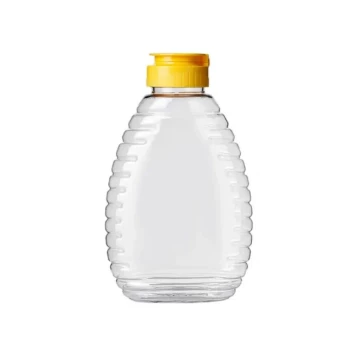
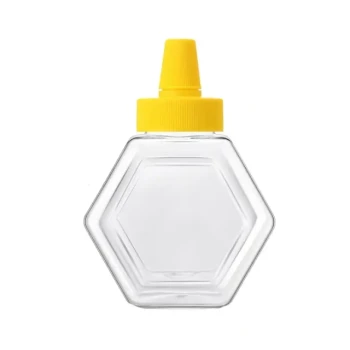
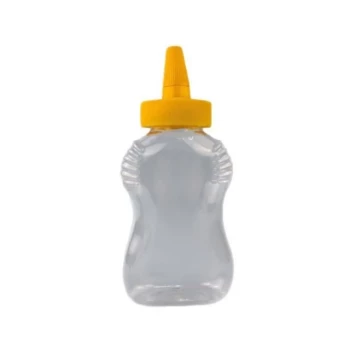
Standardization enables professional branding. High-quality plastic containers allow for custom designs, such as hives or bee shapes, which distinguish the product on the shelf.
High-transparency options further build trust by allowing consumers to visually inspect the honey's color and crystallization state. This visual confirmation is a key factor in a customer's purchasing decision.
Logistics and Operational Efficiency
Durability in Transport
Food-grade plastics offer excellent mechanical strength while remaining lightweight. This combination makes them superior to glass for bulk quantities and large-scale logistics.
They protect the product from leaks and breakage during transit. Additionally, their lighter weight contributes to lower carbon emissions and reduced shipping costs compared to heavier alternatives.
Understanding the Trade-offs
Plastic vs. Glass Perception
While standardized plastic is essential for bulk distribution and mainstream retail, it is important to recognize consumer perception regarding high-value items.
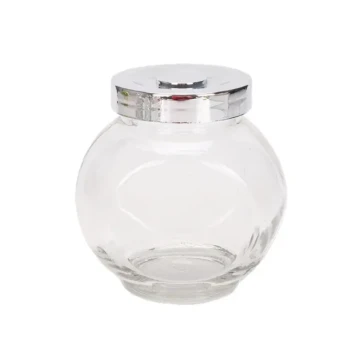
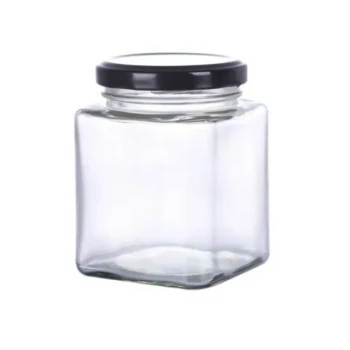
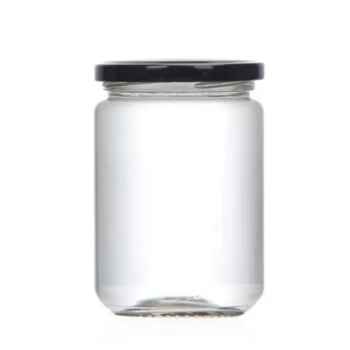
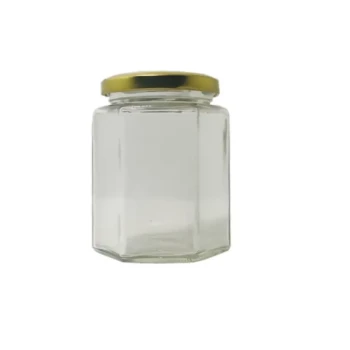
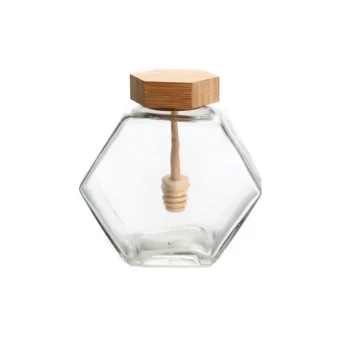
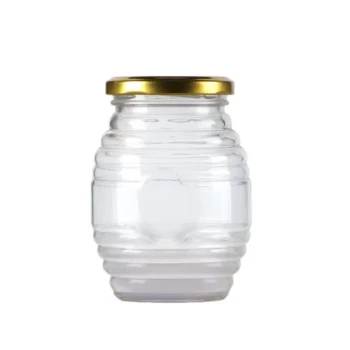
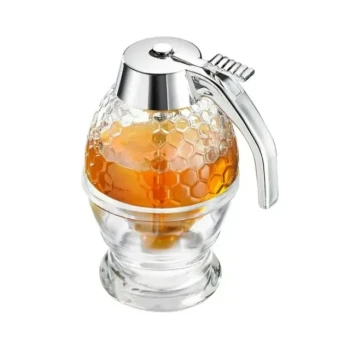
For premium, medicinal-grade products (like stingless bee honey), small-capacity glass bottles are sometimes preferred. Glass can convey a higher "premium" status and offers absolute impermeability, though it introduces significant weight and fragility risks.
Making the Right Choice for Your Goal
To maximize your product's potential, choose the packaging material that aligns with your specific distribution channel.
- If your primary focus is Mass Retail Distribution: Prioritize standardized 2.5-liter or similar food-grade plastic buckets to meet shelf requirements and ensure durability during logistics.
- If your primary focus is Boutique or Medicinal Sales: Consider small-capacity glass jars to maximize the perceived value and premium nature of the product, despite the logistical challenges.
Professional packaging is the first promise of quality you make to your customer before they ever taste the product.
Summary Table:
| Feature | Standardized Food-Grade Plastic | Recycled/Ad-hoc Containers |
|---|---|---|
| Material Safety | Certified FDA/Hygienic (HDPE/PP) | High risk of chemical leaching |
| Seal Integrity | Airtight; prevents fermentation | Poor; prone to moisture absorption |
| Durability | High impact resistance; lightweight | Fragile or inconsistent strength |
| Market Access | Ready for retail shelves & logistics | Generally rejected by supermarkets |
| Branding | Professional & customizable | Low consumer trust |
Scale Your Honey Business with HONESTBEE
Transitioning from local hobbyist production to commercial distribution requires professional equipment you can trust. HONESTBEE empowers commercial apiaries and distributors with high-performance wholesale solutions. From honey-filling machines and hive-making equipment to the full spectrum of beekeeping tools and food-grade consumables, we provide the industrial-grade hardware needed to secure your place in the global market.
Ready to elevate your honey brand's efficiency and shelf presence? Contact HONESTBEE today to access our comprehensive catalog of beekeeping machinery and essential apiary supplies!
References
- Shakespear Hamauswa, Mr. Mpheteli J. Malunga. Promoting micro, small and medium enterprises in beekeeping in Zambias Central Province: Making a case for the adoption of business incubation strategy. DOI: 10.5897/ajar2017.12449
This article is also based on technical information from HonestBee Knowledge Base .
Related Products
- Food Grade Plastic Honey Bucket Pail for Beekeeping
- Squeezable No-Drip Beehive-Shaped Honey Jars with Flip-Top Cap
- Classic Beehive Honey Bottle Jar with Squeeze Dispenser Lid
- Classic Drum Shaped Glass Honey Jar with Airtight Lid
- Modern Square Glass Honey Jar with Twist Off Lid
People Also Ask
- What key operational precautions should be taken when using honey buckets and extractors fitted with bottom drain taps?
- What functions do food-grade honey buckets perform? Safeguard Your Harvest and Optimize Apiary Logistics
- Why are food-grade plastic buckets preferred for honey? Protect Quality with Modern Honey Collection Tools
- What is the significance of food-grade plastic honey collection buckets? Boost Quality in Forest Honey Logistics
- What is a honey pail? The Essential Container for Protecting Your Honey's Value