Trimming vegetation around your beehive is a fundamental defensive strategy against ant infestations. When grass or plant stems grow high enough to touch the hive bodies or stands, they function as natural "bridges." These physical connections allow ants to bypass any ground-level defenses you have installed, granting them direct access to the colony.
By failing to trim vegetation, you inadvertently create vertical highways that allow pests to circumvent hive stands and oil moats, rendering your primary defenses useless.
The Mechanics of the "Green Bridge"
To protect a hive effectively, you must understand how pests exploit the environment. Vegetation management is not just about aesthetics; it is about breaking the physical path of invasion.
Bypassing Ground Defenses
Most beekeepers utilize stands, legs, or oil moats to isolate the hive from the ground.
These defenses rely on the principle that pests must travel up the legs of the stand to reach the bees.
The Vegetation Vulnerability
Long blades of grass or tall weeds negate these isolation measures completely.
When a stem touches the hive, ants use it to walk over your moats or barriers.
They climb the vegetation and step directly onto the hive box, infiltrating the colony without ever encountering your ground defenses.
Broader Hive Maintenance and Hygiene
While vegetation control primarily targets ants, it is part of a larger ecosystem of hive maintenance. Keeping the area clear facilitates the other critical tasks required for a healthy colony.
Deterring Secondary Pests
Regular maintenance involves more than just cutting grass; it requires cleaning the hive floor and surrounding area.
Removing dead bees and debris reduces the likelihood of infections and deters scavengers.
A clean environment makes the hive less attractive to opportunistic pests such as wax moths and small hive beetles.
Structural Monitoring
Clearing vegetation provides you with better visibility of the hive's external structure.
Frequent visual inspections allow for the early detection of structural issues, such as instability or rotting wood.
It also helps you spot honey leakage quickly, which can trigger robbing behavior from other bees or pests.
Common Pitfalls to Avoid
While maintenance is necessary, how you perform it matters. Improper technique can cause more stress to the colony than the pests themselves.
Vibration and Noise
Avoid using heavy machinery or loud string trimmers directly against the hive stand.
Excessive vibration can agitate the colony, potentially causing the bees to ball the queen or become aggressive.
Chemical Contamination
Never use herbicides or chemical weed killers to manage the vegetation around the hive.
These chemicals can be toxic to the bees and may contaminate the honey or wax.
Making the Right Choice for Your Goal
Effective pest management requires a routine that addresses both immediate threats and long-term hygiene.
- If your primary focus is Ant Prevention: Keep all grass and weeds trimmed well below the height of the hive stand to ensure no "bridges" bypass your oil moats or grease barriers.
- If your primary focus is General Colony Health: Combine vegetation control with regular internal inspections to remove debris and dead bees, reducing the risk of wax moth or beetle infestations.
A defensive perimeter is only effective if you maintain the gap between the ground and the hive.
Summary Table:
| Pest Management Factor | Impact of High Vegetation | Benefit of Trimmed Vegetation |
|---|---|---|
| Ant Access | Creates 'bridges' over ground defenses | Forces pests through oil moats or barriers |
| Secondary Pests | Attracts wax moths and hive beetles | Reduces habitat for scavengers and debris |
| Structural Health | Conceals rot and instability | Allows for early detection of hive damage |
| Maintenance Ease | Obstructs inspections and cleaning | Facilitates hygiene and hive floor clearance |
| Colony Stress | Encourages robbing and infestation | Promotes a secure and stable environment |
Secure Your Apiary with HONESTBEE Professional Solutions
Protecting your honey production starts with the right equipment and a clean environment. At HONESTBEE, we specialize in supporting commercial apiaries and distributors by providing the industry's most reliable beekeeping tools and machinery.
Whether you need high-precision hive-making and honey-filling machines to scale your operations, or essential beekeeping consumables to maintain colony health, we offer a comprehensive wholesale portfolio designed for professional success. From hardware to honey-themed cultural merchandise, our products ensure your business stays ahead of the curve.
Ready to upgrade your commercial beekeeping operations? Contact HONESTBEE Today to discuss our wholesale offerings and how we can add value to your supply chain!
Related Products
- HONESTBEE Professional Long Handled Hive Tool with Precision Cutting Blade
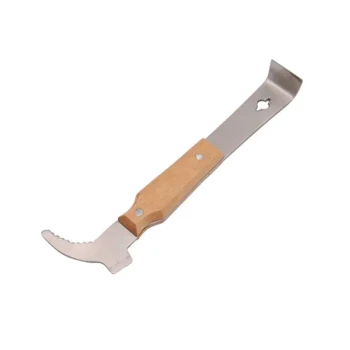
- Stainless Steel J Hook Hive Tool for Beekeeping
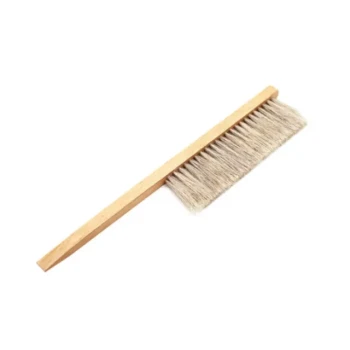
- Wooden Bee Brush with Double-Row Horsehair Bristles
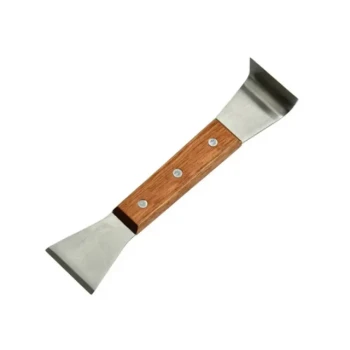
- HONESTBEE Professional Mini J-Hook Hive Tool for Beekeeping
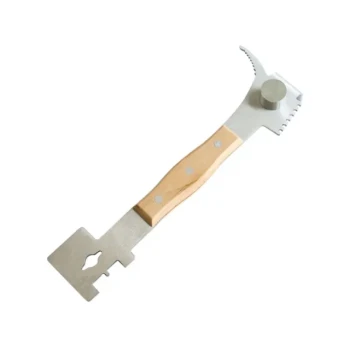
- HONESTBEE Professional Multi-Functional Hive Tool with Ergonomic Wood Handle
People Also Ask
- Why are professional hive tools considered indispensable? Master Beekeeping Maintenance with Precision Leverage
- What is the role of professional hive tools in routine apiary maintenance? Expert Tips for Hive Health and Longevity
- What is a bee hive tool? Discover Why It’s the Most Essential Hand Tool for Every Beekeeper
- How do hive tools and queen rearing equipment facilitate the bee colony splitting process? Restore Your Apiary Faster
- Why are professional hive tools & observation equipment necessary for queen rearing evaluation? Master Your Quality