Data integrity begins with sample preservation. You must store honey samples in a constant temperature environment because the specific compounds responsible for antioxidant activity are chemically unstable. Exposure to temperature fluctuations accelerates the breakdown of these bioactive ingredients, rendering subsequent experiments inaccurate.
Antioxidant substances in honey—specifically phenolic compounds, enzymes, and ascorbic acid—are highly sensitive to environmental changes. Storing samples at a stable temperature (typically 24°C ± 2°C) prevents premature degradation, ensuring your experimental data accurately reflects the honey's true bioactive profile.
The Chemistry of Instability
Vulnerability of Bioactive Components
Honey is a complex chemical matrix containing volatile active ingredients. Key antioxidant drivers, such as phenolic compounds and ascorbic acid, are structurally fragile.
Enzyme Sensitivity
Enzymes present in the honey are proteins that catalyze antioxidant reactions. These enzymes can be denatured or deactivated if the thermal environment is inconsistent, leading to a false reduction in measured activity.
The Impact of Environmental Variables
Minimizing Degradation
Temperature fluctuations act as a catalyst for chemical degradation. By locking the environment to a constant state, you slow the rate at which these beneficial compounds break down.
Eliminating Experimental Variables
If samples are exposed to varying temperatures, the differences in antioxidant activity might be due to storage conditions rather than the honey itself. A constant environment ensures that the test results reflect the honey's original quality, not environmental interference.
The 24°C Standard
To maintain this stability, samples are often kept at a controlled temperature of 24°C ± 2°C. This specific range is chosen to emulate a stable, ambient environment that preserves the sample's integrity prior to testing.
Common Pitfalls in Sample Management
The Risk of False Negatives
Failing to maintain thermal stability often leads to "false negatives" in research. A high-quality honey may appear to have low antioxidant potential simply because its active components degraded during storage.
Overlooking Cumulative Damage
Brief spikes in temperature can cause irreversible chemical changes. It is a mistake to assume that returning a sample to the correct temperature after a fluctuation restores its original chemical profile; the degradation is permanent.
Ensuring Data Integrity in Honey Analysis
To ensure your antioxidant activity experiments yield valid, reproducible results, you must standardize your storage protocols.
- If your primary focus is comparative analysis: Ensure every sample in the dataset is stored at the exact same constant temperature (e.g., 24°C) to eliminate environmental bias.
- If your primary focus is absolute quantification: minimize the time between sample collection and testing while strictly maintaining the ± 2°C tolerance to prevent bioactive loss.
Rigorous temperature control is not just a storage requirement; it is the first step in accurate chemical analysis.
Summary Table:
| Factor | Impact on Honey Samples | Importance for Testing |
|---|---|---|
| Bioactive Compounds | Phenolics & Ascorbic Acid are chemically unstable | Ensures accurate bioactive profiling |
| Enzyme Activity | Denaturation occurs with thermal fluctuations | Prevents false low-activity results |
| Temperature Range | 24°C ± 2°C is the standard for stability | Minimizes degradation rates |
| Data Reliability | Eliminates storage as an experimental variable | Guarantees reproducible & valid data |
Maximize Your Apiary's Potential with HONESTBEE
Precise analysis is the cornerstone of premium honey production. At HONESTBEE, we understand the technical demands of commercial beekeeping. Whether you are a large-scale commercial apiary or an industry distributor, we provide the full spectrum of professional tools needed to maintain quality from hive to laboratory.
Our Value to You:
- Comprehensive Equipment: From specialized hive-making machinery to precision honey-filling systems.
- Essential Consumables: A wide array of high-quality industry consumables to keep your operations running smoothly.
- Cultural Merchandise: Honey-themed products to help you diversify your brand's market appeal.
Don't let environmental variables compromise your product's value. Partner with a supplier that understands the science behind the honey. Contact HONESTBEE today to discuss our wholesale offerings and how we can support your business growth.
References
- Maisa M. Al-Qudah, Thana’ Y. Aljaraedah. The Antioxidant Capacity of Monofloral Eucalyptus Flower Honey and Weed Honey Obtained from Jerash and Al-Zarqa Jordanian Governorates. DOI: 10.26538/tjnpr/v7i5.15
This article is also based on technical information from HonestBee Knowledge Base .
Related Products
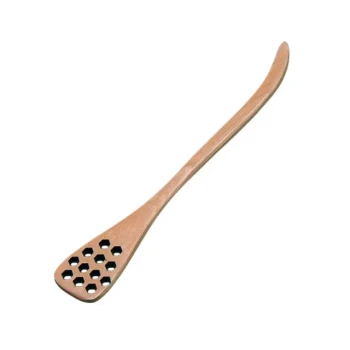
- Modern Honeycomb Pattern Wooden Honey Dipper for Stirring and Drizzling
- Economy Small Scale Honey Dryer Dehumidifier Thickening Machine
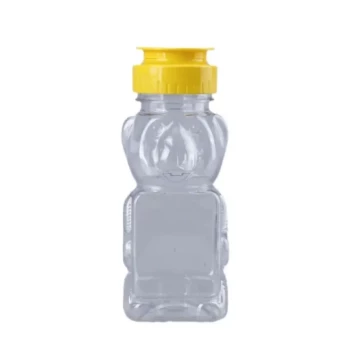
- Classic Honey Bear Jars with Flip Top Dispensing Cap for Liquid Sweeteners
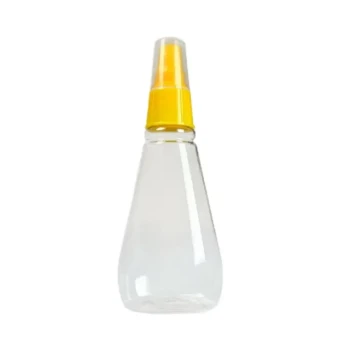
- Inverted Squeezable Honey Jar with No Drip Flip Top Cap for Easy Pouring
- Honey Concentrating Vacuum Heating Thickening Machine Dehumidifier for Honey
People Also Ask
- What is the proper method for cleaning a honey dipper? Maintain Pure Flavor with These Easy Pro Tips
- What is a honey dipper and what is it used for? A Guide to Mess-Free Drizzling
- What is a honey dipper? Master the Art of the Perfect Drizzle with This Essential Tool
- What is a honey taking spoon called? Discover the Tool for a Perfect, Mess-Free Drizzle
- How do you clean and store a honey dipper? Simple Steps for Long-Lasting Performance