To ensure the chemical stability of royal jelly, you must treat it as a biologically active substance that begins degrading the moment it is harvested. Light-blocking glass bottles are required to filter out ultraviolet rays that trigger photo-oxidation, while ultra-low temperature freezing (specifically around -18°C) is necessary to inhibit enzymatic reactions that destroy the product's nutritional potency.
Royal jelly is composed of fragile proteins and lipids that are highly reactive to their environment. Utilizing dark glass and industrial deep-freezing is the only reliable method to arrest the decomposition of its physicochemical indicators and antioxidant capacity.
The Critical Role of Light Mitigation
Blocking Ultraviolet Radiation
Royal jelly is inherently photosensitive. Exposure to light, particularly ultraviolet (UV) rays, initiates rapid chemical changes within the substance.
Using light-blocking glass creates an impermeable barrier against these rays. This is the first line of defense in preserving the jelly's delicate molecular structure.
Preventing Photo-Oxidation
When light penetrates a standard container, it triggers photo-oxidation. This reaction decomposes the active components found in royal jelly.
By eliminating light exposure, you prevent the breakdown of lipids and proteins. This ensures the antioxidant capacity of the jelly remains intact from the point of harvest.
The Necessity of Ultra-Low Temperature Freezing
Inhibiting Enzymatic Reactions
Royal jelly contains enzymes that remain active at standard room or refrigeration temperatures. These enzymes will naturally break down the jelly's nutrients over time.
Industrial-grade freezing at -18°C significantly inhibits this enzymatic activity. This "pauses" the biological clock of the substance, stabilizing its quality for long-term storage.
Preserving Physicochemical Stability
Temperature fluctuations are the primary cause of spoilage and potency loss. The bioactive substances in royal jelly are prone to becoming inactivated if the temperature rises.
A consistent ultra-low temperature environment prevents chemical degradation. This maintains the stability of the jelly's physicochemical indicators, ensuring the final product delivers the expected biological benefits.
Understanding Storage Pitfalls
The Limits of Standard Refrigeration
While standard refrigeration (around 5°C) can delay viscosity changes, it is often insufficient for long-term primary storage.
Higher temperatures allow enzymatic activity to continue at a slow rate. For maximum potency retention, deep freezing is superior to simple cooling.
The Impact of Oxygen Exposure
Temperature and light are not the only threats; oxidation from air exposure also degrades quality.
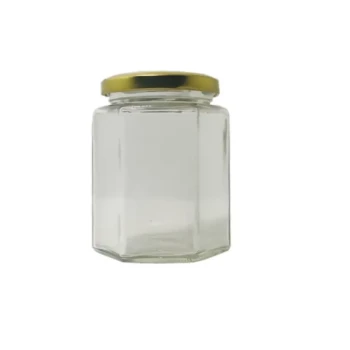
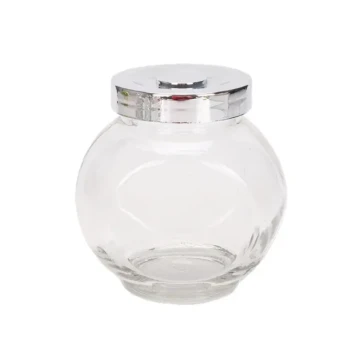
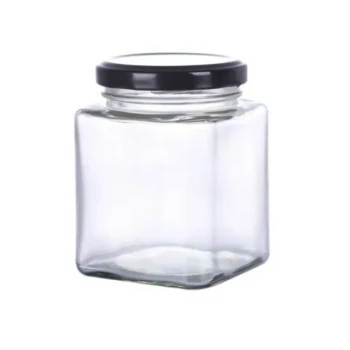
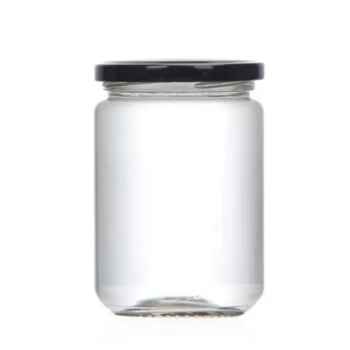
Using small-capacity glass bottles reduces the surface area exposed to oxygen. This works in tandem with light-blocking properties to minimize the risk of spoilage and oxidation.
Making the Right Choice for Your Goal
When designing a storage protocol for royal jelly, align your equipment with your quality objectives:
- If your primary focus is long-term potency: Prioritize industrial freezers capable of maintaining -18°C to completely inhibit enzymatic degradation.
- If your primary focus is preventing chemical breakdown: Ensure all primary containers are made of dark, light-blocking glass to eliminate photo-oxidation risks.
- If your primary focus is preventing physical spoilage: Utilize small, standardized containers to minimize the oxygen headspace and reduce contamination risks during sampling.
To deliver a premium product, you must control the environment to virtually stop biological time through darkness and deep freezing.
Summary Table:
| Storage Factor | Protection Method | Primary Benefit |
|---|---|---|
| UV Light | Light-blocking (Amber) Glass | Prevents photo-oxidation and molecular breakdown |
| Temperature | Ultra-low Freezing (-18°C) | Inhibits enzymatic activity and preserves proteins |
| Oxygen | Small-capacity Containers | Minimizes surface oxidation and spoilage risk |
| Consistency | Industrial Deep-freezers | Maintains physicochemical stability and potency |
Elevate Your Royal Jelly Quality with HONESTBEE
Preserving the delicate bio-activity of royal jelly requires professional-grade equipment and specialized knowledge. HONESTBEE empowers commercial apiaries and distributors with the tools needed to maintain the highest industry standards. From high-precision honey-filling machines to industrial-grade storage solutions, we provide a comprehensive wholesale portfolio designed for your success.
Our value to your business includes:
- Advanced Machinery: Reliable hive-making and honey-processing equipment.
- Essential Consumables: A full spectrum of specialized beekeeping tools and hardware.
- Brand Growth: Unique honey-themed cultural merchandise to differentiate your brand.
Don't let environmental factors compromise your product's value. Contact us today to optimize your production line!
References
- Maria Alves. Avaliação do potencial antioxidante da geleia real ao longo do tempo de armazenamento. DOI: 10.5007/2175-7925.2012v25n3p257
This article is also based on technical information from HonestBee Knowledge Base .
Related Products
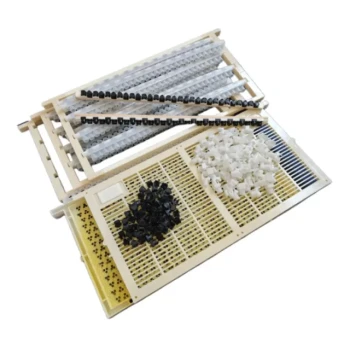
- No Grafting Queen Rearing Kit: System for Royal Jelly Production and Queen Rearing
- Plastic Chinese Queen Grafting Tool for Bee Queen Rearing
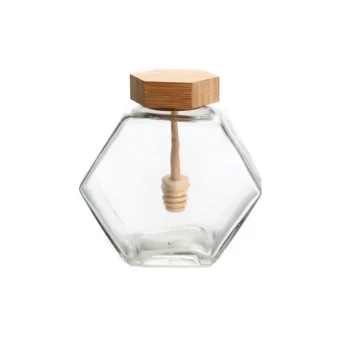
- Hexagonal Glass Honey Jar with Wooden Lid Integrated Dipper Elegant Functional Storage
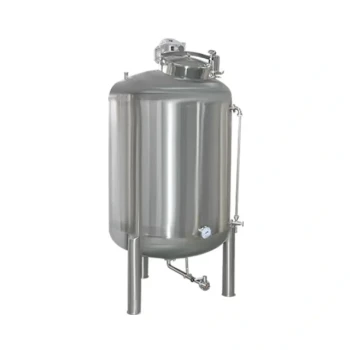
- Professional Honey Storage Tank with Agitation System
- Stainless Steel Honey Storage and Settling Tank with Double Strainer
People Also Ask
- What is the primary function of a queen rearing kit? Eliminate Manual Grafting for Superior Bee Breeding
- How do specialized queen rearing kits and queen management tools improve the success rate of bee colony expansion?
- What are some alternative methods to grafting for queen cell production? Discover Graft-Free Queen Rearing Systems
- Are queen rearing systems generally suitable for all honeybee species? Master Efficient Breeding Methods
- Are queen rearing systems suitable for all beekeepers? Modern Tools for Every Experience Level