Reliable disinfection in beekeeping is not solely about the chemical potency of the agent; it is equally dependent on the physical properties of the hive material. Testing on wood and expanded polystyrene is mandatory because these materials present unique physical barriers—such as porosity and surface chemistry—that can shelter pathogens from contact with the disinfectant, rendering standard laboratory tests insufficient.
The Core Insight Generic lab tests often occur on smooth, inert surfaces like glass, failing to account for the "hiding places" found in real hives. You must test on the actual material to determine if a disinfectant can penetrate deep wood grain or effectively coat textured polystyrene to guarantee sterilization.
Why Material Composition Matters
The Porosity of Wood
Wood is naturally highly porous and prone to absorbing liquids. In an apiary setting, this physical structure allows microscopic spores to migrate deep within the grain.
The "Hiding" Phenomenon
Because pathogens can embed themselves inside the wood fibers, they effectively avoid contact with surface-level treatments. If a disinfectant cannot penetrate the wood as deeply as the spore has traveled, the hive remains infected despite treatment.
The Physicochemical Nature of Polystyrene
Expanded polystyrene (EPS) is not merely a smooth plastic; it possesses specific surface physicochemical characteristics. These properties dictate how liquids adhere to or repel from the surface, creating a complex interface that requires specialized testing to ensure adequate coverage.
Key Metrics for Effective Sterilization
Simulating Real-World Conditions
Testing on actual hive components is the only way to simulate the complex interfaces found in an apiary. This moves the data from theoretical efficacy to practical reliability.
Determining Absorption and Retention
Different materials exhibit vastly different absorption rates and retention times. Wood may soak up a solution quickly, while EPS might allow it to run off, changing how long the active ingredient stays in contact with the pathogen.
Defining Minimum Effective Concentration
By conducting classified experiments on these specific materials, researchers can establish the minimum effective concentration required for that specific surface. A concentration that sterilizes a non-porous feeder may be far too weak to sterilize a wooden brood box.
Common Pitfalls to Avoid
The Trap of Generic Effectiveness
A common error is assuming that if a disinfectant kills a pathogen in a test tube, it will kill it on a hive frame. Without material-specific testing, you risk a false sense of security, believing a hive is clean when pathogens are simply dormant within the material.
Incompatible Contact Times
Disinfectants require a specific "wet time" to kill spores. Porous materials may dry out differently than dense foams, altering the required contact time. Relying on a single protocol for all hive types can lead to incomplete disinfection.
Making the Right Choice for Your Apiary
When selecting disinfection protocols, you must match the method to the material to ensure biosecurity.
- If your primary focus is Wood Hives: Prioritize disinfectants with high penetration capabilities or protocols that involve prolonged soaking to reach deep-seated spores.
- If your primary focus is Polystyrene (EPS): Focus on surface contact time and ensure the chemical agent does not physically degrade the specific surface chemistry of the foam.
Effective biosecurity is not just about what chemical you use, but how deep it reaches.
Summary Table:
| Material Factor | Wood Hives | Expanded Polystyrene (EPS) |
|---|---|---|
| Physical Structure | Highly porous & fibrous grain | Textured surface with specific chemistry |
| Pathogen Risk | Spores migrate deep into fibers | Pathogens hide in surface interfaces |
| Disinfectant Challenge | Needs deep penetration | Requires specific adhesion/wet time |
| Key Metric | Absorption & retention rates | Surface physicochemical compatibility |
Secure Your Apiary’s Health with HONESTBEE
Protecting your colony starts with the right equipment and the right biosecurity protocols. At HONESTBEE, we understand that commercial apiaries and distributors require more than just tools—they need reliability. We provide a comprehensive wholesale range, from specialized hive-making and honey-filling machinery to high-quality beekeeping tools and essential consumables.
Whether you are managing traditional wooden hives or modern EPS systems, our team is dedicated to supplying the hardware and expertise you need to maintain a sterile, productive environment. Don't leave your biosecurity to chance.
Contact HONESTBEE today to explore our wholesale solutions and elevate your beekeeping operations!
References
- Joseph Kiriamburi, Anna Nilsson. Short communication: Efficacy of two commercial disinfectants on<i>Paenibacillus larvae</i>spores. DOI: 10.1101/2021.03.16.435711
This article is also based on technical information from HonestBee Knowledge Base .
Related Products
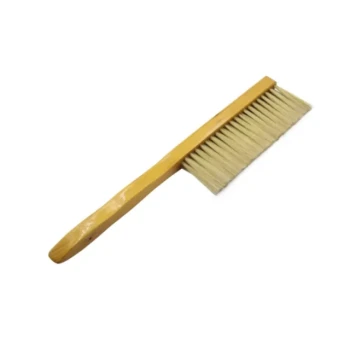
- Wooden Bee Brush with Triple Row Artificial Fiber for Beekeeping
- Durable Plastic Hive Number Set for Beekeeping
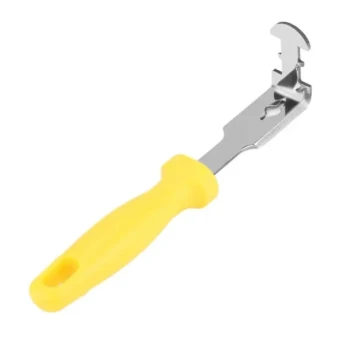
- Precision Stainless Steel Frame Cleaner for Hive Grooves and Corners
- Professional Grade Foldable Beehive Handles
- Yellow Plastic Bucket Pail Perch for Beekeeping
People Also Ask
- What is the specific function of a bee brush? Ensure Pure Harvests and Colony Welfare During Honey Extraction
- What are the key characteristics of the bristles on a bee brush? Master Gentle and Efficient Bee Removal
- What is the purpose of using a bee brush during the inspection of hive components? Safe & Precise Hive Management
- What problem does a bee brush solve? Protect Your Colony with Gentle Precision Tools
- Why is a bee brush necessary when extracting honeybee hive frames that contain larvae? Protect Your Brood and Colony