Precise control over temperature and immersion time is the only way to guarantee the total elimination of resilient pathogens like American Foulbrood (AFB) spores. By maintaining a working solution at 45-50°C for exactly 60 minutes, the disinfectant gains the necessary permeability to penetrate protective layers of wax and honey. This specific window ensures a 100% surface decontamination rate, preventing tools from becoming mechanical vectors for cross-hive infection.
Core Takeaway: Strict adherence to immersion protocols transforms disinfection from a superficial rinse into a deep biological sterilization. For professional apiaries, this precision is the difference between a healthy season and a catastrophic disease outbreak that could compromise entire equipment inventories.
Overcoming Physical Barriers to Sterilization
The Challenge of Beeswax and Honey Enclosure
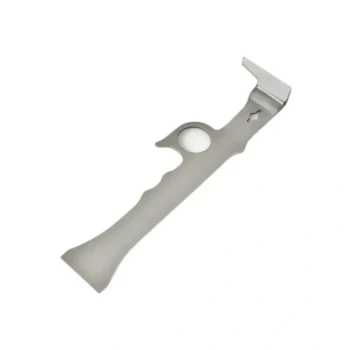
Beekeeping tools like hive tools and brushes are constantly coated in beeswax, propolis, and honey. These substances act as physical shields, encapsulating bacterial spores and protecting them from standard chemical contact.
Strict temperature control is required to soften or melt these residues. At the recommended 45-50°C range, the solution’s permeability increases, allowing the disinfectant to reach the metal or wood surface beneath the organic debris.
Accelerating Chemical Reaction Rates
Chemical disinfectants do not work instantaneously; they require specific thermal energy to activate their oxidizing or antimicrobial properties. Maintaining the temperature ensures the chemical reaction rate remains high enough to neutralize pathogens within the allotted time.
If the temperature drops below the target threshold, the disinfectant may fail to breach the spore wall. This results in an incomplete kill, leaving the most resilient pathogens active and ready to infect the next colony.
Eliminating Resilient Pathogens and AFB Spores
Managing American Foulbrood (AFB) Persistence
The spores of Paenibacillus larvae (AFB) are notoriously resistant to environmental stress and standard cleaning. These spores can remain viable for decades and often require specialized, high-temperature treatments to be fully eradicated.
By strictly controlling the immersion contact time, beekeepers ensure that even the most persistent spores are exposed to the disinfectant long enough for protein denaturation to occur. This is a critical biosecurity step for large-scale commercial apiary management where tool rotation is frequent.
Preventing Mechanical Vector Transmission
Tools that move between different hives are the primary mechanical vectors for disease. Without deep disinfection, a single hive tool can spread infection across hundreds of colonies in a single day.
A standardized 60-minute immersion protocol provides a repeatable safety margin. This ensures that every tool in a full-spectrum product portfolio meets the same rigorous hygiene standards before reuse.
Strategic Value for Distributors and Resellers
Ensuring Product Longevity and Reliability
For wholesalers and distributors, providing equipment that supports precision temperature control is a key value proposition. High-quality immersion tanks with thermostatic controls protect the user’s investment by ensuring tools are cleaned without being damaged by uncontrolled heat.
Meeting Professional Biosecurity Standards
Professional beekeeping operations demand rapid response times and efficient fulfillment of high-standard supplies. By offering deep-disinfection solutions, resellers position themselves as experts who understand the deep thermal penetration required for commercial biosecurity.
Streamlining Large-Scale Operations
Distributors who supply "one-stop" solutions help apiaries maintain a contamination-free state. Efficient order fulfillment of specialized disinfectants and heating equipment allows commercial beekeepers to maintain their rotation schedules without risking an outbreak.
Understanding the Trade-offs and Pitfalls
Thermal Damage vs. Disinfection Efficacy
While high heat is effective, temperatures exceeding 60-70°C can damage certain tool components, such as plastic brush bristles or tempered steel. Finding the "sweet spot" of 45-50°C balances effective wax penetration with the preservation of tool integrity.
The Risk of Short-Cycle Failure
The most common pitfall in beekeeping hygiene is reducing contact time to save labor. Shortening the 60-minute window often leaves the interior of wax clusters untreated, leading to a false sense of security while pathogens remain active.
How to Apply These Standards to Your Inventory
Reliable disinfection is a cornerstone of professional beekeeping. To ensure the highest level of biosecurity and equipment performance, consider these recommendations:
- If your primary focus is Organic Compliance: Ensure all disinfection protocols utilize organic-standard chemicals that leave no persistent residues on metal or wood surfaces.
- If your primary focus is High-Volume Commercial Efficiency: Invest in professional thermostatic immersion equipment that maintains a constant 45-50°C to ensure 100% decontamination across thousands of tools.
- If your primary focus is Disease Eradication (AFB): Prioritize extended contact times and verify that the disinfectant concentration remains stable throughout the entire 60-minute immersion period.
Mastering the variables of temperature and time is the definitive way to secure apiary health and ensure the long-term success of beekeeping operations.
Summary Table:
| Parameter | Recommended Value | Strategic Purpose |
|---|---|---|
| Working Temperature | 45-50°C (113-122°F) | Softens wax/propolis to allow deep chemical penetration |
| Immersion Time | 60 Minutes | Ensures 100% decontamination of resilient AFB spores |
| Key Target | AFB Spores (P. larvae) | Eradicates pathogens that cause catastrophic hive loss |
| Success Metric | 100% Sterilization | Prevents tools from acting as mechanical disease vectors |
Partner with HONESTBEE for Professional-Grade Beekeeping Solutions
Are you a distributor, wholesaler, or commercial apiary looking to elevate your biosecurity standards? HONESTBEE is your premier one-stop partner, offering a comprehensive full-spectrum product portfolio tailored for high-volume professional needs. From specialized hive-making and honey-filling machinery to high-quality tools and essential industry consumables, we provide the reliable equipment you need to ensure a disease-free season.
Why Global Distributors Choose HONESTBEE:
- Comprehensive One-Stop Sourcing: Access everything from specialized hardware to honey-themed cultural merchandise.
- Premium Trading Services: Benefit from high profit margins, OEM/ODM support, and full certification compliance.
- Unmatched Efficiency: Experience ultra-fast delivery, rapid response times, and reliable order fulfillment.
- Deep Industry Expertise: Our team provides professional guidance to help you navigate complex commercial beekeeping challenges.
Ready to secure your supply chain with a partner that understands the precision of commercial beekeeping?
Contact HONESTBEE Today to Explore Wholesale Opportunities
References
- V. Kovalenko, V. Sokoliuk. The problem and control of mycotoxins in beekeeping. DOI: 10.31073/vet_biotech47-07
This article is also based on technical information from HonestBee Knowledge Base .
Related Products
- Wooden Bee Brush with Triple Row Artificial Fiber for Beekeeping
- HONESTBEE Professional Mini J-Hook Hive Tool for Beekeeping
- Stainless Steel J Hook Hive Tool for Beekeeping
- Classic Wooden Bee Brush with Double-Row Boar Bristles
- HONESTBEE 15-in-1 Beekeeper Multi-Tool with Hammer and Pliers for Beekeeping
People Also Ask
- What is the specific function of a bee brush? Ensure Pure Harvests and Colony Welfare During Honey Extraction
- What are the key characteristics of the bristles on a bee brush? Master Gentle and Efficient Bee Removal
- What is the purpose of using a bee brush during the inspection of hive components? Safe & Precise Hive Management
- What problem does a bee brush solve? Protect Your Colony with Gentle Precision Tools
- Why is a bee brush necessary when extracting honeybee hive frames that contain larvae? Protect Your Brood and Colony