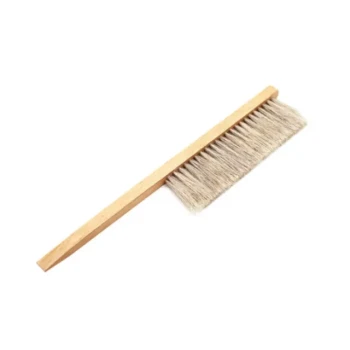
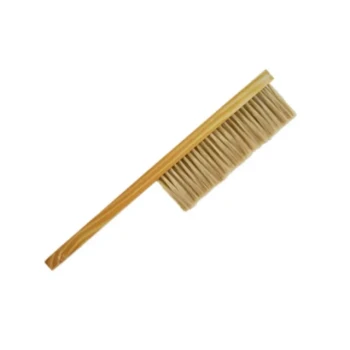
The correct technique requires brushing in specific directions relative to the honeycomb's structure. To ensure bee safety and preserve the comb, you must either turn the frame upside down before brushing or brush the bees in an upward motion. Brushing downward on an upright frame is incorrect and will result in injury to the bees and damage to the comb.
Honeycomb cells are built with a natural upward angle to contain nectar. Working "against" this angle by brushing downward jams bee legs into the cells; working "with" the angle by brushing upward (or inverting the frame) allows bees to roll gently off the surface.
The Mechanics of Safe Removal
To use a bee brush effectively, you must align your movements with the geometry of the wax cells.
The Inversion Method
The most recommended technique is to physically turn the frame upside down.
Once the frame is inverted, the natural upward angle of the cells now points downward.
This allows you to brush downwards (relative to gravity), which is ergonomically easier, while still moving "with" the grain of the comb structure.
The Upward Sweep
If you keep the frame in its standard upright position, you must brush from the bottom to the top.
Use short, gentle flicking motions to lift the bees up and off the comb.
This prevents the bristles from digging into the open cells and avoids crushing the bees against the cell walls.
Why Direction Matters
Understanding the physical interaction between the brush, the bee, and the wax is vital for colony health.
Preventing Leg Entrapment
When you brush downward on an upright frame, you are brushing against the natural angle of the cells.
This motion forces the bees' legs into the cell openings, where they can become jammed or severed.
By brushing upwards (or inverting the frame), you ensure the bees are rolled over the closed "backs" of the cell angles rather than pushed into the open pockets.
Protecting Uncapped Cells
Uncapped cells containing nectar are fragile.
Incorrect brushing angles can cause soft bristles to gouge the wax or contaminate the brush with honey.
Proper directional brushing glides over the cell edges, preserving the integrity of the honeycomb.
Common Pitfalls to Avoid
While the bee brush is designed with soft bristles for safety, incorrect usage negates this design feature.
The "Down-Sweeping" Error
The most common mistake is brushing downward while holding the frame upright, often done out of habit or convenience.
This is the primary cause of bee loss during extraction, as it physically grinds the bees into the abrasive edges of the comb.
Aggressive Force
Even with the correct angle, excessive pressure can damage the comb.
The brush is a tool for persuasion, not force; if bees are not moving, verify your angle rather than increasing your pressure.
Best Practices for Hive Management
When handling frames, choose the approach that best fits your immediate environment.
- If your primary focus is harvesting honey: Invert the frame completely to ensure zero debris falls into open nectar cells while clearing bees quickly.
- If your primary focus is a quick inspection: Use the upward sweep technique on an upright frame to gently clear a small viewing area without manipulating the heavy frame excessively.
Aligning your technique with the natural engineering of the honeycomb ensures a calm colony and an intact harvest.
Summary Table:
| Method | Frame Orientation | Brushing Direction | Primary Benefit |
|---|---|---|---|
| Inversion Method | Upside Down | Downward (with gravity) | Ergonomic & safest for nectar cells |
| Upward Sweep | Standard Upright | Upward (bottom to top) | Ideal for quick hive inspections |
| Incorrect Method | Standard Upright | Downward | Avoid: Causes bee injury & comb damage |
Elevate Your Beekeeping Efficiency with HONESTBEE
Maximize your colony's health and your apiary's productivity with professional-grade tools. HONESTBEE specializes in serving commercial apiaries and distributors with a comprehensive range of premium wholesale solutions.
From high-performance hive-making and honey-filling machinery to essential consumables and specialized beekeeping hardware, we provide everything you need to scale your operations. Our portfolio even includes honey-themed cultural merchandise to help you grow your brand.
Ready to upgrade your equipment? Contact us today to discuss our wholesale offerings and discover how our expertise can benefit your business.
Related Products
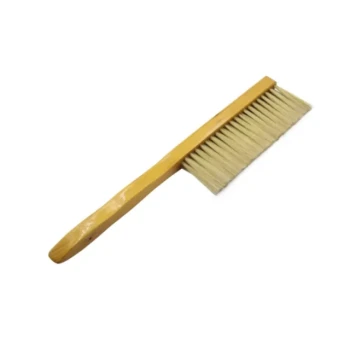
- Wooden Bee Brush with Triple Row Artificial Fiber for Beekeeping
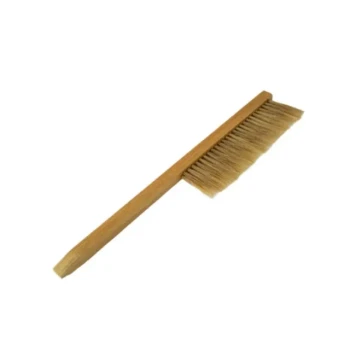
- Classic Wooden Bee Brush with Double-Row Boar Bristles
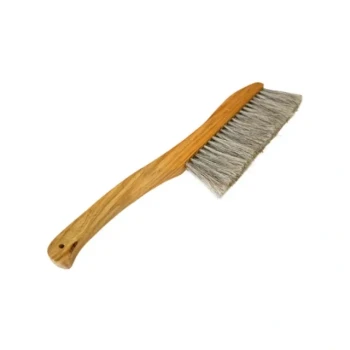
- Premium Triple-Row Horsehair Bee Brush
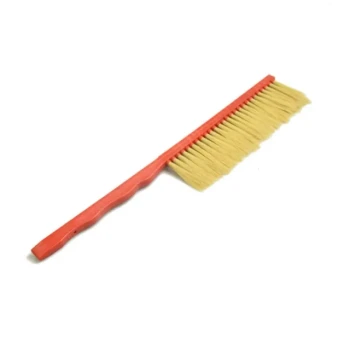
- Plastic Handle Single Row Artificial Fiber Bee Brush
- Wooden Bee Brush with Double-Row Horsehair Bristles
People Also Ask
- What is the specific function of a bee brush? Ensure Pure Harvests and Colony Welfare During Honey Extraction
- What are the key characteristics of the bristles on a bee brush? Master Gentle and Efficient Bee Removal
- What is the purpose of using a bee brush during the inspection of hive components? Safe & Precise Hive Management
- What problem does a bee brush solve? Protect Your Colony with Gentle Precision Tools
- Why is a bee brush necessary when extracting honeybee hive frames that contain larvae? Protect Your Brood and Colony