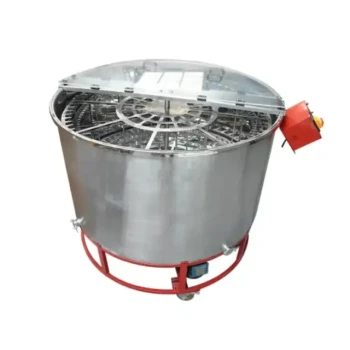
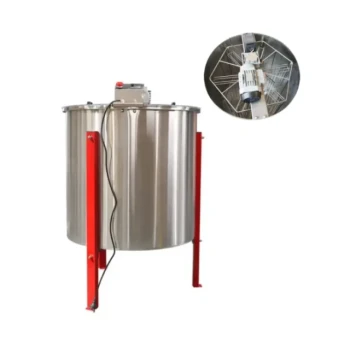
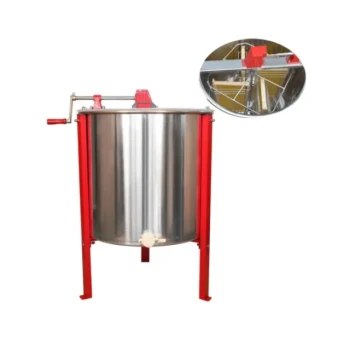
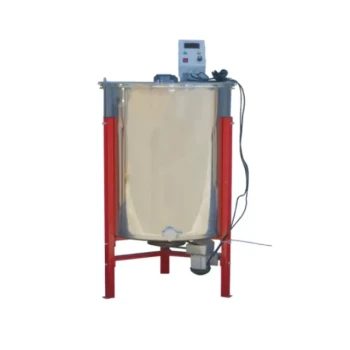
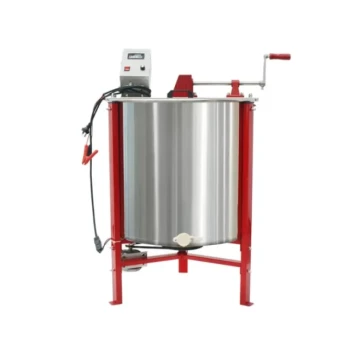
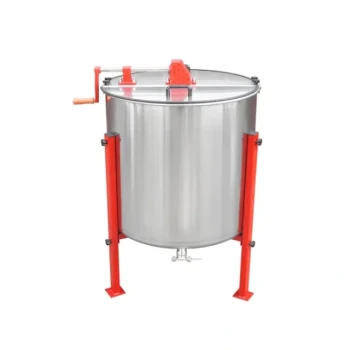
Leaving a honey extractor outdoors to be cleaned by bees poses significant biological and operational risks to your apiary. While this practice may seem like a convenient way to reclaim residual honey, it acts as a catalyst for aggressive robbing behavior and creates a primary vector for the spread of diseases between colonies.
The perceived efficiency of letting bees clean equipment is an illusion; the risks of inciting colony combat (robbing) and transmitting pathogens far outweigh the value of the small amount of honey reclaimed.
The Biological and Behavioral Risks
Triggering Robbing Frenzies
The scent of open, accessible honey creates an immediate feeding frenzy. This intense activity shifts the bees' behavior from foraging to looting.
Once the easy honey in the extractor is exhausted, this aggression often spills over to nearby hives. Stronger colonies may attack and overpower weaker ones, leading to the total loss of a hive.
Disease Transmission
An open extractor functions as a communal feeding station for every colony within flight range. This creates a "mixing bowl" for pathogens.
If bees from a single diseased colony visit the extractor, they can contaminate the surface. This creates a high-probability vector for spreading illness to every other healthy hive that visits the equipment.
Unnecessary Bee Mortality
The design of an extractor is not intended for foraging. Honey often accumulates in the deep seams at the bottom of the drum.
Bees attempting to feed in these tight spaces can easily become trapped in the viscous liquid. This results in bees drowning in the very resource they are attempting to gather.
Operational and Safety Hazards
Dangers to Human Traffic
The "cloud" of bees generated by an exposed extractor is chaotic and intense. This creates a safety hazard for anyone nearby.
You should never place wet equipment near areas with human foot traffic, as the heightened activity increases the likelihood of stings for bystanders or neighbors.
Equipment Integrity
Extractors are often heavy, awkward, and delicate. Moving them outside introduces unnecessary handling risks.
Transporting the unit increases the chance of dropping it or damaging components. Plastic lids and gates are particularly susceptible to cracking during this process.
Understanding the Trade-offs
The Value vs. Risk Equation
The main argument for this method is that it returns excess honey to the hives. However, you must objectively weigh this benefit against the potential costs.
The caloric value of the honey reclaimed is generally minimal. Contrast this with the high cost of replacing a colony lost to robbing or disease, or replacing a broken extractor lid.
Controlled Environment
Cleaning should always be viewed as a sanitation process, not a feeding opportunity.
Keeping the cleaning process inside a bee-tight building prevents the excitation of the apiary. It ensures that your equipment remains secure and your colonies remain calm.
Making the Right Choice for Your Apiary
To maintain a healthy and stable apiary, prioritize biosecurity over convenience.
- If your primary focus is disease management: Strictly avoid communal feeding sources like open extractors to prevent cross-contamination between hives.
- If your primary focus is apiary stability: Keep wet equipment indoors to avoid triggering the aggressive scouting and robbing instincts that destabilize weak colonies.
- If your primary focus is equipment longevity: Minimize the transport of heavy machinery to reduce the risk of structural damage to the drum or lid.
Protect your investment by washing equipment in a controlled, bee-free environment.
Summary Table:
| Risk Factor | Impact on Apiary | Mitigation Strategy |
|---|---|---|
| Robbing Behavior | Triggers aggression; strong hives attack weak ones | Clean equipment in a bee-tight building |
| Disease Spread | Pathogens like Foulbrood spread via communal feeding | Avoid open-air honey exposure |
| Bee Mortality | Foragers drown in viscous residual honey | Use warm water washing methods |
| Safety & Damage | Heightened sting risks and equipment breakage | Minimize transport of heavy machinery |
Secure Your Apiary Success with HONESTBEE
Don't let improper cleaning practices jeopardize your commercial honey production. At HONESTBEE, we empower commercial apiaries and distributors with the professional-grade tools needed to maintain peak biosecurity and operational efficiency.
Our extensive portfolio includes high-performance honey-filling machines, industrial-scale honey extractors, and durable hive-making machinery designed for professional use. Whether you are scaling your extraction line or stocking essential consumables, we provide the hardware and expertise to protect your investment.
Ready to upgrade your beekeeping operations? Contact our experts today to discuss wholesale solutions tailored to your business needs.
Related Products
- HONESTBEE 72 Frame Industrial Electric Honey Extractor for Beekeeping
- Commercial Electric 12 Frame Honey Extractor Spinner Motorized Honey Extractor
- HONESTBEE 6 Frame Self Reversing Electric Honey Extractor for Beekeeping
- HONESTBEE 3-Frame Manual Acrylic Honey Extractor
- Stainless Steel Manual 8 Frame Radial Honey Extractor Machine for Beehives
People Also Ask
- What is the importance of balancing honeycomb frames within a honey extractor? Ensure Stability and Protect Machinery
- How is honey separated from the frames after they are uncapped? Efficient Extraction Methods for High Yields
- What are the main benefits of using a honey extractor? Maximize Yields and Protect Your Honeycomb
- What are the recommended methods for removing honey from the honeycomb? Top Extraction Techniques for Maximum Efficiency
- How do manual honey extractors compare to electric honey extractors? Choosing the Right Tool for Your Apiary Growth