The Allure of a Simple Number
Every beekeeper, from the backyard hobbyist to the commercial operator, stands before their hives and asks the same fundamental question: "How much honey will I get?"
We crave a simple, quantifiable answer. A specification sheet. A number we can plan around.
When it comes to the innovative Flow Frame, that number is approximately 3 kg (or 6.5 lbs). That's the straightforward answer for its capacity. But this figure is a measure of physical potential, not a guarantee of biological production. The most critical truth in beekeeping is that the equipment provides the opportunity, but the bees and the environment dictate the outcome.
The Physics of Potential: Anatomy of a Flow Frame
To understand the harvest, we must first understand the vessel. The Flow Frame is a remarkable piece of engineering, designed to integrate seamlessly into a standard Langstroth deep super.
A Standardized Volume
The official 3 kg capacity is based on the internal volume of the frame's intricate honeycomb matrix. When bees fill every cell with honey and cap it with wax, this is the expected yield. It's a reliable benchmark, putting it on par with a fully-drawn traditional deep frame.
Where Potential Exceeds Design
The first sign that the bees are in charge comes from the wax. Before filling the cells, bees draw them out, coating the food-grade plastic with their own beeswax. If the colony is strong and the nectar flow is abundant, they may build these wax walls out thick and deep, pushing the frame's total volume—and your potential harvest—beyond the baseline specification. The engineering provides the blueprint; the biology adds the finishing touches.
The Biology of Production: Why Your Hive Ignores Your Specs
No matter how sophisticated the equipment, it remains a passive tool. The real work is done by a complex biological system operating under environmental constraints. These factors have far more influence on your honey yield than your choice of frame.
The Workforce: Colony Strength
Think of a honeybee colony as a factory. A large, thriving colony with a prolific queen is a fully staffed, three-shift operation. It has the immense workforce needed to forage for nectar, produce wax, build comb, and fill it with honey at an astonishing rate. A small or weak colony is a skeleton crew struggling to keep the lights on. They will be slow to fill even a single frame, regardless of its design.
The Raw Materials: Nectar Flow
Honey is simply concentrated nectar. If there is no nectar flow due to drought, unseasonable weather, or a lack of flowering plants, the factory has no raw materials. The most advanced hive in the world cannot create honey from nothing. Your harvest is a direct reflection of your local environment's generosity.
The X-Factor: Bee Acceptance
Bees must first "accept" and prepare the Flow Frames by applying their own wax. While most colonies adapt quickly, some are more hesitant with plastic than with traditional wax foundation. This behavioral variable can introduce a delay, reminding us that we are partners in this process, not masters.
The Beekeeper's Dilemma: Choosing Your Bottleneck
The decision between a Flow Hive and a traditional hive is not about which one "produces more." Per frame, their potential is the same. The real decision is about choosing what you want to optimize for—and what trade-offs you're willing to accept. It's about deciding where you want the system's bottleneck to be: in the hive, or in your own labor.
The Harvesting Trade-off: Time and Turmoil
This is where the two systems diverge dramatically.
-
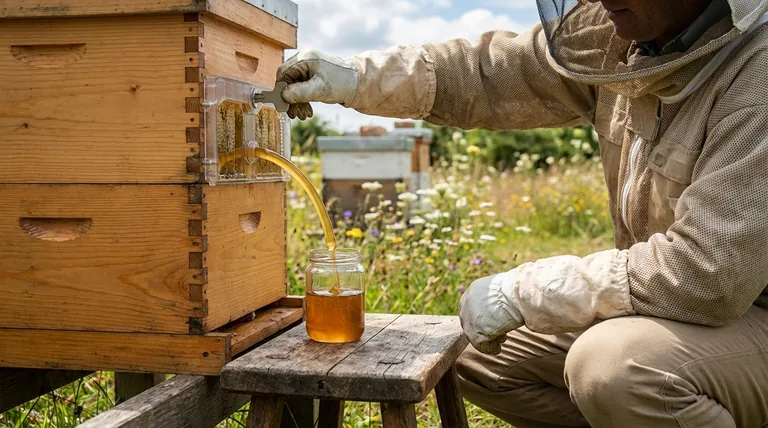
Flow Frame: The harvest is an elegant, quiet act. You turn a key, the cells gently split, and pure, filtered honey drains directly into a jar. The frame stays in the hive, and the bees are minimally disturbed. It's a system designed for precision and calm.
-
Traditional Frame: The harvest is an industrial process. It involves opening the hive, removing heavy frames of bees, brushing them off, transporting the frames, cutting off wax cappings with a hot knife, and spinning them in a centrifugal extractor. It is effective but labor-intensive, disruptive to the colony, and requires significant cleanup.
The choice isn't about yield; it's about your philosophy of interaction.
| Aspect | Flow Frame | Traditional Deep Frame |
|---|---|---|
| Average Yield/Frame | ~3 kg (6.5 lbs) | ~3 kg (6.5 lbs) |
| Harvesting Process | Turn a key; honey drains directly | Remove, uncap, spin in an extractor, filter |
| Colony Disturbance | Minimal | High |
| Required Equipment | Flow Hive Setup | Hive, uncapping tools, extractor, filters |
| Primary Optimization | Beekeeper's time; Low colony stress | Lower initial equipment cost |
Define Your Goal, Define Your Harvest
Ultimately, the equipment you choose is a reflection of your goals. Setting realistic expectations is the key to a rewarding experience, whether you manage ten hives or ten thousand.
- For unparalleled convenience and minimal colony disturbance, the Flow Frame is an exceptional system.
- For the lowest upfront equipment cost, a traditional setup is the path, provided you are prepared for the labor and ancillary equipment it demands.
- For maximizing total honey production across an operation, success will always depend more on masterful beekeeping—managing for peak colony health and understanding local nectar flows—than on the specific type of frame you use.
For large-scale operations, these aren't just matters of preference; they are critical calculations of labor, time, and return on investment. At HONESTBEE, we equip commercial apiaries and distributors with the highest quality supplies, understanding that the best solution is the one that aligns perfectly with your operational goals. Whether you are scaling up with the efficiency of Flow technology or expanding a traditional apiary, we provide the tools and expertise to support your success.
Contact Our Experts to discuss how we can help optimize your operation.
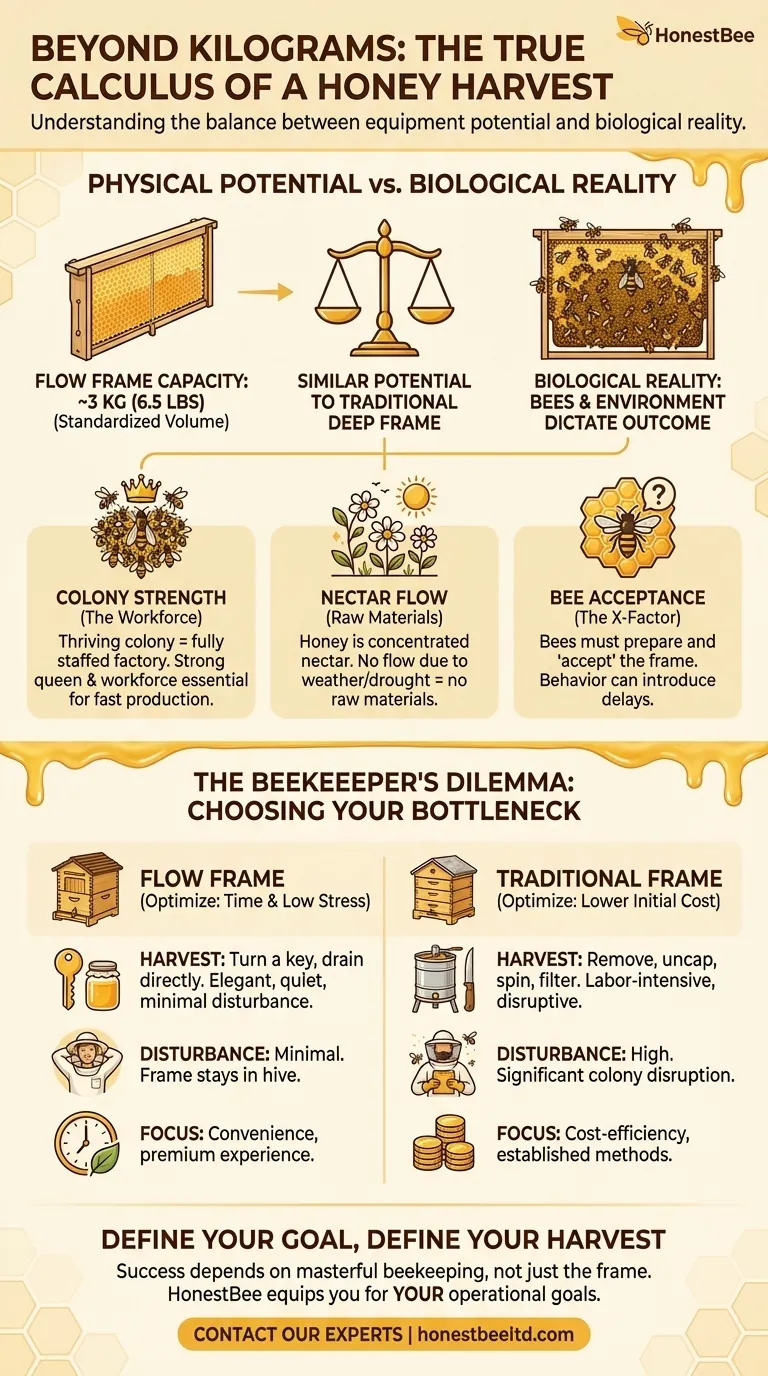
Visual Guide
Related Products
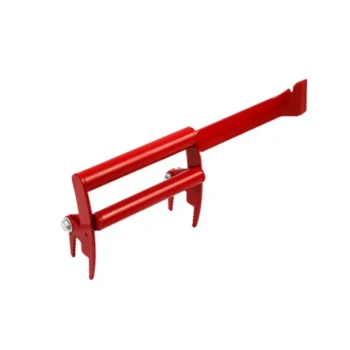
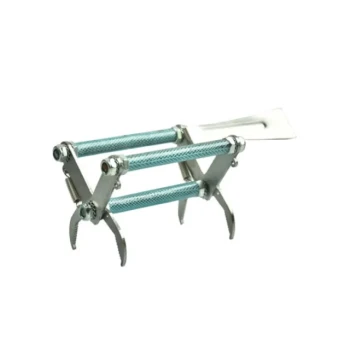
- Heavy-Duty Lever-Action Frame Grip with Hive Tool
- Wooden Bee Hive Frames for Beekeeping and Wholesale
- Assembled Wooden Bee Frames with Beeswax Foundation Ready to Use by HONESTBEE
- Plastic Bee Frame Beekeeping Hive Frames for Wholesale
- Assembled Wooden Bee Frames with Plastic Foundation for Durability and Convenience by HONESTBEE
Related Articles
- How Frame Grips Enhance Bee Welfare and Beekeeper Efficiency
- Calm Hands in the Colony: The Ergonomic Argument for Frame Grips
- Beyond the Clamp: The Frame Grip as an Instrument of Calm and Precision
- The Psychology of Control: Why a Frame Grip is a Masterclass in Hive Management
- The One-Handed Lift: Why a Simple Frame Grip is Your Apiary's Most Underrated Productivity Tool