Winter hive insulation isn't just about keeping bees warm—it's a delicate balancing act between temperature control, moisture management, and energy efficiency. Poor insulation leads to colony losses from chilling or condensation-related diseases, while over-insulation can trap harmful humidity. This guide unpacks science-backed methods to create optimal hive conditions, tailored for commercial apiaries and distributors prioritizing colony survival rates.
The Science of Hive Thermoregulation
How Bees Self-Regulate Temperature
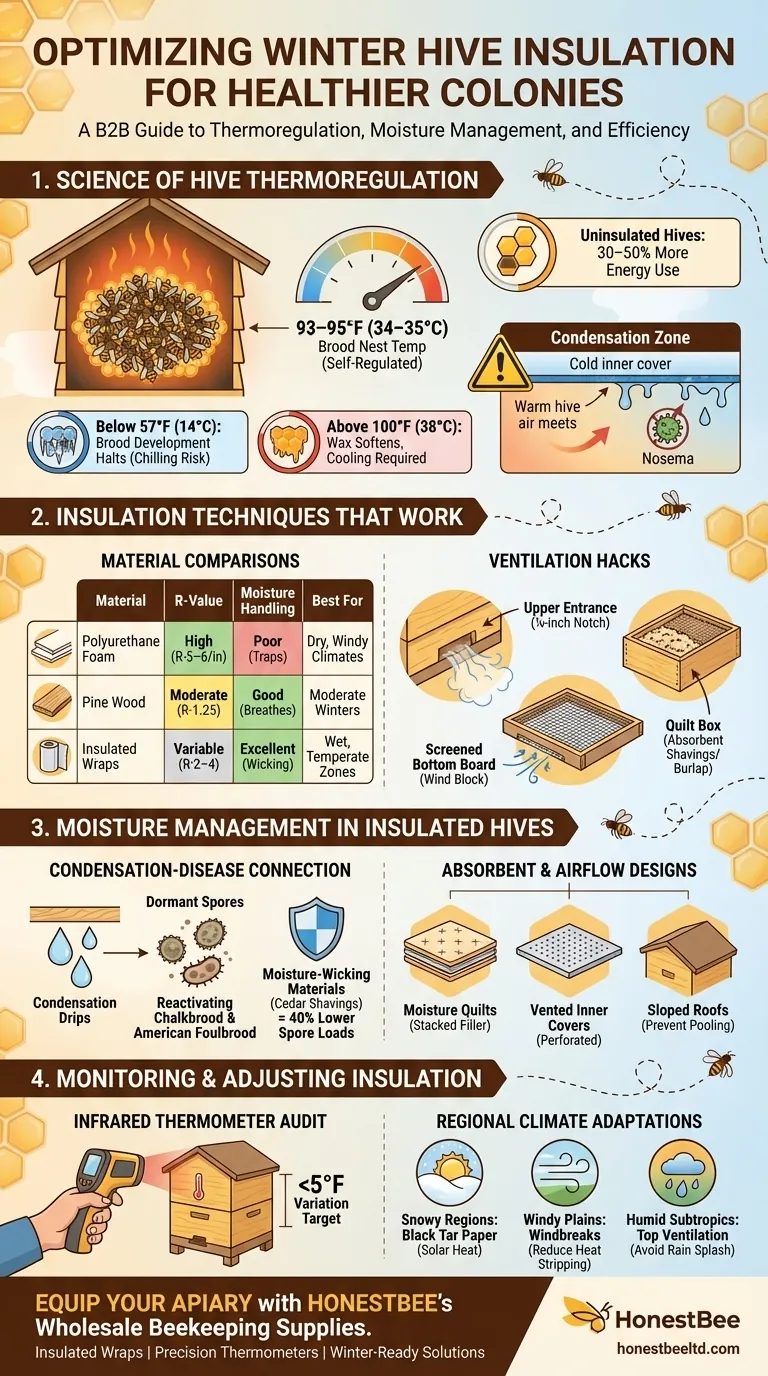
Honeybees maintain brood nest temperatures around 93–95°F (34–35°C) through collective shivering and clustering. However, winter clusters can’t compensate for extreme cold without insulation support. Research shows colonies in uninsulated hives expend 30–50% more energy to stay warm, depleting honey stores prematurely.
Critical Thresholds for Brood Survival
- Below 57°F (14°C): Brood development halts, risking chilled brood.
- Above 100°F (38°C): Wax comb softens, and bees divert energy to cooling.
- Condensation zones: Occur when warm hive air meets cold inner covers, creating "drip zones" that spread pathogens like Nosema.
Insulation Techniques That Work
Material Comparisons: Foam vs. Wood vs. Wraps
| Material | R-Value (Insulation) | Moisture Handling | Best For |
|---|---|---|---|
| Polyurethane Foam | High (R-5–6 per inch) | Poor (traps moisture) | Dry, windy climates |
| Pine Wood | Moderate (R-1.25) | Good (breathes) | Moderate winters |
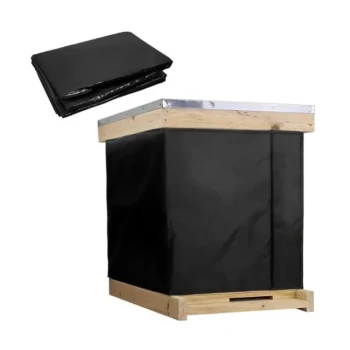
| Insulated Wraps | Variable (R-2–4) | Excellent (wicking) | Wet, temperate zones |
Pro Tip: Combine foam boards (exterior) with breathable wraps (interior) in damp climates to block wind while allowing moisture escape.
Ventilation Hacks to Prevent Condensation
- Upper Entrances: A ¼-inch notch under the inner cover lets humid air escape.
- Screened Bottom Boards: Reduce condensation but require wind blocks in snowy areas.
- Quilt Boxes: Absorbent wood shavings or burlap above the hive absorb excess moisture.
Moisture Management in Insulated Hives
The Condensation-Disease Connection
Condensation drips reactivate dormant spores of chalkbrood and American foulbrood. Insulated hives in Pacific Northwest-style climates show 40% lower spore loads when using moisture-wicking materials like cedar shavings.
Absorbent Materials and Airflow Designs
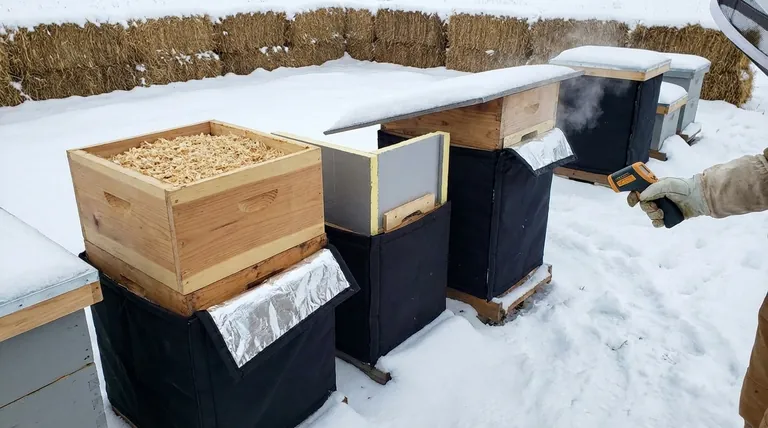
- Moisture Quilts: Stacked above frames with absorbent filler (e.g., pine needles).
- Vented Inner Covers: Perforated designs mimic natural tree cavity airflow.
- Sloped Roofs: Prevent water pooling and ice dams.
Monitoring and Adjusting Insulation
Using Infrared Thermometers for Hive Audits
Aim for <5°F variation between the brood cluster and hive walls. Sudden cold spots indicate insulation gaps, while uniform warmth suggests proper sealing.
Regional Climate Adaptations
- Snowy Regions: Wrap hives with black tar paper to absorb solar heat.
- Windy Plains: Install windbreaks 3–5 feet from hives to reduce heat stripping.
- Humid Subtropics: Prioritize top ventilation over bottom screens to avoid rain splash.
Ready to Equip Your Apiary?
HONESTBEE’s wholesale-focused beekeeping supplies help distributors and commercial operations implement these strategies at scale—from insulated wraps to precision thermometers. Invest in winter-ready solutions that balance warmth, dryness, and energy efficiency.
Have you tested your hive’s condensation levels this season? Share your insights with fellow beekeepers to refine these approaches.
Visual Guide
Related Products
- Professional Insulated Winter Hive Wrap for Beekeeping
- Professional Insulated Plastic Bee Hives
- Inner Beehive Cover for Beekeeping Bee Hive Inner Cover
- Stainless Steel Round Beehive Air Vents for Ventilation
- Metal Hive Feet Bee Hive Stand for Ant Protection
Related Articles
- The Cold Deception: Why Beehive Wintering is About Moisture, Not Warmth
- Beyond Warmth: The Physics of Beehive Survival in Winter
- How to Secure Beehive Covers: Weatherproof Strategies for Every Hive Type
- Beyond the Cold: The Physics of a Winter Beehive and Why Our Instincts Fail Us
- How to Time Hive Insulation for Maximum Winter Bee Survival