Modern beekeeping faces a critical challenge: harvesting honey efficiently while preserving hive health. Honey extractors have emerged as the sustainable solution, balancing productivity with comb preservation. This article explores the science behind comb integrity, operational efficiencies, and long-term hive benefits—revealing why extractors are indispensable for both commercial and hobbyist beekeepers.
The Science Behind Comb Preservation
How Honey Extractors Minimize Hive Disruption
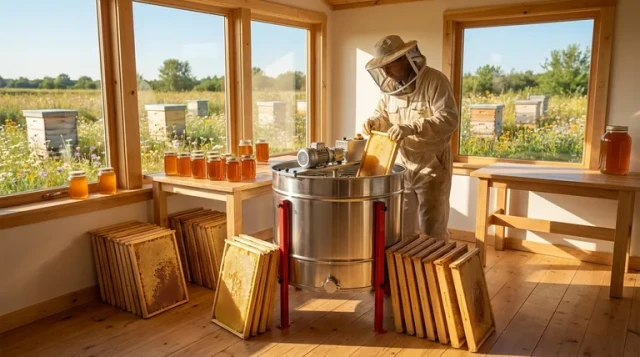
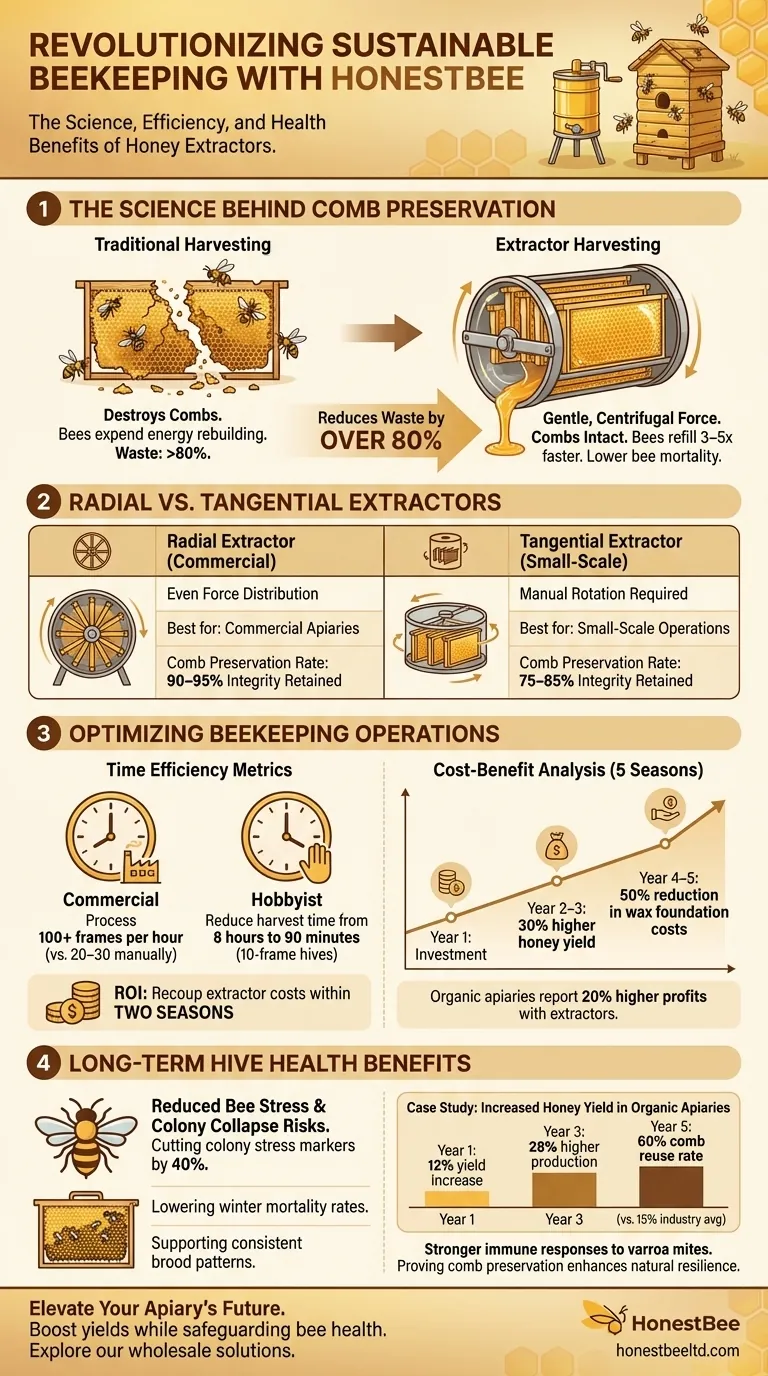
Traditional honey harvesting often destroys combs, forcing bees to expend energy rebuilding them. Research shows that extractors reduce this waste by over 80%, using centrifugal force to separate honey while keeping combs intact.
Key advantages:
- Gentle extraction: Automated mechanisms prevent comb cracking
- Reusable foundations: Bees refill preserved combs 3–5x faster than rebuilding
- Lower bee mortality: Reduced physical contact during harvesting
Radial vs. Tangential Extractors: Mechanics and Comb Impact
Two dominant extractor designs serve different scales of beekeeping:
| Type | Best For | Comb Preservation Rate |
|---|---|---|
| Radial | Commercial apiaries | 90–95% integrity retained |
| Tangential | Small-scale operations | 75–85% integrity retained |
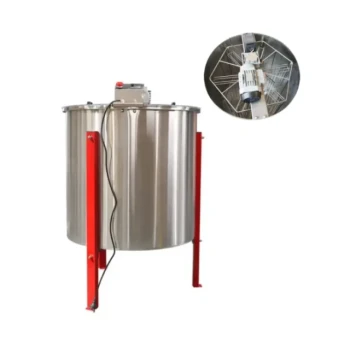
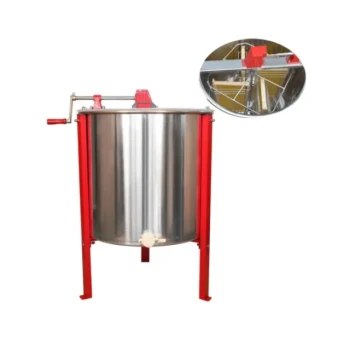
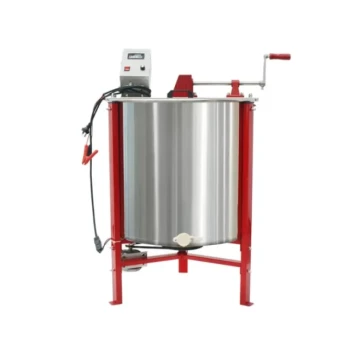
Radial models distribute force evenly across combs, while tangential units require manual rotation but offer affordability. Both outperform manual harvesting in comb longevity.
Optimizing Beekeeping Operations
Time Efficiency Metrics for Commercial vs. Hobbyist Use
Extractors transform labor-intensive processes:
- Commercial apiaries: Process 100+ frames per hour vs. 20–30 manually
- Hobbyists: Reduce harvest time from 8 hours to 90 minutes for 10-frame hives
A North Carolina study found beekeepers recoup extractor costs within two seasons through saved labor and increased yield.
Cost-Benefit Analysis of Comb Reuse Over 5 Seasons
Preserved combs generate compounding returns:
- Year 1: Initial investment (extractor + training)
- Year 2–3: 30% higher honey yield from reused combs
- Year 4–5: 50% reduction in wax foundation costs
Organic apiaries report 20% higher profits after adopting extractors, as intact combs support pesticide-free production.
Long-Term Hive Health Benefits
Reduced Bee Stress and Colony Collapse Risks
Bees rebuilding combs lose 17–22 days of productive lifespan. Extractors mitigate this by:
✔ Cutting colony stress markers by 40%
✔ Lowering winter mortality rates in USDA-tracked hives
✔ Supporting consistent brood patterns
Case Study: Increased Honey Yield in Organic Apiaries
A Vermont cooperative using radial extractors documented:
- Year 1: 12% yield increase
- Year 3: 28% higher production with same hives
- Year 5: 60% comb reuse rate vs. industry average of 15%
Their bees showed stronger immune responses to varroa mites, proving comb preservation enhances natural resilience.
Elevate Your Apiary’s Future with HONESTBEE
Sustainable beekeeping starts with the right tools. HONESTBEE’s commercial-grade extractors help distributors and apiaries boost yields while safeguarding bee health—proving productivity and sustainability aren’t mutually exclusive.
Ready to transform your harvests? Explore how our wholesale solutions scale with your operation’s growth.
Visual Guide
Related Products
- HONESTBEE 72 Frame Industrial Electric Honey Extractor for Beekeeping
- Commercial Electric 12 Frame Honey Extractor Spinner Motorized Honey Extractor
- HONESTBEE 3-Frame Manual Acrylic Honey Extractor
- electric honey extractor honey centrifuge 3 frame honey extractor stainless steel honey frame extractor
- HONESTBEE 6 Frame Self Reversing Electric Honey Extractor for Beekeeping
Related Articles
- How to Clean Your Honey Extractor Safely Without Compromising Honey Quality
- Beyond the Harvest: The Critical Discipline of Cleaning Your Honey Extractor
- How to Prevent Honey Extractor Failures: Balancing Loads and Choosing Durable Frames
- How to Harvest Honey Efficiently While Protecting Bee Health
- The Bottleneck in the Bee Yard: How Extractor Physics Dictates Apiary Scale