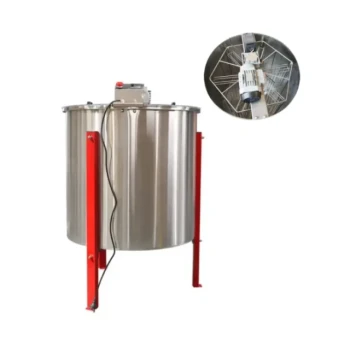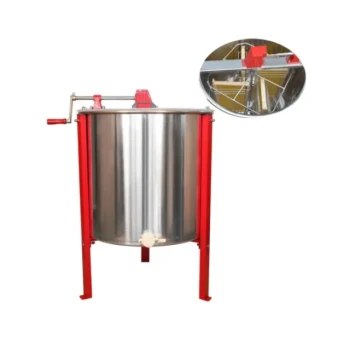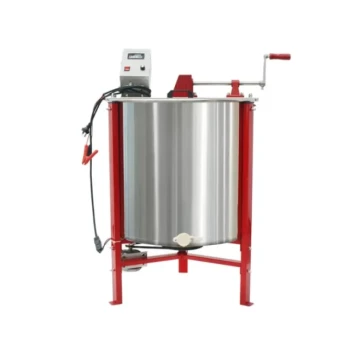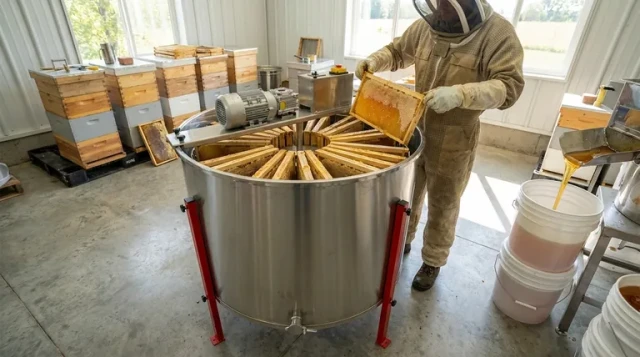
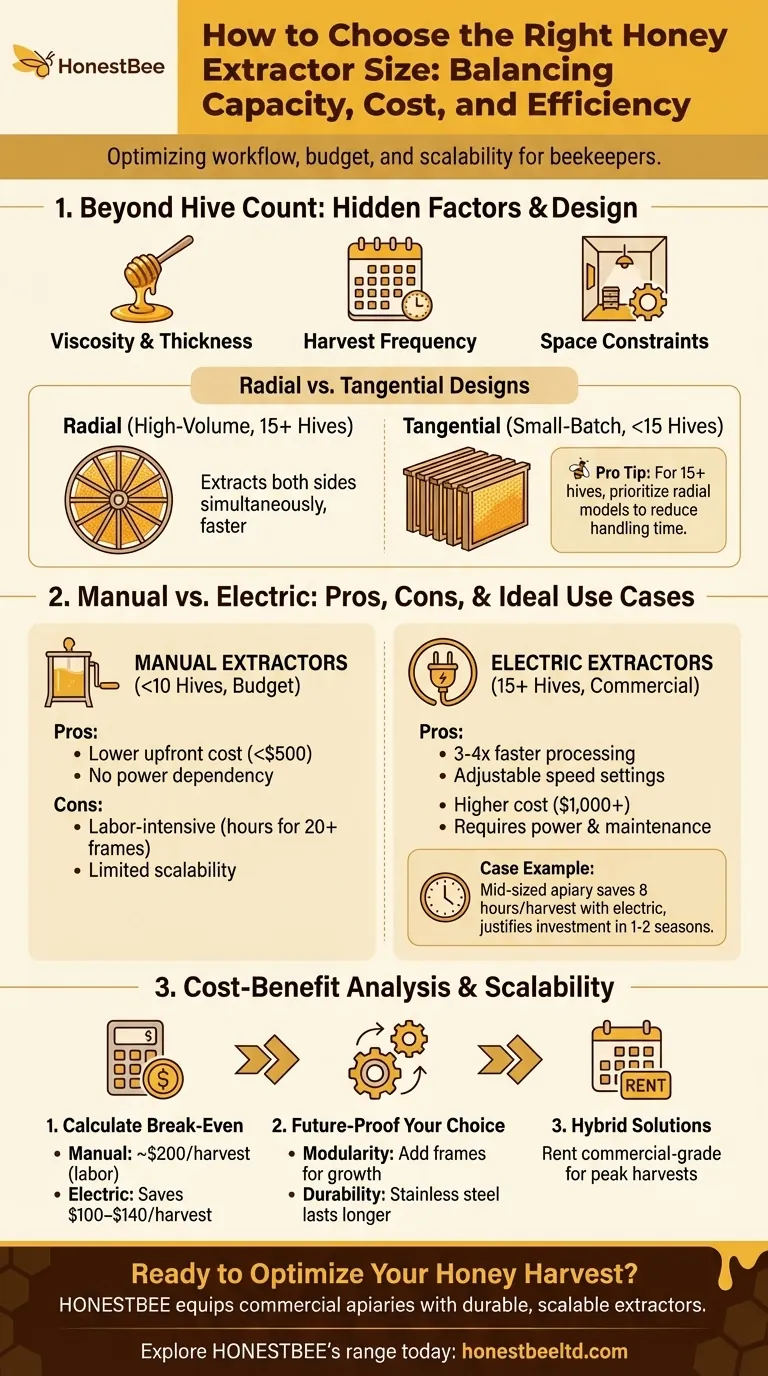
Selecting the right honey extractor size isn’t just about matching hive counts—it’s about optimizing your workflow, budget, and long-term scalability. Whether you’re a small-scale hobbyist or a commercial beekeeper, understanding the hidden factors behind extractor capacity ensures you avoid overinvestment while maximizing yield.
Beyond Hive Count: Hidden Factors Impacting Extractor Capacity
Hive quantity is just the starting point. While a common rule suggests an extractor can handle double its frame capacity (e.g., a 2-frame model for ~4 hives), real-world needs depend on:
- Honey viscosity and comb thickness: Thicker honey or reinforced combs may require slower extraction speeds to avoid damage, reducing throughput.
- Harvest frequency: High-yield seasons or frequent harvests benefit from larger capacities to minimize labor bottlenecks.
- Space constraints: Larger extractors (e.g., 9-frame models) need dedicated workspace and storage.
Radial vs. tangential designs further influence efficiency:
- Radial extractors (frames arranged like wheel spokes) extract honey from both sides simultaneously, ideal for high-volume operations.
- Tangential extractors (frames facing outward) require manual flipping but are often more affordable for small batches.
Pro Tip: For operations with over 15 hives, prioritize radial models to reduce handling time.
Manual vs. Electric Extractors: Pros, Cons, and Ideal Use Cases
Manual Extractors
Best for: Small-scale beekeepers (<10 hives), hobbyists, or those prioritizing budget over speed.
-
Pros:
- Lower upfront cost (typically under $500).
- No power dependency—ideal for remote apiaries.
-
Cons:
- Labor-intensive; extracting 20+ frames can take hours.
- Limited scalability for growing operations.
Electric Extractors
Best for: Commercial apiaries or beekeepers with 15+ hives.
-
Pros:
- Processes 3–4x faster than manual models.
- Adjustable speed settings protect delicate combs.
-
Cons:
- Higher cost (often $1,000+).
- Requires power access and maintenance.
Case Example: A mid-sized apiary saving 8 hours per harvest with an electric model could justify the investment within 1–2 seasons.
Cost-Benefit Analysis: Avoiding Overinvestment While Ensuring Scalability
1. Calculate Your Break-Even Point
Compare extractor costs against labor savings:
- Manual extraction: ~$20/hour (estimated labor cost) × 10 hours = $200/harvest.
- Electric extraction: Cuts time by 50–70%, saving $100–$140/harvest.
2. Future-Proof Your Choice
- Modularity: Some extractors allow frame additions. A 4-frame electric model might suffice for 10 hives today but scale to 20 with upgrades.
- Material Durability: Stainless steel models (common in electric extractors) last longer but cost 20–30% more than galvanized alternatives.
3. Hybrid Solutions
For seasonal beekeepers, renting a commercial-grade extractor during peak harvests can offset ownership costs.
Ready to Optimize Your Honey Harvest?
Choosing the right extractor size hinges on aligning capacity with your workflow, budget, and growth plans. HONESTBEE equips commercial apiaries and distributors with durable, scalable extractors—from manual starters to high-efficiency electric systems—ensuring every harvest runs smoothly.
Explore HONESTBEE’s range today and invest in equipment that grows with your beekeeping success.
Visual Guide
Related Products
- HONESTBEE 72 Frame Industrial Electric Honey Extractor for Beekeeping
- Commercial Electric 12 Frame Honey Extractor Spinner Motorized Honey Extractor
- HONESTBEE 3-Frame Manual Acrylic Honey Extractor
- electric honey extractor honey centrifuge 3 frame honey extractor stainless steel honey frame extractor
- HONESTBEE 6 Frame Self Reversing Electric Honey Extractor for Beekeeping
Related Articles
- How to Clean Your Honey Extractor Safely Without Compromising Honey Quality
- Beyond the Harvest: The Critical Discipline of Cleaning Your Honey Extractor
- How to Prevent Honey Extractor Failures: Balancing Loads and Choosing Durable Frames
- How to Harvest Honey Efficiently While Protecting Bee Health
- The Bottleneck in the Bee Yard: How Extractor Physics Dictates Apiary Scale