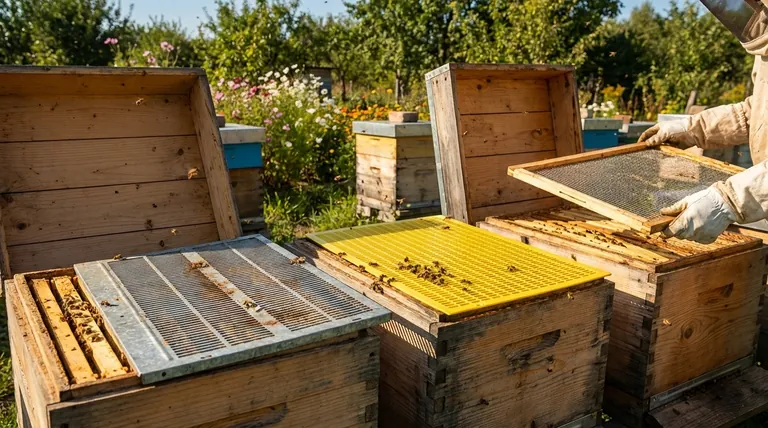
Selecting the ideal queen excluder isn’t just about separating honey from brood—it’s about aligning with your apiary’s unique conditions, management style, and long-term goals. This guide breaks down material pros/cons, climate considerations, and cost-efficiency to help you make an informed decision.
Choosing the Right Queen Excluder
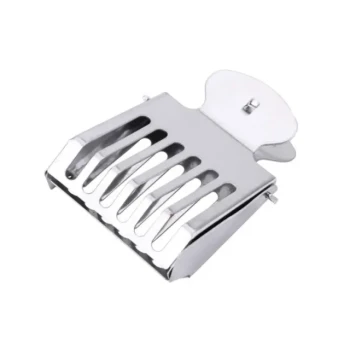
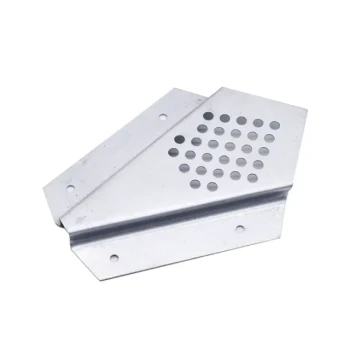
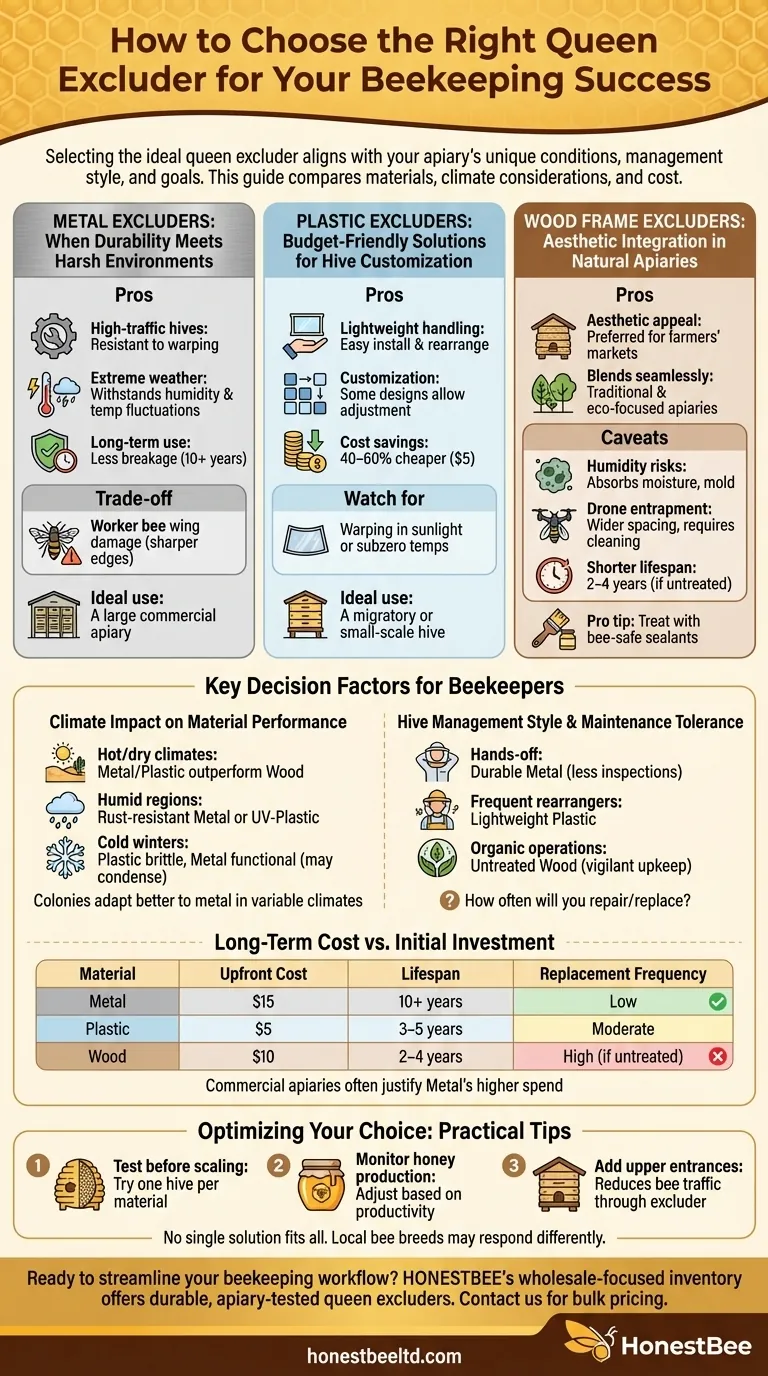
Metal Excluders: When Durability Meets Harsh Environments
Metal excluders (typically galvanized steel or stainless steel) excel in durability, making them ideal for:
- High-traffic hives: Resistant to warping under heavy use.
- Extreme weather: Withstand humidity and temperature fluctuations better than wood or plastic.
- Long-term use: Less prone to breakage, though initial costs are higher.
Trade-off: Worker bees may experience wing damage over time due to sharper edges. For commercial apiaries with frequent hive inspections, metal’s robustness often outweighs this drawback.
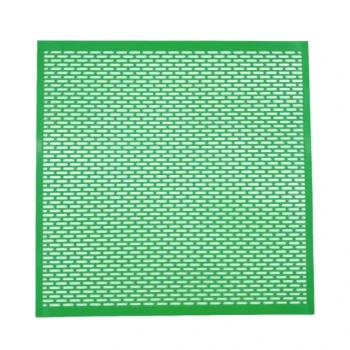
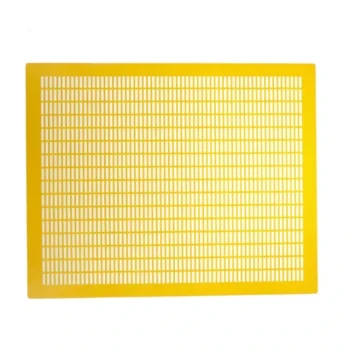
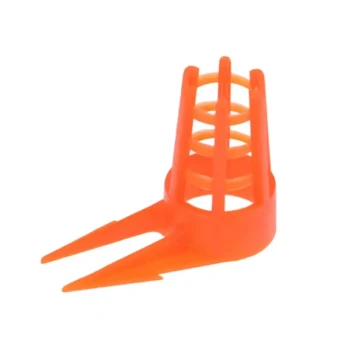
Plastic Excluders: Budget-Friendly Solutions for Hive Customization
Plastic excluders offer flexibility for beekeepers who prioritize:
- Lightweight handling: Easier to install and rearrange during hive checks.
- Customization: Some designs allow for modular adjustments to spacing.
- Cost savings: 40–60% cheaper than metal, though lifespan is shorter (3–5 years vs. 10+ for metal).
Watch for: Warping in direct sunlight or subzero temperatures. Plastic suits small-scale or migratory beekeepers who value affordability over longevity.
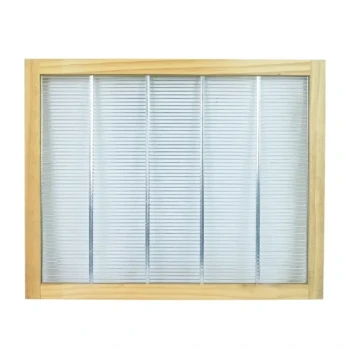
Wood Frame Excluders: Aesthetic Integration in Natural Apiaries
Wood excluders blend seamlessly into traditional or eco-focused apiaries but come with caveats:
- Humidity risks: Absorbs moisture, leading to mold or structural weakness in damp climates.
- Drone entrapment: Wider spacing may allow drones to get stuck, requiring frequent cleaning.
- Aesthetic appeal: Preferred for hobbyists selling honey at farmers’ markets where hive appearance matters.
Pro tip: Treat wood with bee-safe sealants to extend its life in humid regions.
Key Decision Factors for Beekeepers
Climate Impact on Material Performance
- Hot/dry climates: Metal and plastic outperform wood, which may crack.
- Humid regions: Avoid untreated wood; opt for rust-resistant metal or UV-stabilized plastic.
- Cold winters: Plastic becomes brittle; metal remains functional but may condense moisture.
Research shows: Colonies in variable climates adapt better to metal excluders, reducing replacement costs long-term.
Hive Management Style and Maintenance Tolerance
- Hands-off beekeepers: Durable metal reduces inspection frequency.
- Frequent rearrangers: Lightweight plastic simplifies hive adjustments.
- Organic operations: Untreated wood aligns with natural practices but demands vigilant upkeep.
Ask yourself: How often are you willing to repair or replace excluders? Your answer dictates material choice.
Long-Term Cost vs. Initial Investment
| Material | Upfront Cost | Lifespan | Replacement Frequency |
|---|---|---|---|
| Metal | $15 | 10+ years | Low |
| Plastic | $5 | 3–5 years | Moderate |
| Wood | $10 | 2–4 years | High (if untreated) |
For commercial apiaries, metal’s longevity often justifies the higher initial spend. Hobbyists may prefer plastic’s lower barrier to entry.
Optimizing Your Choice: Practical Tips
- Test before scaling: Try one hive with each material to observe colony behavior.
- Monitor honey production: Some colonies ignore excluders; others reduce honey stores. Adjust based on productivity.
- Add upper entrances: Reduces bee traffic through the excluder, minimizing wing wear.
Remember: No single solution fits all. Local bee breeds (e.g., Carniolans vs. Italians) may respond differently.
Ready to streamline your beekeeping workflow? HONESTBEE’s wholesale-focused inventory offers durable, apiary-tested queen excluders designed for commercial-scale success. Contact us today to discuss bulk pricing tailored to your operation’s needs.
Products You Might Be Looking For:
Explore wooden queen excluders for natural beekeeping
Visual Guide
Related Products
- High Performance Plastic Queen Excluder for Beekeeping and Apiary Management
- Professional Plastic Queen Excluder for Modern Beekeeping
- Lightweight Durable Plastic Queen Excluder Scraper for Beekeeping
- Metal Queen Bee Excluder for Beekeeping
- Premium Wood Framed Metal Wire Queen Bee Excluder
Related Articles
- How Plastic Queen Excluders Improve Hive Longevity and Colony Health
- Plastic Queen Excluders vs. Alternatives: A Beekeeper’s Guide to Smarter Hive Management
- Why Plastic Queen Excluders Outperform Metal and Wood: Science, Savings, and Hive Protection
- How to Choose Queen Excluders Based on Colony Behavior and Queen Traits
- The Geometry of Order: Why the Queen Excluder is a Beekeeper's Most Strategic Tool