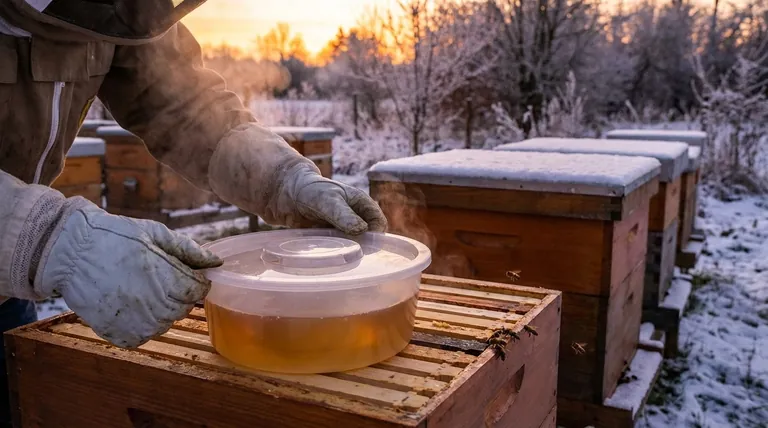
A Cold Spring Morning
It’s a scene every beekeeper dreads. You approach a hive in the first warmth of spring, expecting the low hum of activity, but are met with silence.
Lifting the lid reveals a colony frozen in time. The bees are clustered together, many with their heads tucked deep inside the empty hexagonal cells of the comb.
This isn't a sign of disease or a mysterious plague. It's the quiet, definitive portrait of starvation. They died searching for the last drop of food.
A Bee Colony is a Furnace
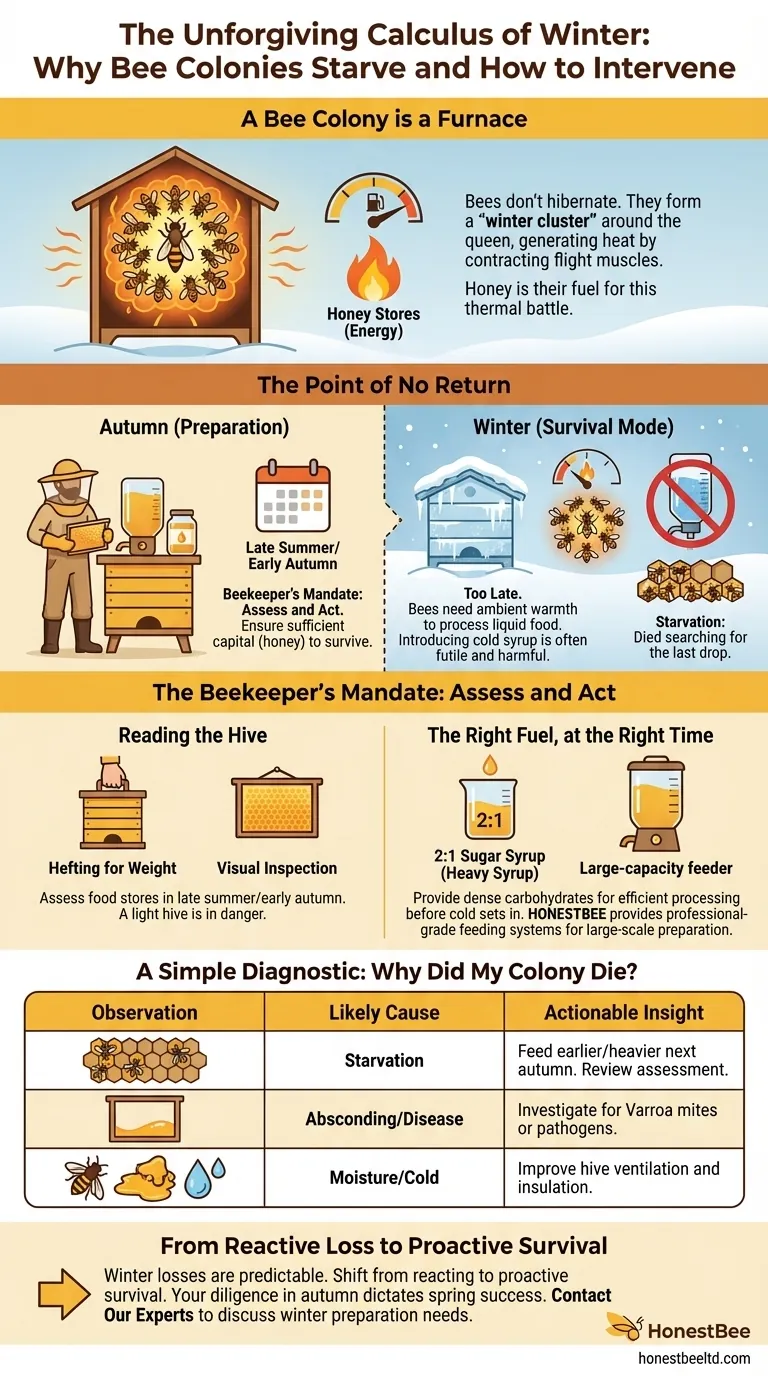
To understand why they starved, we have to stop thinking of bees as insects that simply get cold. In winter, a honey bee colony is a living furnace.
Bees do not hibernate. They survive by forming a tight "winter cluster" around the queen, generating their own heat. They produce this warmth by contracting their powerful flight muscles, a constant, high-frequency vibration that burns immense amounts of energy.
Their fuel for this thermal battle is honey. Every drop of stored nectar is a unit of energy, converted into the heat that keeps the core of the cluster alive against the biting cold.
When the fuel runs out, the furnace goes cold. It’s a simple, brutal equation of thermodynamics.
The Point of No Return
The most common human error is assuming that feeding a struggling colony in the dead of winter is a viable solution. It’s a well-intentioned mistake, but it ignores the colony's physical limitations.
Bees need ambient warmth to process liquid food. Once the cold sets in and the cluster is formed, they cannot easily break formation to access a feeder. They are locked into survival mode, conserving every degree of heat.
Introducing cold syrup at this stage can be futile. They can't process it, and the added moisture can increase condensation inside the hive, creating a new set of lethal problems like damp and chill.
The window for intervention is surprisingly early. Help offered too late is no help at all.
The Beekeeper's Mandate: Assess and Act
A beekeeper's most critical autumn task is that of an energy accountant. Your job is to audit the colony's reserves and ensure they have the capital to survive the winter.
Reading the Hive
In late summer and early autumn, you must assess the hive's food stores. This can be done by "hefting" the hive—getting a feel for its weight—or by visually inspecting the frames. A hive that feels light is a hive in danger. This is the moment for decisive action, not hopeful observation.
The Right Fuel, at the Right Time
If stores are low, the solution is a heavy sugar syrup (a 2:1 sugar-to-water ratio). This provides a dense source of carbohydrates that the bees can efficiently process and store, mimicking the properties of honey.
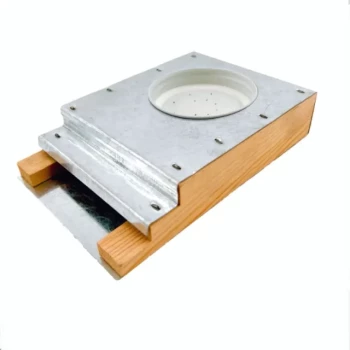
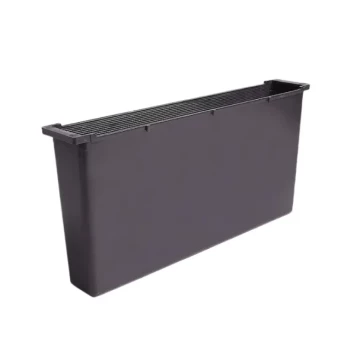
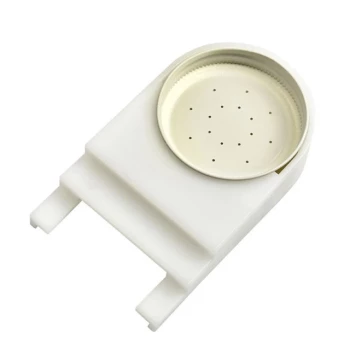
This process requires reliable, large-capacity feeders that allow the entire colony to build up its winter larder quickly, before the temperature drops. For commercial apiaries, where dozens or hundreds of colonies must be prepared, the efficiency and dependability of your equipment is paramount. This is precisely why HONESTBEE provides professional-grade feeding systems designed for effective, large-scale winter preparation.
A Simple Diagnostic: Why Did My Colony Die?
If you do lose a hive, a post-mortem is an invaluable lesson. Understanding the cause of death helps you protect your remaining colonies.
| Observation | Likely Cause of Death | Actionable Insight |
|---|---|---|
| Bees clustered, heads in empty cells. | Starvation | Feed remaining colonies more heavily and earlier next autumn. Review your assessment methods. |
| Plenty of honey remains, bees are gone. | Absconding/Disease | Investigate for Varroa mites or other pathogens that may have driven the colony to leave. |
| Dead bees with honey stores, signs of moisture. | Moisture/Cold | Improve hive ventilation and insulation for the next winter season. |
From Reactive Loss to Proactive Survival
Winter losses are not a matter of luck. They are the predictable outcome of a colony's energy balance. By understanding the unforgiving calculus of their survival, you can shift from reacting to losses to proactively ensuring their success.
Your diligence in autumn directly dictates who emerges in the spring. Ensuring your apiaries have the reserves they need is the most important investment you can make. Protecting that investment requires the right strategy and the right equipment. To discuss your apiary's winter preparation needs, Contact Our Experts.
Visual Guide
Related Products
- In-Hive Dual Compartment Frame Bee Feeder for Targeted Colony Nutrition
- Boardman Entrance Bee Feeder Durable Galvanized Steel and Wood Construction for Beekeeping
- White Plastic 0.5L Beekeeping Entrance Feeder for Bees
- Professional In-Hive Bee Feeder HONESTBEE Frame for Beekeeping
- Classic Boardman Entrance Bee Feeder Hive Front Feeding Solution
Related Articles
- Why Your Bees Are Starving in Winter (And How the Right Feeder Prevents It)
- Why Your In-Hive Feeders Leak—And How One Piece of Equipment Prevents Disaster
- How to Choose Between Frame and Gravity Feeders for Healthy Honey Bee Colonies
- How to Choose the Right Bee Feeder for Your Hive’s Health and Efficiency
- An Operator's Calculus: The Hidden Trade-offs of High-Capacity Bee Feeders