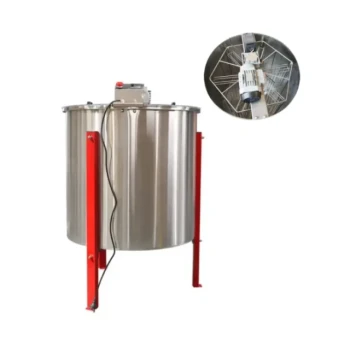
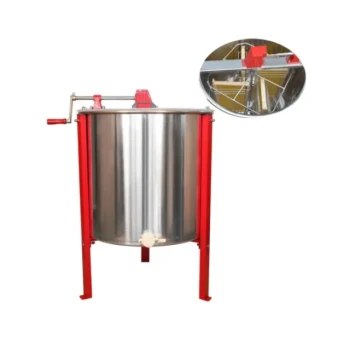
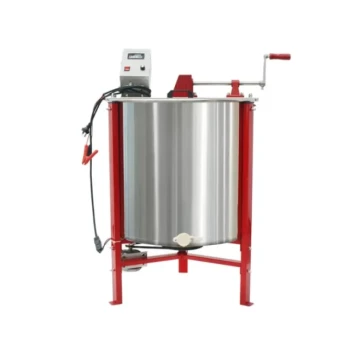
No, honey extractors are not strictly essential for every beekeeper. While they are the industry standard for efficiency, they are not mandatory for small-scale hobbyists. If you maintain only a few hives, you can successfully harvest honey using simpler, manual techniques like the "crush and strain" method or a honey press without the need for expensive machinery.
Core Takeaway While not mandatory for beginners, the honey extractor becomes a critical asset as your apiary grows. Its primary value is not just speed, but the preservation of drawn comb, allowing bees to focus their energy on honey production rather than rebuilding wax structures.
Evaluating the Need Based on Scale
The Hobbyist Perspective
For beekeepers managing a small number of colonies, large electric extractors are rarely justifiable. They represent a significant financial investment, occupy substantial storage space, and are used very infrequently.
Small-Scale Solutions
If you decide to use an extractor but have a limited operation, a small, hand-cranked tangential extractor is usually adequate. Beekeepers can often avoid purchasing one entirely by borrowing or hiring these units from local beekeeping associations.
The Shift to Necessity
The extractor transitions from an optional luxury to a crucial tool for medium to large-scale beekeepers. As hive counts rise, the manual effort required for alternative methods becomes unsustainable, making the efficiency of an extractor vital for productivity.
Alternative Harvesting Methods
The "Crush and Strain" Technique
This is the most common alternative for those without an extractor. It involves physically crushing the honeycomb and straining the liquid through a filter.
The Honey Press
A honey press is another viable option for small harvests. It is considered efficient because it minimizes honey waste and is often more economical than a centrifugal extractor for smaller operations.
Consumer Preference
Interestingly, honey harvested via these manual methods is preferred by certain consumers. The resulting product often contains small particles of wax or pollen, which distinguishes it from commercially processed honey.
Understanding the Trade-offs
The Cost of Wax Destruction
The most significant technical downside of foregoing an extractor is the destruction of the honeycomb. Methods like crush-and-strain or cut-comb render the wax structure unusable for future seasons.
Impact on Colony Energy
When the comb is destroyed, the colony faces a setback. Bees must expend significant time and metabolic energy to secrete new wax and rebuild the comb structure.
The Efficiency Gap
Using an extractor spins the honey out while keeping the wax frame intact. This allows the beekeeper to return the empty combs to the hive, enabling the bees to immediately refill them with nectar rather than wasting resources on reconstruction.
Making the Right Choice for Your Goal
Deciding on an extractor depends entirely on the size of your operation and your long-term goals for the apiary.
- If your primary focus is low-cost entry: Utilize the crush-and-strain method or a honey press to minimize upfront costs, accepting that your bees will need to rebuild comb next season.
- If your primary focus is maximum yield: Invest in a centrifugal extractor to preserve drawn comb, significantly reducing the energy burden on your bees and increasing honey production speed.
Ultimately, while safety gear like smokers and hive tools are non-negotiable essentials, the honey extractor is a strategic investment in efficiency rather than a strict requirement for harvest.
Summary Table:
| Harvesting Method | Scale Suitability | Equipment Cost | Pros | Cons |
|---|---|---|---|---|
| Crush & Strain | Hobbyist (1-2 hives) | Very Low | Low entry cost; high consumer appeal | Destroys wax comb; labor-intensive |
| Honey Press | Small-scale | Moderate | Efficient for small batches | Slower than centrifugal extraction |
| Honey Extractor | Commercial/Growing | High | Preserves drawn comb; high speed | High investment; storage space required |
Elevate Your Apiary's Productivity with HONESTBEE
Whether you are scaling a commercial apiary or supplying the next generation of beekeepers, HONESTBEE provides the professional-grade tools you need to maximize every harvest. As a premier wholesale partner for distributors and commercial operations, we offer a comprehensive range of beekeeping solutions:
- High-Efficiency Machinery: From industrial-grade honey extractors to automated honey-filling and hive-making machines.
- Essential Supplies: A full spectrum of beekeeping tools, hardware, and industry consumables.
- Brand Growth: Unique honey-themed cultural merchandise to diversify your retail portfolio.
Don't let manual processing limit your growth. Partner with HONESTBEE to access high-quality equipment that saves your bees energy and increases your yield. Contact our wholesale team today to discuss your equipment needs!
Related Products
- HONESTBEE 72 Frame Industrial Electric Honey Extractor for Beekeeping
- Commercial Electric 12 Frame Honey Extractor Spinner Motorized Honey Extractor
- HONESTBEE 3-Frame Manual Acrylic Honey Extractor
- electric honey extractor honey centrifuge 3 frame honey extractor stainless steel honey frame extractor
- HONESTBEE 6 Frame Self Reversing Electric Honey Extractor for Beekeeping
People Also Ask
- What is the importance of balancing honeycomb frames within a honey extractor? Ensure Stability and Protect Machinery
- How is honey separated from the frames after they are uncapped? Efficient Extraction Methods for High Yields
- What are the main benefits of using a honey extractor? Maximize Yields and Protect Your Honeycomb
- What are the recommended methods for removing honey from the honeycomb? Top Extraction Techniques for Maximum Efficiency
- How do manual honey extractors compare to electric honey extractors? Choosing the Right Tool for Your Apiary Growth