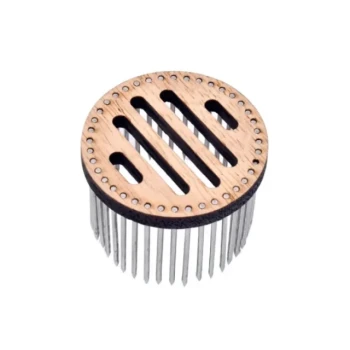
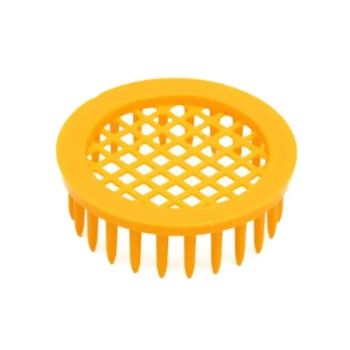
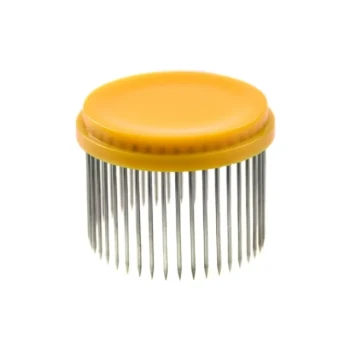
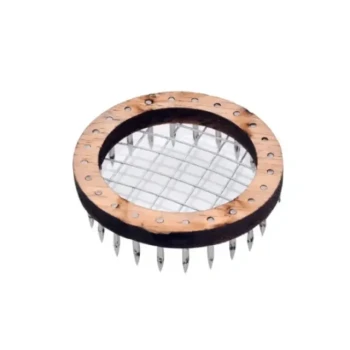
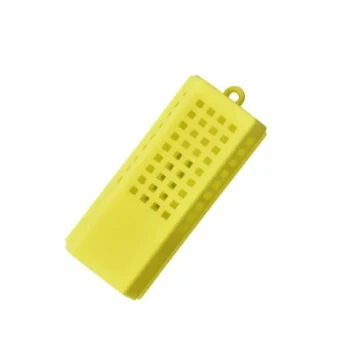
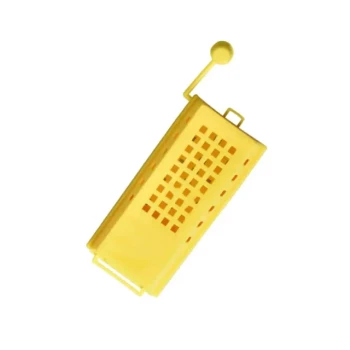
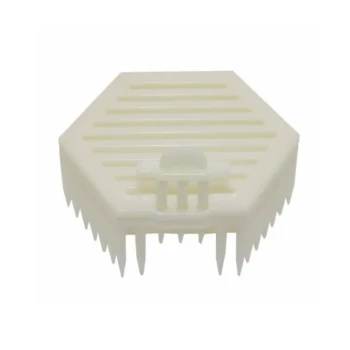
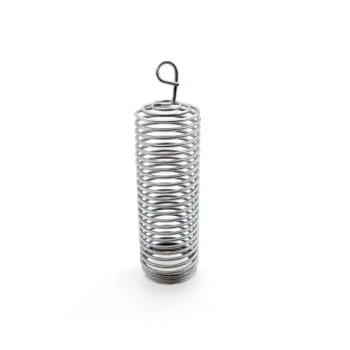
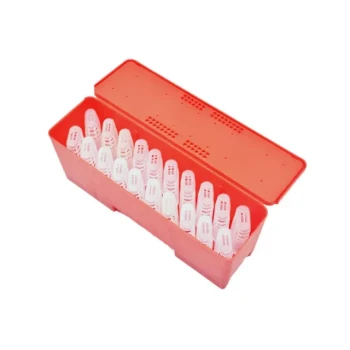
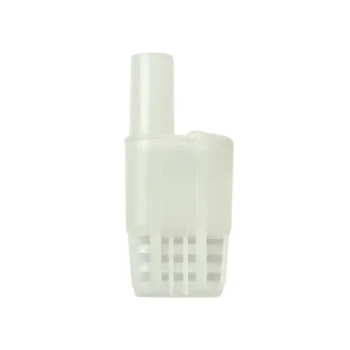
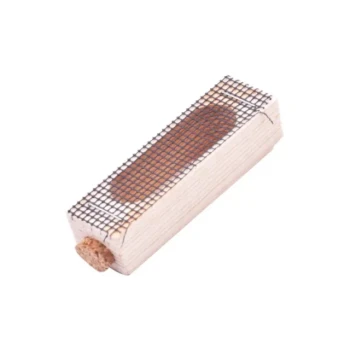
Push-in Cages function as precise exclusion devices designed to manipulate the interaction between worker bees and developing larvae. In nutrition experiments, different mesh sizes are selected to act as specific "gates": a 3mm mesh physically blocks worker bees to induce nutritional deprivation, while a 13mm mesh permits free entry and exit for normal feeding, serving as an experimental control.
Core Insight: The use of dual mesh sizes is not just about blocking or allowing access; it is a method of variable isolation. By keeping the cage structure constant but varying the mesh opening, researchers can ensure that observed differences are strictly due to nutrition, rather than the stress or physical presence of the cage itself.
The Mechanics of Access Control
The 3mm Mesh: Inducing Deprivation
To study the effects of malnutrition or starvation, researchers utilize a 3mm mesh specification.
This opening is small enough to act as an impermeable physical barrier to adult worker bees.
Because the workers cannot reach the larvae inside, this setup achieves artificial nutritional deprivation, isolating the larvae from their food source.
The 13mm Mesh: The Normal Feeding Control
To create a valid baseline for comparison, a 13mm mesh specification is employed.
This larger aperture allows worker bees to move freely through the barrier, tending to the larvae as they would naturally.
This setup ensures that the larvae receive normal feeding and care, preventing nutritional stress in the control group.
Controlling Experimental Variables
Eliminating the "Cage Effect" Bias
A critical aspect of this methodology is using cages for both the test and control groups.
If researchers only caged the deprived larvae and left the control larvae uncaged, they could not prove that the results were solely due to nutrition.
By using the 13mm mesh for the fed group, researchers maintain consistent physical coverage interference across all subjects, ensuring the cage itself is not a confounding variable.
Establishing a Nutritional Gradient
The combination of these two mesh sizes creates a distinct nutritional gradient.
On one end, you have total restriction (3mm); on the other, unrestricted access (13mm).
This allows for a precise comparative study between starved and nourished states within the same physical environment.
Understanding Experimental Limitations
The Reality of Physical Interference
While this method is precise, it is important to acknowledge that any physical barrier introduces a change to the hive environment.
The reference notes that the goal is to maintain "consistent physical coverage interference," implying that interference exists in both scenarios.
Mesh Size Sensitivity
The success of this experiment relies entirely on the precision of the mesh fabrication.
A deviation in the 3mm mesh could accidentally allow partial feeding, while a restriction in the 13mm mesh could unintentionally limit nurse bee traffic.
Designing Your Exclusion Study
To apply this methodology effectively, choose your mesh size based on the specific biological variable you intend to manipulate:
- If your primary focus is nutritional deprivation: Use the 3mm mesh to create a complete physical barrier that prevents worker bees from feeding the larvae.
- If your primary focus is establishing a control group: Use the 13mm mesh to replicate the physical presence of the cage while allowing normal worker traffic and feeding.
By standardizing the cage structure and varying only the mesh size, you transform a chaotic hive environment into a controlled laboratory setting.
Summary Table:
| Mesh Size | Function in Experiments | Biological Impact | Experimental Role |
|---|---|---|---|
| 3mm Mesh | Physical barrier to workers | Induced nutritional deprivation | Test Group (Variable) |
| 13mm Mesh | Free passage for workers | Normal feeding and larval care | Control Group (Baseline) |
Elevate Your Bee Research and Operations with HONESTBEE
Precision is the backbone of successful beekeeping, whether in the laboratory or the commercial apiary. HONESTBEE specializes in supporting commercial apiaries and distributors with a comprehensive range of high-quality wholesale beekeeping tools, machinery, and essential consumables.
From specialized hardware like hive-making and honey-filling machines to precise experimental tools and honey-themed cultural merchandise, we provide the full spectrum of equipment needed to scale your business.
Ready to upgrade your equipment? Contact us today to discuss our wholesale offerings and discover how our expertise can drive your success in the beekeeping industry.
References
- Ramesh R. Sagili, Carolyn R. Breece. Honey bees consider larval nutritional status rather than genetic relatedness when selecting larvae for emergency queen rearing. DOI: 10.1038/s41598-018-25976-7
This article is also based on technical information from HonestBee Knowledge Base .
Related Products
- Premium Wood and Steel Push In Queen Cage
- Durable Plastic Push In Queen Bee Cage
- Professional Round Push-In Queen Cage with Metal Tines
- Wood and Mesh Push-In Queen Cage
- JZBZ Push-In Queen Cell Cups for Beekeeping
People Also Ask
- What advantages do push-in queen cages offer? Boost Acceptance Rates for Artificially Inseminated Queens
- What is a push-in queen cage and how does it differ from a standard queen cage? Boosting Your Queen Acceptance Rates
- What is a push-in queen cage and how does it differ from standard cages? Achieve Higher Queen Acceptance Rates
- How can a beekeeper obtain a push-in queen cage? DIY vs. Professional Sourcing Guide
- When is a queen introduced with a push-in cage ready for full release? Key Signs for Maximum Colony Acceptance