Honeybee pollen traps function as diagnostic tools that utilize physical barriers to intercept pollen pellets carried by returning foragers. By collecting these samples, beekeepers and researchers can generate quantitative data regarding both the immediate availability of environmental resources and the foraging intensity of the specific colony.
Core Insight By analyzing the volume and type of captured pollen, you move beyond guesswork to evidence-based management. This data is the primary indicator for determining exactly when a colony requires artificial protein supplementation to maintain health.
The Mechanism of Monitoring
Physical Interception
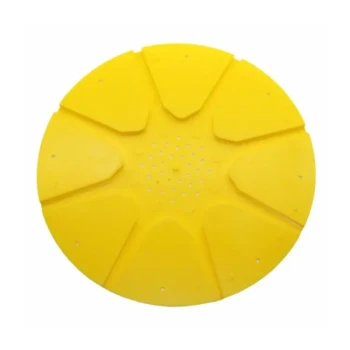
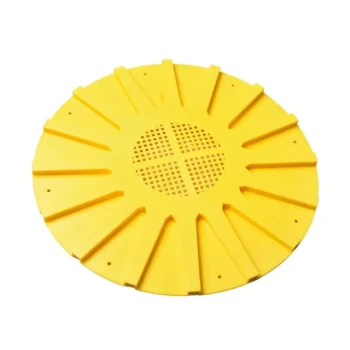
Pollen traps are installed at the hive entrance or bottom board. They employ a grid or screen that permits the honeybee to enter the hive but dislodges the pollen pellets attached to their hind legs.
Quantitative Analysis
The dislodged pellets fall into a collection tray, preserved for analysis. This allows for the precise measurement of pollen volume entering the hive over a set period, converting biological activity into hard data.
Assessing Environmental Resources
Tracking Natural Pollen Flow
The primary environmental utility of the trap is monitoring the timing of natural pollen flow. By observing when pollen collection spikes or drops, you can map local bloom cycles with high accuracy.
Evaluating Diversity
Beyond simple volume, the traps reveal the diversity of forage available. Variations in pellet color and type indicate whether the environment is providing a complex diet or a monoculture, which directly impacts colony nutrition.
Evaluating Colony Vitality
Measuring Foraging Activity
The volume of pollen captured serves as a direct proxy for the colony's foraging activity. A high volume of pollen indicates a robust workforce and a healthy, active queen stimulating the need for protein. Conversely, a sudden drop in collection—independent of environmental scarcity—can signal internal colony issues.
Guiding Nutritional Intervention
The most practical application of this data is determining the appropriate timing for artificial protein supplementation. If the trap data shows a decline in natural pollen intake below the colony's threshold for survival or growth, the beekeeper knows immediately to intervene with supplements to prevent population collapse.
Understanding the Methodological Context
Non-Destructive Evaluation
While not explicitly mentioned as a feature of the trap itself, it is important to note that pollen trapping is a form of monitoring that avoids opening the hive body.
Limitations of Scope
Pollen traps measure input, not necessarily internal storage or brood coverage. For a complete picture of colony strength (such as worker coverage or infestation levels), other methods like inspecting individual combs remain the standard for evaluating physical population density and resistance to pressure.
Making the Right Choice for Your Goal
When integrating pollen traps into your management strategy, consider your specific objective:
- If your primary focus is Environmental Research: Prioritize the analysis of pellet diversity and timing to map the ecological health and bloom cycles of the surrounding forage.
- If your primary focus is Colony Management: Focus strictly on the volume of pollen collected to identify resource gaps and trigger the immediate initiation of artificial protein supplementation.
Data derived from pollen traps bridges the gap between passive observation and active, timed nutritional management.
Summary Table:
| Monitoring Metric | Data Collection Method | Practical Application for Beekeepers |
|---|---|---|
| Pollen Volume | Physical interception of pellets | Triggers timely artificial protein supplementation |
| Forage Diversity | Analysis of pellet color/type | Evaluates environmental health and nutritional balance |
| Bloom Timing | Tracking collection spikes/drops | Maps local floral cycles for better seasonal planning |
| Foraging Intensity | Measurement of daily input | Serves as a diagnostic tool for queen and colony vigor |
Maximize Your Apiary's Productivity with HONESTBEE
Transition from guesswork to evidence-based beekeeping with professional-grade equipment. HONESTBEE provides commercial apiaries and distributors with high-performance pollen traps, hive-making machinery, and essential industry consumables designed for precision monitoring and efficiency.
Whether you are scaling your honey production or supplying the next generation of beekeepers, our comprehensive wholesale portfolio offers everything from honey-filling machines to specialized hardware. Partner with us to secure the tools your business needs to thrive.
Contact us today to discuss your wholesale needs
References
- Michael Peirson, Stephen F. Pernal. The effects of protein supplementation, fumagillin treatment, and colony management on the productivity and long-term survival of honey bee (Apis mellifera) colonies. DOI: 10.1371/journal.pone.0288953
This article is also based on technical information from HonestBee Knowledge Base .
Related Products
- HONESTBEE Professional Telescopic Pole Bee Swarm Catcher
- Removable Plastic Pollen Trap With Ventilated Tray for Bees Pollen Collector
- 30 cm Plastic Entrance Hole Bee Pollen Trap and Collector
- HONESTBEE Collapsible Tiered Bee Swarm Catcher for Beekeeping
- Plastic Bee Pollen Trap Strips Comb Catcher Collector
People Also Ask
- What should be done if the swarm is situated on the bottom of a tree limb? A Guide to Methodical Bee Capture
- What role do swarm catchers play in maintaining the production scale of an apiary? Turn Colony Loss into Growth.
- What information should be gathered before attempting to catch a swarm of bees? A Safe and Successful Guide
- What precautions can be taken to prevent a newly captured swarm from absconding? Secure Your Swarm with Proven Methods
- What role does a Swarm Catcher play in the process of expanding apiary colony scale? Optimize Growth & Reduce Costs