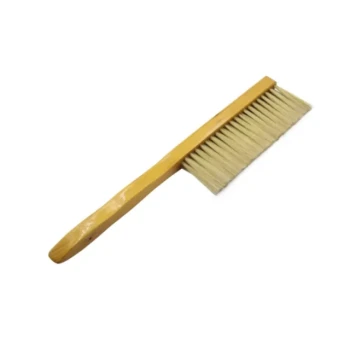
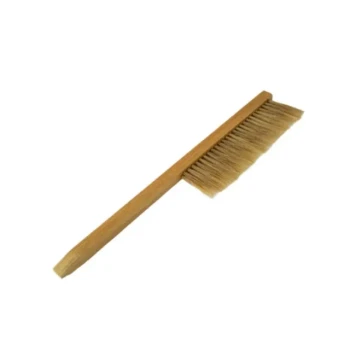
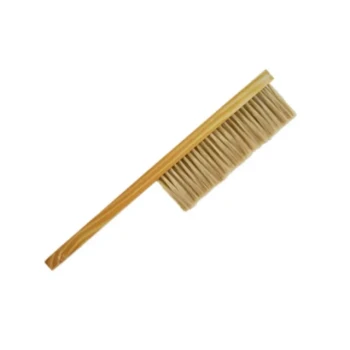
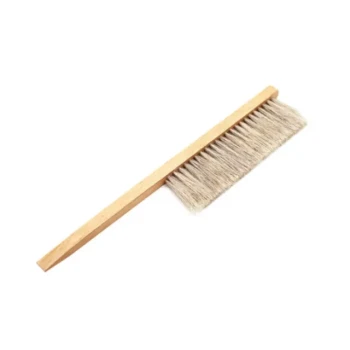
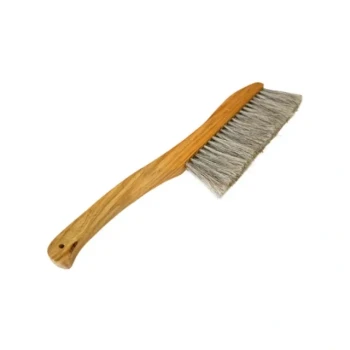
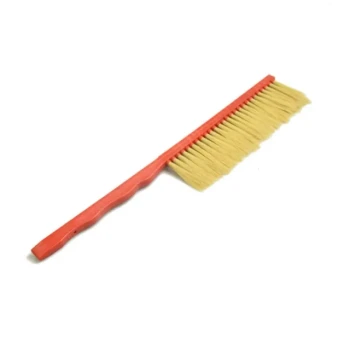
The primary function of a Bee Brush is to manually and gently remove worker bees from honey-filled frames immediately prior to extraction. It serves as a precise clearing tool, utilizing soft bristles to sweep bees back into the hive or a collection box without harming the insects or damaging the delicate wax cappings on the honeycomb.
Core Takeaway The Bee Brush balances harvest efficiency with colony welfare. Its specific purpose is to ensure honey frames are entirely free of insects before entering the processing stage, guaranteeing product purity while preserving the physical health and calm of the bee workforce.
Ensuring Product Purity
Eliminating Contaminants
The most immediate operational goal of the bee brush is to ensure the material entering the extraction stage is free of live bees.
If bees remain on the frame during dehydration or spinning, they can end up in the final product.
Proper brushing prevents the contamination of raw honey with insect parts or fluids, ensuring the final harvest meets high hygiene and quality standards.
Preserving Wax Cappings
According to the primary technical data, the brush is specifically designed to interact safely with wax cappings.
These cappings seal the honey cells; if they are punctured roughly during bee removal, honey will leak prematurely.
The soft bristles allow the operator to clear the surface without rupturing these seals, keeping the honey contained until it reaches the uncapping tank.
Protecting Colony Assets
Preventing Physical Injury
The bee brush features soft, often elastic bristles specifically engineered to minimize physical trauma.
Standard brushes or makeshift tools can crush or "roll" bees across the comb, causing crippling injuries to their wings or legs.
By using a specialized soft brush, you preserve the vitality of the colony workforce, ensuring they remain healthy enough to continue foraging and hive maintenance after the harvest.
Managing Aggression Levels
Gentle separation is critical for maintaining a safe harvesting environment.
Rough handling triggers alarm pheromones, which can cause the colony to become defensive and aggressive toward the beekeeper.
A proper brushing technique sweeps bees away fluidly, preventing the agitation that leads to stinging and ensuring the operation remains calm and controlled.
Understanding the Trade-offs
The Risk of Over-Agitation
While designed to be gentle, the bee brush is still a mechanical interference that can irritate bees if used incorrectly.
Brushing upwards (against the grain of the bees) makes them angry and increases the likelihood of rolling them.
Efficiency Limitations
The bee brush is a manual, frame-by-frame tool.
For large commercial operations with hundreds of hives, relying solely on brushing can be labor-intensive compared to bulk clearing methods like fume boards or blowers.
It is best utilized for precision work, small-scale harvesting, or as a final cleanup step after other clearing methods.
Making the Right Choice for Your Goal
To maximize the utility of a Bee Brush, you must align its use with your specific harvesting scale and priorities.
- If your primary focus is product quality: Use the brush as a final check to ensure zero bees enter the extractor, guaranteeing the highest purity.
- If your primary focus is colony health: Rely on the brush's soft bristles to clear frames without crushing bees, preserving your workforce for the coming winter.
The Bee Brush is the definitive tool for the beekeeper who prioritizes precision and animal welfare over raw speed.
Summary Table:
| Feature | Purpose | Benefit |
|---|---|---|
| Soft Bristles | Gentle bee removal | Prevents injury to worker bees and preserves wax cappings |
| Manual Clearing | Precision cleaning | Ensures honey frames are 100% bee-free before extraction |
| Controlled Motion | Minimal agitation | Reduces alarm pheromones and keeps the colony calm |
| Hygiene Support | Contaminant prevention | Guarantees high-quality honey free of insect parts |
Elevate Your Honey Production with HONESTBEE
At HONESTBEE, we specialize in empowering commercial apiaries and distributors with high-performance beekeeping solutions. Whether you need precision tools like ergonomic bee brushes or industrial-grade honey-filling machines and hive-making equipment, our comprehensive wholesale portfolio is designed to maximize your efficiency.
Why partner with HONESTBEE?
- Full Spectrum Supply: From essential consumables to advanced machinery.
- Quality Focused: Tools designed to preserve colony health and honey purity.
- Wholesale Expertise: Tailored support for large-scale operations and global distributors.
Ready to scale your beekeeping business? Contact us today to explore our wholesale offerings and discover how our expertise can streamline your harvest.
References
- Sisay Fikru, Gebremedhin Gebresilassie. Assessment of Beekeeping Practices (Absconding, Bee Forage and Bee Diseases and Pests) in Jigjiga Zone, Somali Regional State of Ethiopia. DOI: 10.4172/2375-446x.1000135
This article is also based on technical information from HonestBee Knowledge Base .
Related Products
- Wooden Bee Brush with Triple Row Artificial Fiber for Beekeeping
- Classic Wooden Bee Brush with Double-Row Boar Bristles
- Double Row Artificial Fiber Bee Brush for Beekeeping
- Wooden Bee Brush with Double-Row Horsehair Bristles
- Premium Triple-Row Horsehair Bee Brush
People Also Ask
- What is the specific function of a bee brush? Ensure Pure Harvests and Colony Welfare During Honey Extraction
- What are the key characteristics of the bristles on a bee brush? Master Gentle and Efficient Bee Removal
- What is the purpose of using a bee brush during the inspection of hive components? Safe & Precise Hive Management
- What problem does a bee brush solve? Protect Your Colony with Gentle Precision Tools
- Why is a bee brush necessary when extracting honeybee hive frames that contain larvae? Protect Your Brood and Colony