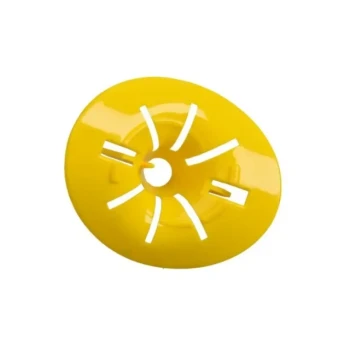
Pollen traps serve as precise exclusion mechanisms used to manipulate the nutritional intake of a honey bee colony for research purposes. By physically restricting the amount of pollen foraging bees can bring into the hive, these devices allow scientists to artificially induce a protein-deficient environment. This controlled scarcity enables the direct measurement of how nutritional stress degrades specific physiological traits in drone bees, including body mass and reproductive viability.
By functioning as a throttle for colony protein levels, pollen traps allow researchers to move beyond observation and actively simulate environmental stress. This reveals the causal link between resource scarcity and the biological failure of male bees.
Creating an Artificial Deficit
To understand the impact of nutrition on drones, researchers must first control the variables. Pollen traps are the primary tool for isolating the variable of protein intake.
Restricting the Protein Supply
Pollen is the sole natural protein source for a honey bee colony.
When a pollen trap is installed, it strips pollen pellets from the legs of returning foragers. This creates a quantifiable shortage within the hive, forcing the colony to ration resources.
Inducing Nutritional Stress
The goal is not necessarily to starve the colony, but to create a specific "stress pattern."
By limiting availability, the colony enters a state of artificial protein deficiency. This mimics natural environmental dearths, allowing researchers to observe how the colony prioritizes—or neglects—drone development when resources are tight.
Measuring Reproductive Decline
Once the protein-deficient environment is established, researchers focus on three critical metrics identified in the primary literature. These indicators reveal the severity of the impact on drone health.
Impact on Physical Mass
The first measurable impact is often drone body weight.
Without adequate protein during development, drones fail to reach their optimal physical size. Lighter drones suggest a lack of structural resources required for flight and mating endurance.
Reduction in Semen Volume
Nutritional stress attacks the drone's reproductive system directly.
Researchers utilize these traps to observe correlations between low pollen intake and reduced semen volume. This metric is critical because it determines the drone's potential genetic contribution to a queen.
Probability of Functional Failure
Perhaps the most critical metric is the probability of successful ejaculation.
Even if a drone reaches maturity, nutritional deficits can impair the physiological mechanisms required for mating. The use of pollen traps has shown that protein stress significantly lowers the likelihood that a drone can successfully perform this terminal act.
Understanding the Trade-offs
While pollen traps are essential "consumables" for this type of research, their use involves specific considerations regarding colony health.
The Risk of Colony Weakness
The primary trade-off is the potential for broader colony degradation.
Restricting pollen impacts not just drones, but the rearing of worker brood as well. Researchers must carefully calibrate the duration of trapping to stress the drones without causing total colony collapse.
Artificial vs. Natural Scarcity
A trap creates a mechanical shortage, which is a proxy for environmental shortage.
While effective, this is a simulated environment. It isolates the variable of pollen quantity, but may not perfectly replicate the complex nutritional nuance of low-quality pollen vs. no pollen.
Implications for Research and Management
Understanding the data derived from pollen trap studies helps clarify the relationship between resource management and breeding success.
- If your primary focus is Colony Breeding: Ensure unrestricted pollen access, as even minor protein deficits can compromise drone body weight and semen volume.
- If your primary focus is Stress Research: Utilize pollen traps to simulate dearth conditions and quantify the threshold at which drone reproductive failure begins.
Ultimately, the use of pollen traps proves that adequate protein is not merely for survival, but is the fundamental requirement for male reproductive competence in the hive.
Summary Table:
| Research Metric | Impact of Protein Deficiency | Significance for Drone Health |
|---|---|---|
| Body Mass | Significant reduction in weight | Decreases flight endurance and mating vigor |
| Semen Volume | Lower volume production | Limits genetic contribution to the queen |
| Mating Success | Lower probability of ejaculation | Results in terminal physiological failure |
| Colony State | Artificial protein scarcity | Mimics natural dearth to test survival thresholds |
Elevate Your Apiary Performance with HONESTBEE
At HONESTBEE, we empower commercial apiaries and distributors with the high-performance tools and machinery needed for successful bee management and research. From specialized honey-filling and hive-making machines to a comprehensive range of beekeeping consumables, our wholesale offerings are designed to maximize your operational efficiency and breeding success.
Ready to scale your beekeeping business? Contact us today to explore our full spectrum of professional equipment and discover how our expertise can support your growth.
References
- Juliana Rangel, Adrian Fisher. Factors affecting the reproductive health of honey bee (Apis mellifera) drones—a review. DOI: 10.1007/s13592-019-00684-x
This article is also based on technical information from HonestBee Knowledge Base .
Related Products
- Removable Plastic Pollen Trap With Ventilated Tray for Bees Pollen Collector
- 30 cm Plastic Entrance Hole Bee Pollen Trap and Collector
- Plastic Bee Pollen Trap Strips Comb Catcher Collector
- High-Efficiency Diamond Maze Bee Escape for Clearing Supers
- Professional Bucket Style Wasp and Moth Pheromone Trap
People Also Ask
- What are the design principles and advantages of pollen traps in the collection of bee pollen? Boost Your Apiary Yield
- What is the function of professional pollen traps in evaluating honey plants? Quantifying Pollination and Crop Potential
- What functions do pollen traps serve for bee bread production? Optimize Your Raw Material Collection
- What maintenance and pest prevention measures should be taken for pollen traps? Protect Your Hive and Harvest Quality
- How does the use of pollen traps in honeybee hives enhance crop fertilization? Boost Your Yield Through Induced Activity