Sticky boards function as a standardized diagnostic instrument within Integrated Pest Management (IPM) protocols for honeybee colonies. They are primarily used to monitor the natural drop rate of Varroa destructor mites, providing the concrete data necessary to assess infestation levels and determine if a colony has reached a critical threshold requiring intervention.
By capturing fallen mites on an adhesive surface, sticky boards transform vague observations into quantifiable data. This allows beekeepers to move beyond guesswork, applying chemical or biological treatments only when specific infestation thresholds are met.
The Role of Sticky Boards in IPM Strategy
Establishing Infestation Thresholds
The primary function of a sticky board is to provide a scientific basis for decision-making. By calculating the daily mite drop rate, you can determine the severity of the infestation.
This data is compared against established economic thresholds. If the count remains below the threshold, treatment is withheld; if it exceeds it, chemical or biological control measures are implemented immediately.
Evaluating Treatment Efficacy
Sticky boards are essential for verifying that a chosen intervention actually worked. By monitoring mite drop during or after a treatment, you can quantify the mortality rate of the parasite.
This is often done in combination with miticide strips or other agents that force mites to detach. A spike in the mite count on the board confirms the treatment is actively reducing the pest population.
Passive vs. Active Monitoring
Sticky boards facilitate two types of diagnostics. Passive monitoring measures the natural death rate of mites over a standard period (typically 24 to 72 hours) without disturbing the hive.
Active monitoring involves using the board in conjunction with a "knock-down" agent. This provides a snapshot of the total mite load rather than just the natural mortality rate.
Mechanics and Configuration
The Adhesive Mechanism
Accuracy depends on retention. The boards utilize a sticky substance or an oil layer to create a physical trap.
This adhesive force ensures that mites dislodged by air currents, hive ventilation, or bee activity remain fixed to the collection area. It prevents mites from crawling back onto host bees or being blown away, ensuring the count represents the true drop rate.
Screened Separation
To function correctly, sticky boards are often used with a screen or mesh barrier (a "screened bottom board"). This mesh allows mites to fall through but prevents worker bees from accessing the board.
Without this separation, hygienic bees would clean the board and remove the dead mites, corrupting the data and leading to an underestimation of the infestation.
Standardized Counting Grids
Industrial-grade boards typically feature a printed black-and-white grid. This design allows technicians to systematically scan the surface and accurately tally the mites.
This standardization is critical for calculating the "natural mite fall rate," a metric used to estimate the total mite population residing within the colony.
Understanding the Trade-offs
Correlation vs. Absolute Count
A sticky board count measures mite drop, not the total mite population. While high drop rates correlate with high infestation, it is an indirect metric that requires interpretation based on the season and colony size.
Environmental Interference
While the adhesive helps, external factors can still impact data integrity. In extremely high wind or if the adhesive dries out, mites can be lost.
Additionally, if the screen barrier is insufficient, ants or other scavengers may consume the mites on the board before they can be counted, leading to a false sense of security.
Making the Right Choice for Your Goal
To effectively utilize sticky boards in your IPM strategy, align your usage with your specific objective:
- If your primary focus is Routine Monitoring: deploy the board for 24 to 72 hours under a screen to calculate the natural daily drop rate and compare it to seasonal thresholds.
- If your primary focus is Treatment Verification: install the board immediately after applying a miticide or biological control to confirm the agent is successfully dislodging mites.
- If your primary focus is Pest Load Estimation: use an "active" method with a knock-down strip and a sticky board to obtain a snapshot of the total phoretic mite population.
Consistent monitoring with sticky boards replaces assumption with evidence, ensuring your interventions are both timely and justified.
Summary Table:
| IPM Function | Method | Objective |
|---|---|---|
| Passive Monitoring | 24-72 hour natural drop count | Calculate daily infestation rates and establish thresholds |
| Active Monitoring | Use with knock-down agents | Estimate total phoretic mite load in the colony |
| Efficacy Testing | Post-treatment mite tally | Verify the success and mortality rate of miticide applications |
| Data Accuracy | Adhesive surface & mesh screen | Prevent mite escape and interference from hygienic bee cleaning |
Maximize Your Apiary Productivity with HONESTBEE
Protecting your colonies from Varroa destructor requires more than just observation—it requires industrial-grade precision. HONESTBEE empowers commercial apiaries and distributors with a complete spectrum of professional beekeeping solutions.
From standardized monitoring tools to advanced honey-filling machinery and specialized hive-making equipment, we provide the hardware and consumables necessary to scale your operations and maintain hive health. Whether you are stocking essential industry consumables or expanding your honey-themed cultural merchandise, our wholesale offerings are designed to enhance your efficiency and profitability.
Ready to upgrade your beekeeping equipment? Contact us today to explore our full wholesale portfolio!
References
- Yamina Haider, Nizar Haddad. Beekeeping in Algeria: evaluation of beekeeping practices, trends of management, and challenges. DOI: 10.18697/ajfand.138.23705
This article is also based on technical information from HonestBee Knowledge Base .
Related Products
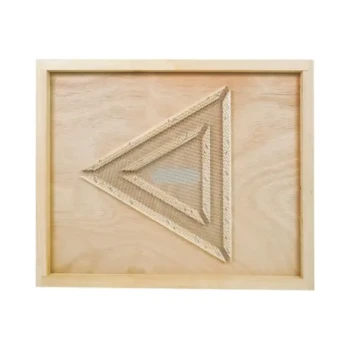
- HONESTBEE Wooden Bee Escape Board with Triangle Mesh Design for Beekeeping
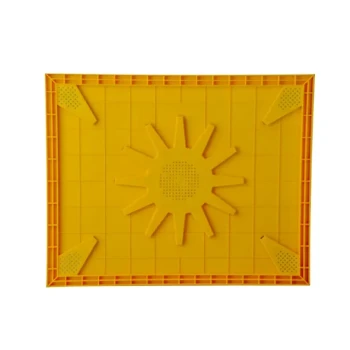
- HONESTBEE Multi Exit Plastic Bee Escape Board for Efficient Honey Harvesting
- Langstroth Solid Bottom Board for Beekeeping
- Solid Bottom Board Australian Pine Wood Langstroth Bottom Board for Wholesale
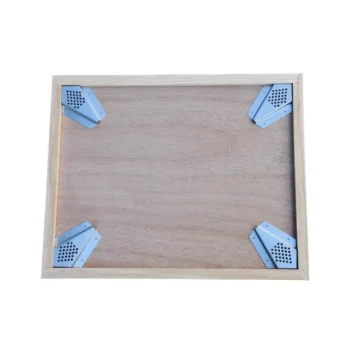
- HONESTBEE 4-Way Metal Corner Wooden Bee Escape Board
People Also Ask
- How is a bee escape board used to clear a hive body for honey harvesting? Optimize Your Chemical-Free Harvest
- What is a bee escape board and what problem does it solve? Simplify Your Honey Harvest with Passive Clearing
- How is a bee escape board used and how does it function? Master This Gentle Honey Harvesting Tool
- What are the proper steps for using a bee escape board for honey harvesting? Master the Passive Clearing Technique
- What tools and methods are used to clear honey bees from honey supers? Efficient Harvesting for Commercial Beekeepers