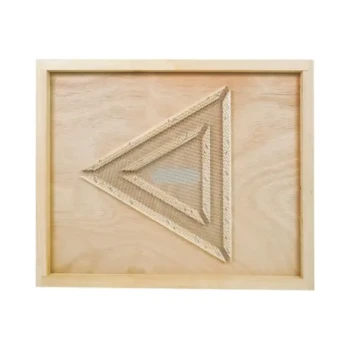
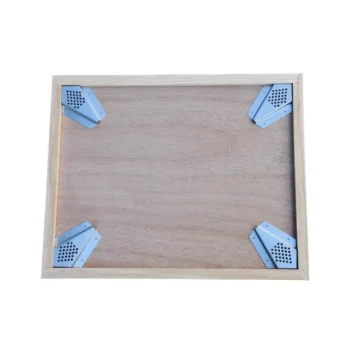
Wooden bottom boards are engineered for longevity, typically assembled using a robust combination of glue, staples, and nails. This specific fastening method is chosen to ensure the base provides maximum durability and can support the significant weight of a fully active colony.
While the physical assembly relies on a trio of fasteners to ensure structural integrity, the functional construction varies between solid designs for insulation and screened designs for ventilation and pest monitoring.
The Fundamentals of Assembly
Fastening for Strength
The primary method for constructing these boards involves a redundant fastening system. Builders utilize glue, staples, and nails together rather than relying on a single connection type.
Durability Considerations
This triple-threat assembly method is critical because the bottom board acts as the foundation for the entire hive. It must withstand outdoor elements and the heavy load of honey supers without separating or warping.
Structural Designs and Functionality
Solid Bottom Construction
A solid bottom board is constructed as a continuous wooden floor. This design creates a fully enclosed base that seals the hive from underneath.
It is specifically built to provide insulation and act as a shield against cold wind chill, making it a traditional choice for retaining hive warmth.
Screened Bottom Construction
The screened bottom board replaces the solid wood floor with a durable wire mesh screen. This construction often includes tracks or slots to hold a removable sticky board.
This design modification allows for increased ventilation and serves a critical role in pest management. Beekeepers use the insert to perform Varroa Mite counts effectively.
Understanding the Trade-offs
Thermal Regulation vs. Airflow
The construction of a solid board excels at protecting the colony during harsh winters by eliminating drafts. However, this same construction limits airflow during hot summer months, potentially leading to overheating.
Pest Monitoring Capabilities
Screened boards offer a distinct mechanical advantage for monitoring hive health. The open mesh construction allows mites to fall through onto the sticky board for counting.
Conversely, a solid board construction lacks this integrated diagnostic tool. It requires the beekeeper to use other methods to assess mite levels, as debris simply accumulates on the hive floor.
Making the Right Choice for Your Goal
Selecting the right bottom board construction depends largely on your local climate and your pest management strategy.
- If your primary focus is maximum insulation: Choose a solid bottom board to protect the colony from severe cold and wind chill.
- If your primary focus is pest management: Choose a screened bottom board to facilitate easy ventilation and accurate Varroa Mite monitoring.
The best construction is the one that aligns with your specific environmental challenges and beekeeping philosophy.
Summary Table:
| Feature | Solid Bottom Board | Screened Bottom Board |
|---|---|---|
| Fastening Method | Glue, Staples & Nails | Glue, Staples & Nails |
| Core Material | Continuous Wood Floor | Wire Mesh Screen |
| Primary Function | Insulation & Wind Protection | Ventilation & Pest Monitoring |
| Best For | Harsh Winters & Draft Prevention | Varroa Mite Counts & Hot Climates |
| Load Capacity | High / Heavy Hive Support | High / Reinforced Design |
Scale Your Apiary Operations with HONESTBEE
At HONESTBEE, we understand that the foundation of a healthy colony starts with high-quality equipment. As a leading supplier for commercial apiaries and distributors, we provide a comprehensive wholesale range of beekeeping tools, specialized hive-making machinery, and essential industry consumables.
Whether you need precision-engineered bottom boards or automated honey-filling machines, our professional-grade hardware is designed to withstand the demands of large-scale honey production. Enhance your inventory and boost your operational efficiency with our expert solutions.
Ready to elevate your beekeeping business? Contact us today to discuss your wholesale needs!
Related Products
- Solid Bottom Board Australian Pine Wood Langstroth Bottom Board for Wholesale
- Australian Pine Wood Langstroth Screen Bottom Board for Wholesale
- Langstroth Solid Bottom Board for Beekeeping
- HONESTBEE Wooden Bee Escape Board with Triangle Mesh Design for Beekeeping
- Langstroth Screen Bottom Board for Beekeeping Wholesale
People Also Ask
- In what conditions is a solid bottom board preferred over a screened bottom board? Maximize Hive Heat and Treatment
- What are the characteristics of a solid bottom board? A Guide to Hive Foundation & Climate Control
- What is the primary function of a solid bottom board on a beehive? Key Benefits for Hive Stability and Insulation
- What is the primary function of a solid bottom board? Essential Thermal Insulation for Cold Climate Beekeeping
- How is the wood of the solid bottom board treated to enhance its durability? Discover the 100% Beeswax Dipping Secret