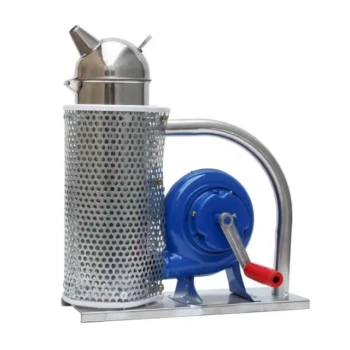
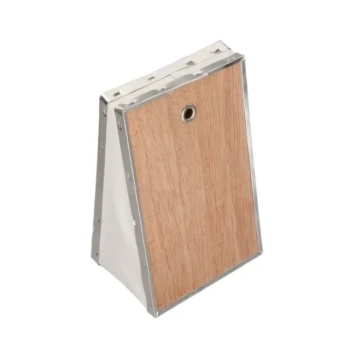
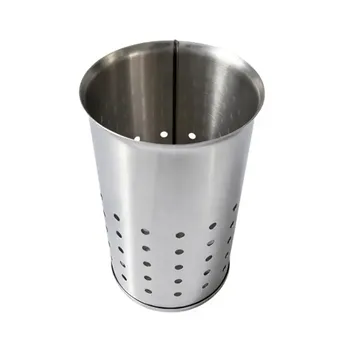
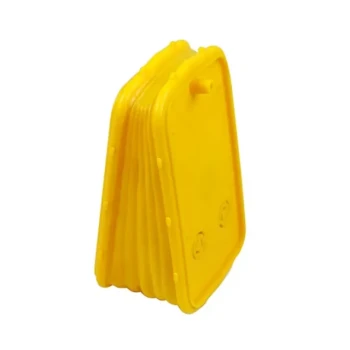
To produce large quantities of cool, thick smoke, you must prioritize the arrangement of fuel inside the fire pot. Specifically, you need to establish a bed of hot coals directly above the grate and then place your unburned fuel materials on top of these coals. This configuration forces the rising smoke to filter through the cool, unburned material, thickening it and lowering its temperature before it exits the nozzle.
The secret to safe hive management is maintaining a smolder rather than an open flame. By layering unburned fuel over a hot base, you create a natural filter that cools the smoke and increases its density, preventing injury to the bees.
The Core Principle: Bottom-Up Combustion
The Importance of the Coal Base
According to the primary technical guidelines, the foundation of a good smoker is the heat source. You must ensure that hot coals are established just above the grate at the bottom of the fire chamber.
Layering the Unburned Fuel
Once the coals are ready, the key step is to place unburned fuel materials directly on top of them. As the heat rises, it slowly consumes this upper layer from the bottom up.
The Cooling Effect
This layering technique ensures that the smoke produced by the coals passes through the mass of cool fuel above. This process strips away heat and adds particulate matter, resulting in the desired thick, white cloud.
Step-by-Step Packing and Lighting
Starting the Fire
Begin by lighting a starter material, such as crumpled paper, cardboard, or a shop towel, at the bottom of the empty chamber. Use a match or lighter to ignite this material directly on the grate.
Building the Flame
Once the starter is lit, add fast-burning kindling like wood shavings or pine needles. Use the bellows gently—avoiding strong puffs that might extinguish the weak flame—to encourage the fire until it is established.
Compressing and Filling
When flames are roaring at the top, use a hive tool to compress the material down to about the halfway point of the chamber. Immediately fill the remaining space with your main fuel source (such as pine straw or wood chips) and close the lid before open flames burst through again.
Adding a Final Cooling Layer
To further ensure the smoke remains cool, you can place a handful of green grass or fresh vegetation on the very top of the fuel stack. This acts as a moisture barrier that cools the smoke and catches stray sparks.
Managing Airflow with the Bellows
Initial Oxygen Supply
During the lighting phase, gently pump the bellows to feed oxygen to the starter material. This helps transition the fire from a fragile flame to a robust bed of coals.
Generating Volume
Once the smoker is packed and the lid is closed, pump the bellows vigorously. This sudden influx of air pushes through the bottom coals and drives thick white smoke up through the unburned fuel and out the nozzle.
Common Pitfalls to Avoid
Avoiding "Dragon's Breath"
If you pump the bellows too aggressively without enough unburned fuel on top, you may shoot sparks or flames out of the nozzle. This indicates the fire is too hot and can singe the bees' wings.
The Danger of Loose Packing
If the fuel is not compressed or "packed" down, oxygen will flow too freely, causing the fuel to burn up rapidly. A loose pack leads to hot smoke and a short burn time; a tight pack promotes a long, cool smolder.
Making the Right Choice for Your Goal
To adapt your smoker usage to your specific apiary needs, consider the following adjustments:
- If your primary focus is extending burn time: Add dense supplemental fuels, such as dried pinecones, to your primary fuel source to prolong the smoldering duration.
- If your primary focus is maximum safety and cooling: Top off your fuel load with a layer of green grass or fresh leaves to act as a spark arrestor and smoke cooler.
Mastering the balance between airflow and fuel compression is the definitive skill that separates a functional smoker from an effective tool.
Summary Table:
| Step | Action | Purpose |
|---|---|---|
| 1. Foundation | Establish hot coals at the bottom grate | Provides a consistent heat source |
| 2. Layering | Add unburned fuel (pine straw/wood chips) | Filters and cools smoke as it rises |
| 3. Compression | Pack fuel tightly with a hive tool | Slows burn rate and prevents open flames |
| 4. Cooling | Top with green grass or fresh vegetation | Acts as a moisture barrier and spark arrestor |
| 5. Airflow | Use bellows vigorously once packed | Drives high-volume, dense smoke output |
Elevate Your Apiary Operations with HONESTBEE
At HONESTBEE, we understand that professional beekeeping requires precision tools that perform under pressure. Whether you are managing a large-scale commercial apiary or operating as a regional distributor, we provide the comprehensive wholesale solutions you need to succeed.
Our portfolio includes everything from high-performance bee smokers and protective gear to advanced honey-filling machines and hive-making equipment. We also supply a wide array of essential industry consumables and unique honey-themed cultural merchandise to help your brand stand out.
Partner with HONESTBEE today for reliable, professional-grade beekeeping supplies.
Related Products
- Stainless Steel Honey Bee Smoker Hive and Honeycomb Smoker for Beekeeping
- Professional Bee Smoker with Elongated Spout and Durable Bellows for Beekeeping
- Premium Traditional Copper Bee Smoker with Bellows
- Heavy Duty Manual Bee Smoker Blower for Beekeeping
- European Stainless Steel Bee Smoker for Honey Bee Hive
People Also Ask
- What are bee smokers made out of? Choose the Right Material for Your Apiary
- What type of bee smoker is recommended for a beginner? Top Picks for Easy Hive Management
- Why is a stainless steel bee smoker considered indispensable? Master Hive Management with Cool Smoke Technology
- How do bee smokers and colored light sources work together to assist in night-time honey harvesting? Expert Strategies
- What is the best material for a bee smoker? Choose the Right Fuel for a Calm Hive