To locate a queen using an excluder, you must utilize her size as a filter to narrow down her location. Place the queen excluder between two hive bodies and leave the hive undisturbed for three days. When you return to inspect the frames, the presence of freshly laid eggs in one specific hive body will confirm which section the queen is confined to, effectively halving your search area.
By effectively partitioning the hive, the queen excluder turns a visual search into a logical deduction; you no longer need to spot the queen immediately, but simply identify the evidence of her recent activity.
The Mechanics of Exclusion
The Physical Barrier
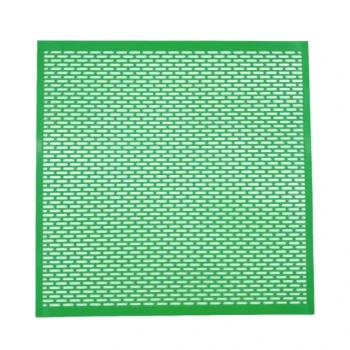
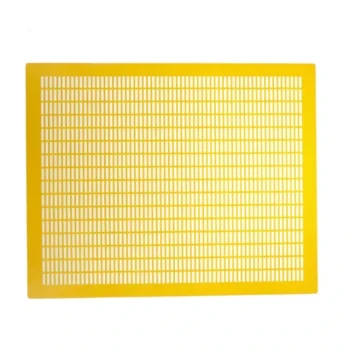
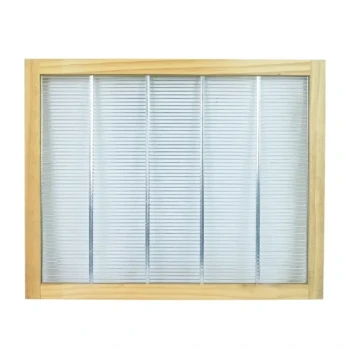
A queen excluder is a grid made of metal or plastic with precisely spaced openings. These slits are sized specifically to allow smaller worker bees to pass through freely while blocking the larger abdomen of the queen.
Confining the Queen
Because the queen cannot pass through the mesh, she is physically restricted to the section of the hive where she was located when the device was installed. This separates the colony into two distinct zones: one with the queen and one without.
Drone Restriction
It is important to note that drones (male bees) are also larger than worker bees. Like the queen, they will be unable to pass through the excluder and will be confined to their respective section during this process.
The Three-Day Method
Installation Strategy
To begin the process, place the queen excluder between two deep hive bodies (brood boxes). Ensure the boxes are stacked directly on top of one another with the excluder acting as the divider.
The Waiting Period
Close the hive and allow it to operate normally for three days. This duration is critical because it allows the queen enough time to lay a noticeable pattern of fresh eggs in her confined area.
Inspecting for Evidence
After three days, open the hive and inspect the combs in both bodies. You are looking specifically for fresh eggs.
Pinpointing the Location
The hive body containing new eggs is the one holding the queen. Once identified, you can remove the other box and focus your visual search entirely on the section with the fresh brood.
Understanding the Trade-offs
Hive Disturbance
While effective for finding the queen, this method requires opening the hive twice: once to install the excluder and once to inspect. Unnecessary inspections can disrupt the colony's temperature and workflow.
Drone Entrapment
Because drones cannot pass through the excluder, those trapped in the upper box may be unable to exit to cleanse or mate. For a short three-day period, this is generally manageable, but it is a factor to consider.
Colony Strength Requirements
This technique assumes a colony large enough to occupy two hive bodies. Supplementary data suggests excluders should generally be used on strong, populous hives to avoid inhibiting hive traffic and resource distribution.
Making the Right Choice for Your Goal
If your primary focus is locating an elusive queen: Use the separation method described above to isolate her into a single box based on the presence of fresh eggs.
If your primary focus is honey production: Place the excluder above the uppermost brood box and below the honey supers to ensure the honey harvest remains free of brood.
If your primary focus is queen rearing: Use a screen excluder to separate the queen from developing queen cells, protecting them from attack while allowing nurse bees to feed them.
Mastering the use of the queen excluder transforms it from a simple barrier into a sophisticated diagnostic tool for hive management.
Summary Table:
| Feature | Search Method Application | Honey Production Application |
|---|---|---|
| Placement | Between two brood boxes | Above brood boxes, below supers |
| Mechanism | Isolates queen by physical size | Keeps brood out of honey frames |
| Wait Time | 3 days for egg evidence | Permanent during nectar flow |
| Key Benefit | Halves the search area | Ensures clean, pure honey harvest |
| Target | Finding an elusive queen | Commercial honey quality |
Elevate Your Beekeeping Efficiency with HONESTBEE
Whether you are a commercial apiary manager or a large-scale distributor, HONESTBEE is your premier partner for professional-grade beekeeping solutions. We provide a comprehensive wholesale catalog including high-precision metal and plastic queen excluders, hive-making machinery, and honey-filling equipment designed for industrial durability.
From essential consumables to specialized hardware and honey-themed cultural merchandise, we help you optimize colony management and maximize production yields. Contact us today to discuss how our full-spectrum equipment supply can strengthen your operations and grow your business!
Related Products
- High Performance Plastic Queen Excluder for Beekeeping and Apiary Management
- Professional Plastic Queen Excluder for Modern Beekeeping
- Lightweight Durable Plastic Queen Excluder Scraper for Beekeeping
- Metal Queen Bee Excluder for Beekeeping
- Premium Wood Framed Metal Wire Queen Bee Excluder
People Also Ask
- What are the characteristics of a plastic queen excluder? Key Benefits for Cost-Effective Beekeeping
- What are the operational and cost advantages of using plastic queen excluders over metal or wire excluders in commercial hive management? Discover how they reduce labor, prevent wing damage, and lower total costs.
- What types of queen excluders are available for beekeepers? Choose the Right Tool for Your Hive
- Why are standardized hive frames and queen excluders essential for maintaining honey purity and quality? Scale Your Purity
- Do plastic queen excluders work? A Cost-Effective Solution for Modern Apiaries