Improving technical proficiency in beekeeping requires a disciplined approach that combines rigorous preparation with precise physical handling. To conduct effective inspections, you must ensure all critical tools are ready before approaching the hive and utilize specific techniques to maintain a calm environment. Mastery is further secured by logging detailed data to spot long-term patterns and validating your observations through experienced mentorship.
Effective hive inspection is less about manual intervention and more about maintaining environmental stability. Success depends on minimizing stress to the colony through gentle handling while maximizing insight through meticulous record-keeping.
Mastering the Pre-Inspection Environment
Ensuring Tool Readiness
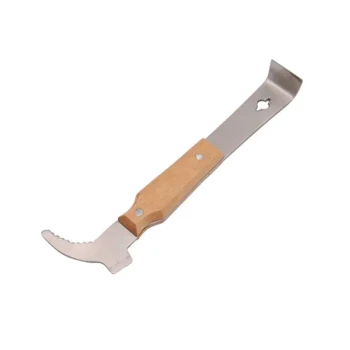
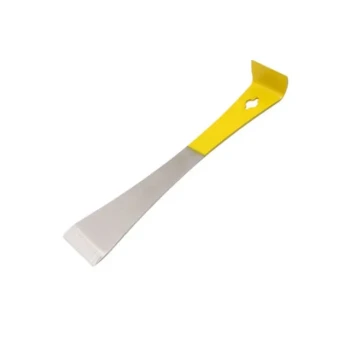
Before you ever open a hive, your ecosystem must be prepared. The primary reference emphasizes that all necessary equipment, such as hive tools and smokers, must be ready and at hand before the inspection begins. Searching for a tool mid-inspection disrupts the workflow and can agitate the colony.
Strategic Use of the Smoker
The smoker is your primary mechanism for environmental control. It functions by generating cool smoke which interrupts the chemical transmission of alarm pheromones within the colony.
Simultaneously, the smoke triggers a natural instinct in the bees to consume honey. This gorging behavior calms the colony, creating a stable physical environment that allows for safe frame extraction and health checks.
Refining Physical Handling Techniques
The Necessity of a Gentle Touch
Technical skill in beekeeping is defined by physical precision. You must practice extremely gentle handling of frames during every interaction. Rough movements can accidentally crush bees, leading to unnecessary fatalities.
Maintaining Composure
Beyond saving bee lives, a gentle touch prevents the triggering of defensive behaviors. Rough handling signals a threat to the colony, leading to increased aggression and stings. Therefore, patience and a composed demeanor are not just personality traits; they are essential technical qualities required to keep the hive manageable.
Accelerating Growth Through Data and Community
Detailed Record Keeping
Reliance on memory is a failure point in hive management. You must keep detailed records of every inspection. Documenting the state of the hive allows you to identify health patterns and population trends over time, shifting your approach from reactive to proactive.
Leveraging Expert Feedback
Technical skills are honed faster through external review. Engaging with local associations or forums allows you to gain insights from experienced beekeepers. This feedback loop is critical for learning best practices that you might overlook working in isolation.
Common Pitfalls to Avoid
The Cost of Rushing
A common error is sacrificing precision for speed. Rushing the inspection increases the likelihood of jerky movements, which violates the requirement for a "gentle touch." This inevitably leads to an agitated colony, making the current inspection difficult and potentially complicating future visits.
Neglecting the Data
Inspecting without recording is a wasted opportunity. Failing to write down observations immediately after the inspection breaks the chain of evidence required to spot the "patterns" mentioned in the primary reference. Without data, technical improvements become guesswork.
Applying Technical Discipline to Your Apiary
To systematically improve your inspection skills, align your practice with your specific management goals:
- If your primary focus is Colony Health: Prioritize gentle handling above all else to minimize bee fatalities and reduce colony stress.
- If your primary focus is Long-Term Management: Commit to detailed record keeping to track historical patterns and predict future hive needs.
- If your primary focus is Skill Acquisition: Actively seek feedback from experienced mentors to correct technique and learn established best practices.
True technical mastery in beekeeping is achieved when preparation, patience, and data converge to create a seamless experience for both the beekeeper and the bees.
Summary Table:
| Skill Category | Key Technique | Primary Benefit |
|---|---|---|
| Preparation | Tool readiness & Smoker prep | Minimizes hive disruption and prevents agitation |
| Handling | Gentle frame extraction | Reduces bee fatalities and prevents defensive behavior |
| Management | Detailed record keeping | Identifies health patterns and allows proactive care |
| Development | Mentorship & Community | Accelerates skill acquisition through expert feedback |
Elevate Your Commercial Beekeeping Operations with HONESTBEE
Are you a commercial apiary or distributor looking to scale your efficiency? HONESTBEE is your dedicated partner in the beekeeping industry. We provide a comprehensive wholesale catalog including everything from heavy-duty hive-making and honey-filling machinery to essential consumables and specialized beekeeping tools.
Whether you need precision hardware to automate your honey production or high-quality equipment to support large-scale hive management, our portfolio is designed to deliver reliability and value.
Ready to upgrade your apiary’s technical capabilities? Contact us today to discuss our wholesale offerings and discover how HONESTBEE can support your business growth.
Related Products
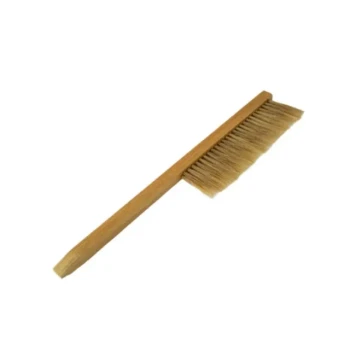
- Classic Wooden Bee Brush with Double-Row Boar Bristles
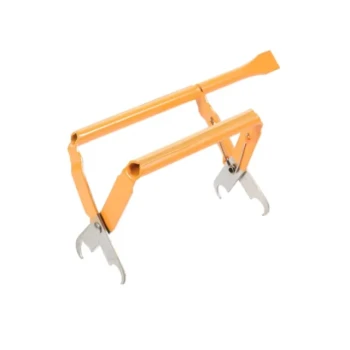
- Multi-Function Frame Grip with Integrated Hive Tool
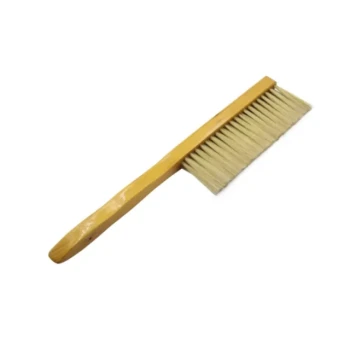
- Wooden Bee Brush with Double-Row Horsehair Bristles
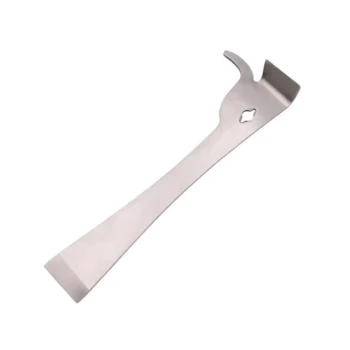
- Professional Stainless Steel Pry-Bar Hive Tool
- Professional Multi-Function Stainless Steel Hive Tool
People Also Ask
- What are the key features of a popular bee brush? Essential Design for Bee Safety and Hive Hygiene
- What are the key characteristics of the bristles on a bee brush? Master Gentle and Efficient Bee Removal
- What is a bee brush and what is its primary use? A Gentle Tool for Hive Management
- What is the purpose of using a bee brush during the inspection of hive components? Safe & Precise Hive Management
- What is the specific function of a bee brush? Ensure Pure Harvests and Colony Welfare During Honey Extraction