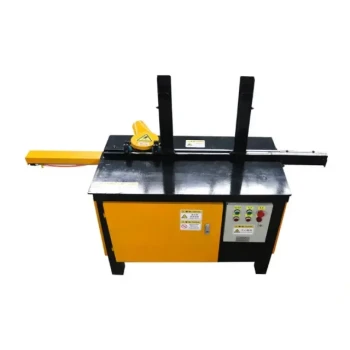
To guide bees to build straight comb, you must modify the top bar to provide a distinct, tactile starting line along its center. This takes advantage of the bees' natural instinct to "festoon" or hang in chains from a specific point before secreting wax. Common successful methods include shaping the bar into a V-bottom or cutting narrow slots to create a grip for the colony.
The core principle of straight comb construction is establishing a non-negotiable "festooning point." Bees will almost always build where they can most easily hang in a cluster; providing a V-shaped keel or a slotted groove forces this cluster to align with the center of the bar.
Engineering the Top Bar
To prevent cross-combing—where bees connect multiple bars together—you must offer a geometric guide.
The V-Shaped Bottom
The most structural approach is to shape the top bar itself.
By cutting the bottom of the bar into a V-shape, you create a sharp, central ridge that runs the length of the bar.
This ridge provides the most logical hanging point for the bees, naturally aligning their construction with the center of the bar.
The Double-Slot Method
An alternative to shaping the wood is cutting into it.
Using a table saw, you can cut two closely spaced slots (kerfs) along the long axis of the bar.
This texture gives the bees a rough surface to grip, allowing them to "drape" effectively from the center line.
Supplementary Guidance Techniques
While physical wood shaping is robust, other methods involve adding material to the bar.
Wax Starter Strips
You can install a narrow strip of wax foundation into a groove in the bar.
This acts as a vertical guide, effectively drawing a line in the air for the bees to follow.
Wax Foundation Sheets
For maximum guidance, some beekeepers use a full sheet of wax foundation.
This leaves nothing to chance, forcing the bees to build on the existing pattern, though it requires more preparation than simple top bars.
Understanding the Trade-offs
While these methods are effective, understanding their limitations is critical for long-term hive management.
The Risk of Empty Bars
Leaving a top bar completely empty and smooth is a common pitfall.
Without a guide, bees often build diagonally or across multiple bars, making inspection impossible without destroying the comb.
Durability of Guides
Wax starter strips can sometimes detach if the hive gets too hot or if the bees put too much weight on them too quickly.
V-shaped bars and slotted bars are generally more durable because the guide is integral to the wood itself.
Making the Right Choice for Your Goal
The best method depends on your available tools and your desire for natural comb.
- If your primary focus is reliability: Use the V-shaped bottom or slots, as these permanent wood guides cannot melt or fall out.
- If your primary focus is speed of preparation: Use starter strips, which require less woodworking but offer strong initial guidance.
- If your primary focus is strictly natural comb: Avoid full sheets of foundation and rely on the slotted or V-shaped wood guides to let bees determine cell size.
Provide the bees with a clear path, and they will build the infrastructure you need.
Summary Table:
| Method | Technique | Durability | Best For |
|---|---|---|---|
| V-Shaped Bottom | Shaping wood into a central ridge | High (Permanent) | Reliable, long-term guidance |
| Double-Slot | Cutting two parallel kerfs for grip | High (Permanent) | Natural comb without adding wax |
| Wax Starter Strips | Inserting thin wax strips into grooves | Medium | Speed of adoption and precision |
| Foundation Sheets | Using full wax sheets as a template | Low (Heat sensitive) | Maximum control/standardized cells |
Elevate Your Apiary with HONESTBEE Precision Equipment
At HONESTBEE, we understand that professional beekeeping requires precision tools that work with nature, not against it. Whether you are managing a commercial apiary or supplying the industry as a distributor, our comprehensive wholesale range is designed to optimize your operations.
From advanced hive-making machinery to durable hardware and essential consumables, we provide the full spectrum of equipment needed to produce perfect straight combs and high-quality honey.
Partner with HONESTBEE today to access:
- Industrial-grade honey-filling and hive-processing machines.
- A complete portfolio of specialized beekeeping tools and hardware.
- Unique honey-themed cultural merchandise to expand your retail offering.
Ready to scale your beekeeping business? Contact our expert team today to discuss our wholesale solutions and bulk pricing.
Related Products
- Top Bar Beehive for Beekeeping Wholesales Kenya Top Bar Hive
- Long Langstroth Style Horizontal Top Bar Hive for Wholesale
- HONESTBEE Top Bar & Bottom Bar Forming Machine | Bee Frame Machine
- HONESTBEE Bee Frame Grooving Machine | Precision Slotting for Bee Frame Making
- Professional Frame Comb Fork and Lifter for Efficient Handling
People Also Ask
- How is burr comb and propolis removed from a top bar hive? A Practical Guide for Hive Maintenance
- How does comb construction differ between a top bar hive and a Langstroth hive? Choose the Best Method for Your Apiary
- Why do top bar hives require beekeepers to detach comb? Master the Detach-then-Lift Technique for Comb Safety
- How does the design of a top bar hive minimize disturbance to the bees during inspection? Achieve a Calmer, More Natural Approach
- What are the main differences between a top bar hive and a Langstroth hive? A Guide to Choosing Your Hive