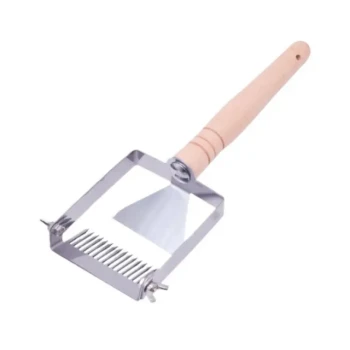
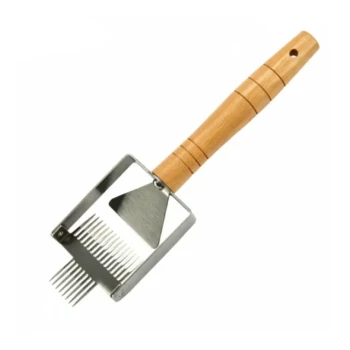
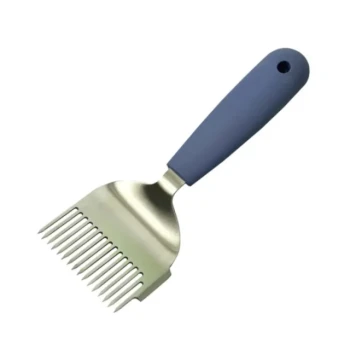
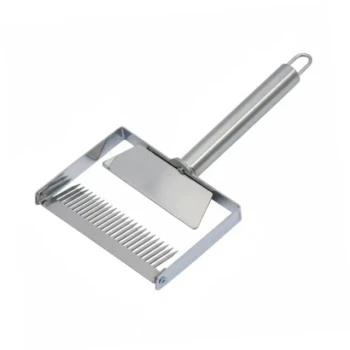
Beeswax cappings are a valuable resource that should be collected rather than discarded after the uncapping process. Once removed from the frames, these cappings are primarily utilized to manufacture secondary beeswax products, including candles, lip balms, and other industry consumables.
Core Takeaway Cappings represent a source of high-quality wax that, once separated from residual honey and melted down, serves as the raw material for value-added goods like cosmetic products or new hive foundations.
processing Cappings for Use
Before the wax can be turned into a final product, it must be processed to remove honey and impurities.
Recovering Residual Honey
Fresh cappings are wet with honey. To utilize this resource efficiently, you must separate the liquid from the solid wax.
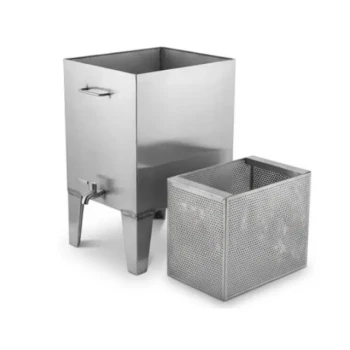
Common methods include a double bucket system, where a perforated inner bucket drains into an outer bucket, or a strainer bag suspended over a container.
This setup should be left overnight in a warm, bee-tight location to ensure complete drainage.
Purifying the Wax
Once the honey is drained, the remaining wax is often still sticky or contains small debris.
Melting is required to separate the pure beeswax from these impurities. A solar wax melter is a highly effective tool for purifying this wax quickly and easily.
Applications for Recycled Cappings
After the cappings have been rendered into clean blocks of beeswax, they are ready for their final application.
Manufacturing Consumer Goods
The primary reference highlights that processed cappings are excellent for creating candles and lip balms.
Because cappings often consist of fresh, new wax, they are typically lighter in color and highly desirable for these aesthetic applications.
Reinvesting in the Apiary
Beyond consumer goods, the wax can be recycled back into the beekeeping operation.
Cleaned wax from cappings is frequently used to manufacture new foundations. This creates a sustainable cycle where the hive's byproducts are used to support future colony growth.
Understanding the Trade-offs
While utilizing cappings is beneficial, it is a labor-intensive process that requires specific attention to detail.
Processing Time vs. Yield
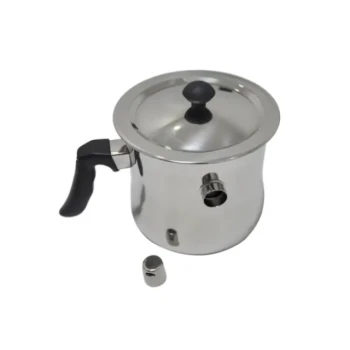
Recovering wax from cappings is not instantaneous. The drainage process requires time (typically overnight), and melting requires specialized equipment like a solar melter or a double boiler.
You must weigh the value of the final wax product against the time invested in cleaning and rendering it.
Equipment Dependencies
The method used to remove the cappings initially can impact the volume of wax available.
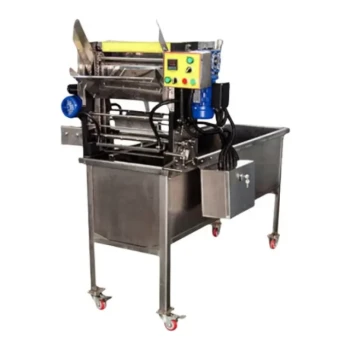
Tools like uncapping rollers are non-invasive and remove very little wax, whereas a heated knife or steam knife will yield a larger volume of cappings to process.
Making the Right Choice for Your Goals
Once you have a supply of clean capping wax, your utilization strategy should match your specific objectives.
- If your primary focus is generating revenue: Focus on high-margin consumer products like candles and lip balms, which benefit from the high quality of capping wax.
- If your primary focus is apiary sustainability: Use the recycled wax to create new foundations, reducing your operational costs for the next season.
Treat your cappings not as waste, but as a harvestable crop second only to the honey itself.
Summary Table:
| Application Category | Primary Utilization | Key Benefit |
|---|---|---|
| Consumer Goods | Candles & Lip Balms | High aesthetic quality and lighter color wax |
| Apiary Support | New Foundations | Sustainable cycle reducing operational costs |
| Industry Consumables | Polishes & Wraps | Versatile raw material for value-added products |
| Equipment Needed | Solar Melters & Strainers | Efficient purification and honey recovery |
Unlock the Full Potential of Your Honey Harvest with HONESTBEE
Don't let valuable beeswax cappings go to waste. HONESTBEE is dedicated to supporting commercial apiaries and distributors by providing the professional-grade tools needed to turn byproducts into profit. From high-efficiency uncapping machinery to precision honey-filling machines and specialized hardware, our comprehensive wholesale inventory is designed to scale your operations.
Whether you are looking to manufacture premium candles or produce your own hive foundations, our team offers the expertise and equipment—including honey-themed cultural merchandise and essential consumables—to help your business thrive.
Ready to elevate your beekeeping production? Contact us today to explore our wholesale solutions!
Related Products
- Electric Beeswax Flat Sheet Machine with Operating Tray for Wax Processing
- Steam Beeswax Melter Wax Warmer for Wax Processing
- Fully Automatic Beeswax Embossing Machine Foundation Mill
- Electric Flatting and Embossing Machine with Tray for Beekeeping
- Manual Beeswax Comb Foundation Machine Wax Foundation Mill Embossing Machine
People Also Ask
- What is the primary function of the double-roller extrusion system? Master Precision Beeswax Foundation Production
- How do cultural merchandise processing machines contribute to the economic value chain? Boosting Apiary Profitability
- How do specialized beeswax processing machines maximize the value of beekeeping by-products? Boost Your Apiary's ROI
- How does the machine flatten the beeswax? A Guide to Roller and Press Methods
- What are the key functions of a beeswax machine? Maximize Apiary Efficiency & Revenue with Professional Equipment