Beeswax residues can be effectively recycled by collecting the material remaining after honey extraction and processing it through specialized melting and molding equipment. This transforms by-products into new hive foundations, reintegrating the wax directly into the production cycle rather than discarding it.
In a circular production model, recycling wax does more than minimize waste; it strategically lowers operational costs and conserves colony energy. By providing ready-made structural support, you allow bees to redirect their effort from building comb to producing honey.
The Process of Circular Wax Recovery
Collection and Processing
The cycle begins immediately after honey extraction. The beeswax residues—often considered waste in linear models—are gathered for reprocessing.
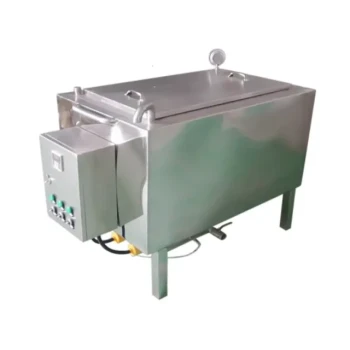
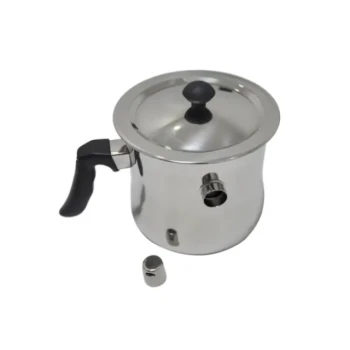
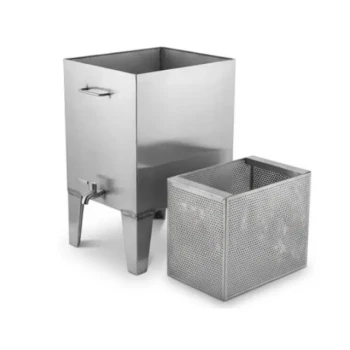
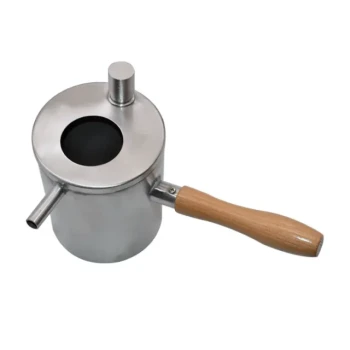
Using specialized wax melting equipment, this raw material is liquefied to prepare it for reshaping.
Creating New Foundations
Once melted, the wax is processed through molding equipment to create new hive foundations.
These foundations utilize the wax's inherent physical properties to provide the necessary structural support for the colony, effectively closing the loop on material usage.
Operational Impacts on the Colony
Reducing Bee Labor
Building comb from scratch is an energy-intensive task for a colony.
By providing recycled foundations, you significantly reduce the time and energy bees must spend on comb building.
Increasing Honey Production
When bees are relieved of the burden of constructing entirely new combs, their biological focus shifts.
The energy saved is redirected toward honey production, potentially increasing the overall yield of the hive.
Understanding the Requirements
The Need for Specialized Equipment
While recycling reduces the need for external consumable purchases, it introduces an internal processing requirement.
Implementing this model requires access to specific melting and molding machinery capable of converting raw residues into usable foundations.
Balancing Investment vs. Consumables
The shift to a circular model moves costs from recurring operational expenses (buying foundation) to capital investment (equipment).
Beekeepers must weigh the long-term savings on consumables against the immediate need for processing infrastructure.
Making the Right Choice for Your Goal
- If your primary focus is increasing yield: Prioritize recycling to provide pre-formed structure, allowing bees to maximize their energy for honey production.
- If your primary focus is cost efficiency: Use the circular model to process your own residues, eliminating the recurring expense of purchasing external hive foundations.
Recycling beeswax transforms a production byproduct into a critical asset, harmonizing economic efficiency with biological optimization.
Summary Table:
| Aspect | Linear Beekeeping Model | Circular Beekeeping Model (Recycling) |
|---|---|---|
| Waste Management | Residues discarded as waste | Residues processed into new foundations |
| Cost Structure | Recurring expense for new foundations | Capital investment in melting/molding machinery |
| Bee Energy | Bees spend high energy building comb | Bees focus energy on honey production |
| Economic Value | Low material efficiency | High efficiency; reduces external consumables |
Maximize Your Apiary's Potential with HONESTBEE
Transitioning to a circular production model requires the right tools to turn waste into wealth. HONESTBEE specializes in supporting commercial apiaries and distributors with high-performance wax melting and molding machinery, alongside a full spectrum of beekeeping equipment.
Whether you are looking to scale your operations with specialized hive-making machines or need reliable industrial consumables, we provide the hardware and expertise to increase your honey yield and operational efficiency.
Ready to optimize your production loop? Contact our expert team today to discover how our wholesale solutions can grow your beekeeping business.
References
- Rustama Saepudin. Sustainability Analisys and The Effect Of Honeybee-Coffee Plantation Integration Model On Improving. DOI: 10.22437/jiiip.v17i1.2254
This article is also based on technical information from HonestBee Knowledge Base .
Related Products
- Beeswax Machine Press Embosser Wax Foundation Mold Printer Bee Hive Equipment Making Sheet
- Electric Flatting and Embossing Machine with Tray for Beekeeping
- Electric Beeswax Foundation Machine With Operating Tray and Wax Foundation Roller
- Electric Beeswax Flat Sheet Machine with Operating Tray for Wax Processing
- Fully Automatic Beeswax Embossing Machine Foundation Mill
People Also Ask
- What equipment is needed to make beeswax foundation? A Guide to DIY Wax Sheet Production
- What miscellaneous equipment is needed for making foundation? A Guide to the Essential Tools
- What miscellaneous equipment is useful when making beeswax foundation? Essential Support Tools for Beekeepers
- What specific equipment is required for making beeswax foundation? Essential Tools for High-Quality Production
- What is the recommended temperature for melting beeswax to make foundation sheets? Master the 70°C-80°C Ideal Range