During inspections, suspect a robber bee outbreak when activity at the entrance suddenly becomes chaotic, unusually intense, and accompanied by visible fighting. Robbing is most likely during nectar dearths, after exposed feeding, or when a strong colony targets a weaker hive. The most effective equipment response is to restrict entrances with entrance reducers or robber screens, use internal or enclosed feeders, and maintain tightly sealed hive components to prevent access and leakage.
Robbing is both a colony-loss risk and a disease-transmission risk. Detect it through abnormal fighting and uncontrolled entrance activity, then reduce access, eliminate exposed food sources, and apply strict equipment sanitation to prevent pathogens and mites from moving through the apiary.
How to Identify Robber Bee Outbreaks
Look for Chaotic Entrance Activity
Normal foraging usually produces organized traffic, with bees entering and leaving in a relatively steady pattern. Robbing creates greatly increased, disorderly activity, often concentrated around the entrance rather than distributed across normal foraging flights.
Robber bees may appear nervous or aggressive as they attempt to enter, while resident guard bees fight them at the entrance.
Watch for Visible Fighting
Fighting is one of the clearest external signs of an active robbing event. Inspectors may see bees wrestling, tumbling, or pulling at one another on the landing board and around cracks in the hive.
A sudden increase in aggression across the apiary is especially concerning when it occurs during a nectar dearth or after syrup, honey, or wet equipment has been exposed.
Check for Weak or Poorly Defended Colonies
Robbers commonly target small colonies, nucleus hives, weakened colonies, and colonies with wide entrances. A colony that cannot adequately guard its entrance is vulnerable to rapid depletion of its honey stores.
Inspectors should pay particular attention to colonies with low bee populations, queen problems, disease symptoms, or damaged hive components.
Use Marking to Trace Robber Bees
If the source of invading bees is unclear, talcum powder or fine flour can be lightly applied to the landing board of the robbed hive. Marked bees can then be observed as they leave, helping the beekeeper trace them back toward the robber colony.
This method is a field aid rather than a substitute for immediate control measures.
Why Robbing Requires a Disease-Control Response
Robbing Moves More Than Honey
Robbing causes drifting and forces bees from different colonies into close contact. This creates opportunities for pathogens, mites, and contaminated materials to move between colonies.
The risk is particularly serious when robbers access colonies or equipment affected by contagious diseases such as American Foulbrood (AFB).
Inspect Recovered and Dead-Colony Equipment Carefully
Hive bodies, frames, and honey stores from dead colonies should be sealed tightly or removed to secure storage promptly. Otherwise, robber bees can access the remaining stores and carry contamination back to healthy colonies.
Before reusing brood frames or other components, inspect them for signs of AFB and follow applicable veterinary, regulatory, and sanitation requirements.
Avoid Unknown Second-Hand Comb
Second-hand comb of unknown origin presents a preventable biosecurity risk. Commercial operations should avoid it unless its history and treatment are known and it has been processed according to an appropriate sanitation protocol.
Sound, disease-free drawn comb may be aired and reused when permitted, while defective or suspect frames should be cleaned, treated, or replaced.
Equipment That Helps Prevent Robbing
Install Entrance Reducers
An entrance reducer narrows the opening that guard bees must defend. During high-risk periods, reducing the opening to a single bee space can help a small or weakened colony control access more effectively.
Reducers should be adjustable so the opening can be matched to colony strength, weather, and ventilation requirements.
Use Robber Screens
A robber screen changes the apparent entrance and forces resident bees to use a protected route. Robber bees repeatedly approach the familiar entrance and are obstructed, while the colony’s own bees can use the alternative access point.
These screens are particularly useful when robbing is already underway or when colonies differ significantly in strength.
Feed Internally or in Enclosed Systems
Internal hive feeders and other enclosed feeding systems keep syrup inside the hive and reduce the scent and access points that attract robbers. They are preferable to open feeding in or near the apiary.
Feed should be handled carefully, especially during late-season manipulations, because even small spills can trigger robbing.
Maintain Tight Hive Construction
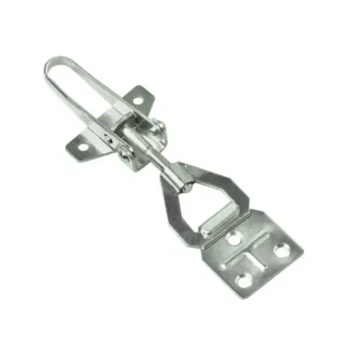
Precision-fit hive bodies, sound covers, and properly seated components reduce cracks and crevices that robber bees can exploit. Leaking feeders, damaged boxes, and loose joints should be repaired promptly.
A reliable equipment program should include routine checks for hive integrity, feeder leakage, and entrance fit.
Use Inspection and Protective Equipment Correctly
A smoker can calm bees during inspections, helping the beekeeper work safely and complete the examination efficiently. Protective clothing and gloves remain necessary because robbing can make colonies unusually defensive.
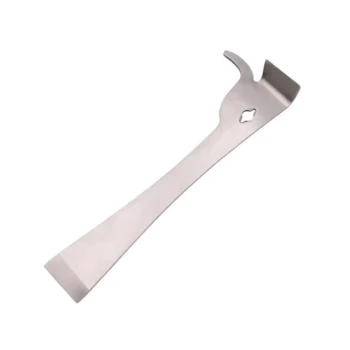
Washable protective suits and durable, easy-to-clean stainless steel hive tools support repeated commercial use and simplify sanitation between inspections.
Sanitation Practices for Commercial Apiaries
Separate Tools by Apiary
Hive tools and protective gloves can carry pathogens and mites between colonies. Commercial beekeepers should dedicate separate tools and gloves to each apiary whenever practical.
At minimum, tools should be thoroughly cleaned and disinfected between apiaries, with particular attention to material that contacts comb, honey, or brood areas.
Clean Protective Clothing
Protective clothing can also contribute to cross-contamination. Wash or disinfect bee suits and other reusable gear according to the material and the approved product instructions.
Sanitation should be part of the inspection workflow, not an occasional response after a disease is detected.
Disinfect Reusable Components Properly
Old hive parts and used frames should be disinfected before reuse using an approved method, such as the applicable acetic-acid or PDB treatment referenced for suitable materials. Because chemical treatments, residues, and legal requirements vary, commercial operations should follow local regulations and product instructions.
Equipment that cannot be reliably cleaned or that shows evidence of contagious disease should not be returned to service.
Understanding the Trade-offs
Entrance Restriction Can Limit Colony Access
Reducing an entrance improves defensibility but also limits traffic and may affect ventilation if used inappropriately. Inspectors must match the reducer or screen to colony strength and conditions rather than applying the same setting to every hive.
Strong colonies may require a larger opening once the robbing threat has passed.
Screens and Reducers Do Not Replace Good Management
Robber screens and entrance reducers control access, but they cannot compensate for exposed syrup, leaking equipment, or a severely weakened colony. Food sources must be secured and inspections should be completed rapidly during shortages.
The hardware works best as part of a broader feeding, inspection, and sanitation protocol.
Chemical Disinfection Requires Control
Disinfection methods must be selected for the specific material and disease risk. Improper chemical use can damage equipment, leave residues, or create worker-safety concerns.
A commercial purchasing program should therefore evaluate not only price, but also product suitability, cleaning requirements, durability, and documentation.
How to Apply This to Your Apiary
Use a standardized inspection and equipment checklist so every crew member responds consistently.
- If your primary focus is early outbreak detection: Train inspectors to recognize chaotic entrance activity, visible fighting, unusual aggression, and vulnerable colonies during nectar dearths.
- If your primary focus is robbing prevention: Keep internal feeders, adjustable entrance reducers, and robber screens available for rapid deployment.
- If your primary focus is disease control: Separate tools by apiary, clean protective clothing, inspect dead-colony equipment for AFB, and avoid comb of unknown origin.
- If your primary focus is operational efficiency: Source a compatible range of feeders, screens, reducers, hive components, stainless-steel tools, and washable protective gear through a dependable supplier that can support rapid replenishment.
- If your primary focus is equipment longevity: Prioritize tightly fitting, durable, easy-to-clean components and establish a documented inspection and maintenance cycle.
With the right detection procedure, access-control equipment, feeding practices, and sanitation discipline, commercial apiaries can reduce robbing losses while limiting disease transmission across the operation.
Summary Table:
| Sign of Robbing | Description | Preventive Equipment |
|---|---|---|
| Chaotic entrance activity | Increased, disorderly traffic around the entrance | Entrance reducers |
| Visible fighting | Bees wrestling or tumbling at the entrance | Robber screens |
| Weak colony defense | Small or weakened colonies unable to guard | Entrance reducers, robber screens |
| Exposed food sources | Syrup, honey, or wet equipment attracting robbers | Internal or enclosed feeders |
| Disease transmission risk | Pathogens moving between colonies via robbing | Tightly sealed hive components, sanitation tools |
Secure your apiary with HONESTBEE's comprehensive range of beekeeping equipment. From entrance reducers and robber screens to internal feeders and durable hive components, we provide the tools you need to protect your colonies. As a trusted wholesale supplier for commercial apiaries and distributors, we offer fast delivery and dedicated support. Contact us today to discuss your requirements and ensure your operation's health and profitability.
Related Products
- Stainless Steel J Hook Hive Tool for Beekeeping
- Professional Multi-Function Stainless Steel Hive Tool
- Professional Stainless Steel Pry-Bar Hive Tool
- HONESTBEE Classic Pry Bar Hive Tool with High Visibility Finish for Beekeeping
- Ergonomic Two Person Foldable Hive Lifter
People Also Ask
- What specific challenges do beekeeping hive tools address during hive maintenance? Essential Solutions for Apiaries
- What are the features of a J-hook hive tool? Effortlessly Lift Frames with Superior Leverage
- What is a J-hook hive tool and why is it favored by some beekeepers? Master Gentle Frame Handling
- What is the purpose of the J-hook hive tool? Effortlessly Lift Frames with Superior Leverage
- How is a J-hook hive tool designed and what is its primary use? Master Effortless Hive Inspections