Commercial apiaries can reduce physical damage and pest invasions by combining reinforced hive hardware, controlled entrances, elevated stands, protective covers, sanitation, and routine inspections. In rural and forest-adjacent areas, this layered approach helps protect colonies from predators, rodents, ants, wasps, termites, moisture, and debris-related pests. The objective is not merely to repair damaged hives, but to build an apiary system that limits access, withstands environmental stress, and supports efficient commercial operations.
The most reliable protection comes from layered prevention: strengthen the hive, restrict entry points, isolate equipment from the ground, control moisture, and inspect regularly. Commercial buyers should source compatible hardware and consumables as a coordinated product system rather than relying on improvised repairs.
Protect Hive Equipment from Physical Damage
Reinforce vulnerable hive structures
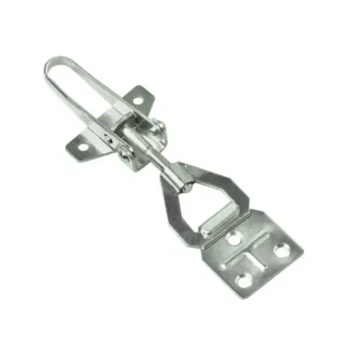
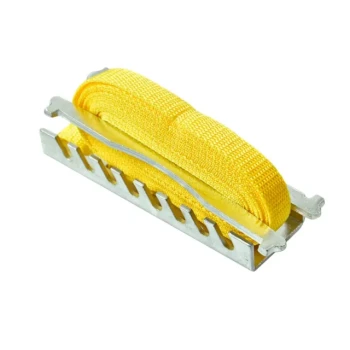
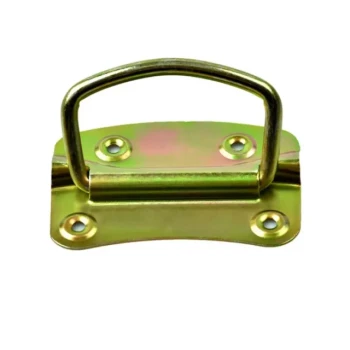
Large predators can overturn, break, or destroy hive equipment, particularly in wilderness or forest-adjacent locations. Reinforced hive construction hardware and secure fasteners help keep hive bodies, covers, and other components together during physical disturbances.
Durable equipment also reduces the risk of structural failure during handling, transport, and routine inspections. This is especially important for commercial apiaries managing many colonies across remote or difficult-to-access sites.
Use stable stands and secure placement
Direct ground contact exposes wooden hive components to termites, moisture, and soil-related deterioration. Elevated hive stands create separation between the ground and hive bodies, improving airflow while reducing pest access.
Where wooden equipment is used, stands can be treated with suitable wood preservatives. Grease or oil barriers between the ground and hive structure can provide an additional deterrent against crawling insects.
Consider non-wooden components in termite-prone regions
Termites can tunnel through wooden hive bodies and compromise the structural integrity of the colony. In tropical and subtropical environments, commercial operations may reduce this risk by using plastic hive equipment or concrete stands and brood chamber components where suitable.
This approach can involve a higher initial investment, but it may reduce replacement frequency and maintenance requirements in high-termite areas.
Control How Pests Enter the Hive
Install entrance reducers and mouse guards
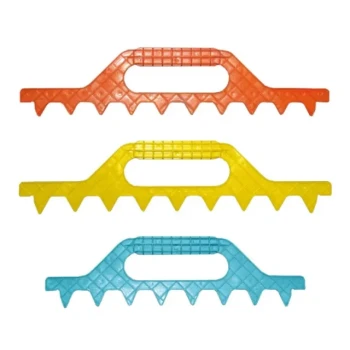
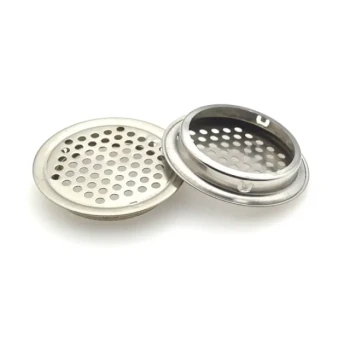
Hive odors naturally attract mice, ants, wasps, hornets, cockroaches, and other opportunistic pests. Entrance reducers and durable metal mouse guards physically restrict the opening, allowing worker bees to defend the entrance more effectively.
These components also prevent mice and larger insects from entering hive chambers, where they may consume honey, damage comb, disturb brood, or establish nests.
Select appropriately sized entrances
Restricted entrances help commercial beekeepers manage pest pressure without completely obstructing colony activity. Designs with openings around 8 mm can block larger predatory insects while still permitting worker bees to pass.
Entrance dimensions should be matched to colony strength, season, ventilation needs, and local pest pressure. A weak colony may require more restrictive protection than a strong colony capable of defending a larger opening.
Use targeted traps and pest-control equipment
Entrance hardware should be supported by dedicated pest traps and monitoring tools. Traps can reduce pressure from wasps, hornets, and other pests that repeatedly target hive entrances.
The objective is targeted control around the hive rather than indiscriminate chemical use inside or immediately around colony spaces. This helps protect bees while giving operators a clearer view of recurring pest problems.
Reduce Environmental Stress and Disease Risk
Protect hives from rain and moisture
Moisture accumulation weakens hive materials and increases stress on bee colonies. Weather-resistant covers made from metal or high-grade plastic shield hive equipment from rain and reduce exposure to environmental pathogens.
Protective covers should be used with suitable ventilation. A hive that is sealed too tightly may retain condensation, so weather protection must be balanced with airflow.
Maintain sanitary hive components
Hive debris can support detritus-feeding pests such as scarab beetles and darkling beetles. Regularly cleaning and inspecting bottom boards and other hive components removes material that could support pest breeding.
Sanitation also makes it easier to identify early signs of infestation, disease, moisture damage, or colony decline before the problem spreads.
Monitor colony condition, not only equipment condition
Hardware protection cannot compensate for weak colony management. Regular inspections should assess brood health, queen condition, pest activity, moisture, frame damage, and unusual bee behavior.
Strong colonies are generally better able to defend restricted entrances and resist opportunistic invasions. When colonies remain persistently aggressive or weak, requeening or broader genetic management may be necessary.
Build a Scalable Commercial Protection System
Standardize compatible hive hardware
Commercial apiaries benefit from standardizing entrance reducers, mouse guards, fasteners, covers, stands, traps, and replacement components across their operations. Standardization simplifies inspections, repairs, staff training, and inventory control.
A coordinated product portfolio also reduces the risk of fitting incompatible parts to the same hive design. For distributors and B2B resellers, offering a complete, compatible range creates more value than supplying isolated components.
Keep replacement stock available
Remote apiaries may face long delays when damaged equipment must be replaced. Maintaining stock of high-wear items—such as entrance hardware, fasteners, bottom boards, covers, and pest-control tools—helps prevent minor failures from becoming colony losses.
Reliable suppliers should support rapid response, consistent product availability, and efficient order fulfillment, particularly during seasonal pest surges or periods of severe weather.
Make equipment easy to locate and manage
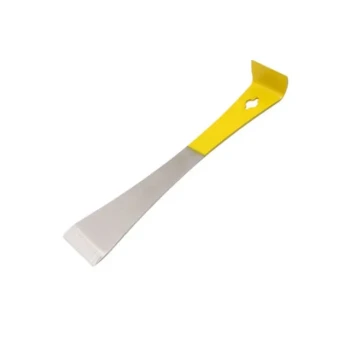
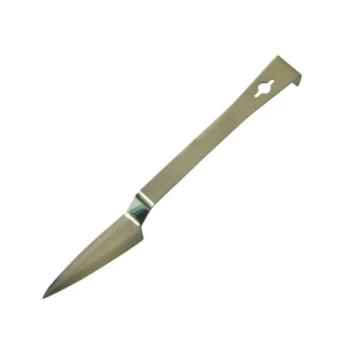
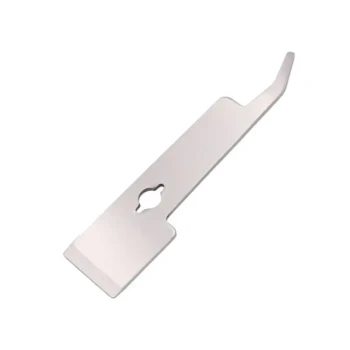
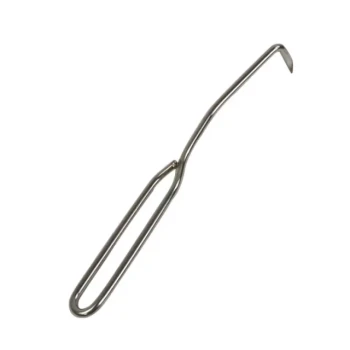
Hive tools and small hardware are easily lost in grass, foliage, or uneven rural terrain. Painting tools in bright colors, such as blue, makes them easier to find and reduces avoidable replacement costs.
Clear labeling, standardized storage, and field-ready repair kits further improve operational efficiency across distributed apiary sites.
Understanding the Trade-offs
Avoid improvised sheet wrapping
Plastic or metal sheet wraps may appear inexpensive, but improvised protection can leave gaps, trap moisture, and fail to address pest entry points. Such measures may increase exposure to pests, disease, and environmental stress and can contribute to colony instability or absconding.
Purpose-built hive covers, entrance reducers, guards, and ventilated components generally provide more predictable protection.
Balance restriction with ventilation
Reducing hive entrances helps block mice and larger insects, but excessive restriction can interfere with traffic flow and ventilation. Entrance control must therefore reflect colony strength and weather conditions.
Protective covers should follow the same principle: they must shed water without creating persistent condensation inside the hive.
Recognize the cost of chemical dependence
Continuous chemical treatment for pests such as Varroa mites can increase consumable expenses and contribute to resistance. Commercial operations should not treat hardware as a substitute for colony health management or genetic selection.
Where appropriate, combining mite-resistant bee strains, hygienic behavior, queen rearing, requeening, monitoring screens, and standard pest-control equipment can reduce reliance on repeated chemical treatments.
Match materials to the local climate
Plastic, treated wood, metal, and concrete each have different durability, cost, handling, and environmental characteristics. The best choice depends on termite pressure, rainfall, temperature, transportation requirements, and the apiary’s maintenance capabilities.
A material that performs well in a dry environment may be less suitable in a humid, termite-prone region. Product selection should be based on local operating conditions rather than price alone.
Making the Right Choice for Your Goal
Commercial protection works best when equipment, pest control, sanitation, and colony management are planned as one system.
- If your primary focus is protection from predators and physical damage: Prioritize reinforced hive construction, secure fasteners, stable elevated stands, and weather-resistant covers.
- If your primary focus is rodent and insect exclusion: Use entrance reducers, durable metal mouse guards, appropriately restricted entrances, and dedicated pest traps.
- If your primary focus is termite control: Reduce direct ground-to-wood contact, use treated stands and barriers, and consider plastic or concrete hive components in high-risk climates.
- If your primary focus is colony health and productivity: Combine clean bottom boards, ventilation, regular inspections, protective covers, and effective monitoring tools.
- If your primary focus is commercial scalability: Standardize compatible equipment across apiary sites and work with suppliers capable of providing a full product range, rapid response, and dependable fulfillment.
A layered, standardized protection strategy gives commercial apiaries greater control over equipment damage, pest access, maintenance costs, and colony stability.
Summary Table:
| Risk | Prevention Method | Key Equipment |
|---|---|---|
| Physical damage from predators | Reinforce hive structures, use stable stands | Heavy-duty fasteners, metal guards |
| Pest invasions (rodents, insects) | Restrict entrances, use traps | Entrance reducers, mouse guards, traps |
| Termite damage | Elevate stands, use non-wood materials | Plastic hives, concrete stands |
| Moisture and disease | Use weatherproof covers, ensure ventilation | Metal/plastic covers, screened bottom boards |
| Sanitation issues | Regular cleaning and inspection | Bottom boards, cleaning tools |
| Operational inefficiency | Standardize equipment, maintain stock | Standardized parts, repair kits |
Protect your apiary with HONESTBEE's comprehensive range of hive hardware, protective equipment, and pest-control tools. Designed for commercial beekeepers and distributors, our one-stop sourcing solution ensures compatibility, durability, and swift fulfillment. With rapid response times and dedicated support, we help you minimize downtime and maximize colony health. Contact us today to discuss your needs and discover how we can elevate your operations.
Related Products
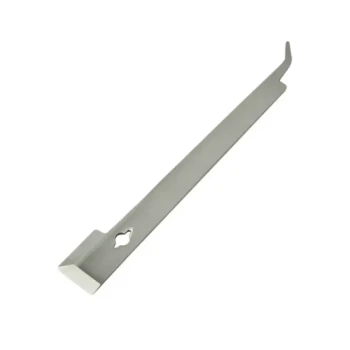
- Stainless Steel J Hook Hive Tool for Beekeeping
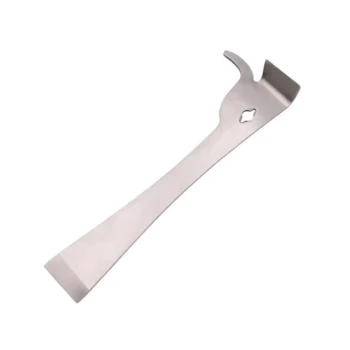
- Professional Multi-Function Stainless Steel Hive Tool
- HONESTBEE Classic Pry Bar Hive Tool with High Visibility Finish for Beekeeping
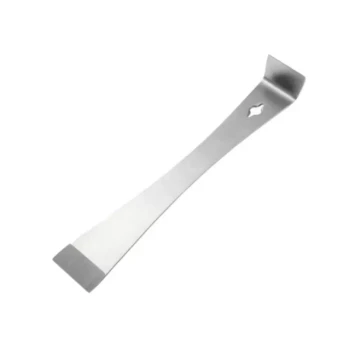
- Professional Stainless Steel Pry-Bar Hive Tool
- Ergonomic Two Person Foldable Hive Lifter
People Also Ask
- What specific challenges do beekeeping hive tools address during hive maintenance? Essential Solutions for Apiaries
- What is a J-hook hive tool and why is it favored by some beekeepers? Master Gentle Frame Handling
- What are the features of a J-hook hive tool? Effortlessly Lift Frames with Superior Leverage
- What is the purpose of the J-hook hive tool? Effortlessly Lift Frames with Superior Leverage
- How is a J-hook hive tool designed and what is its primary use? Master Effortless Hive Inspections