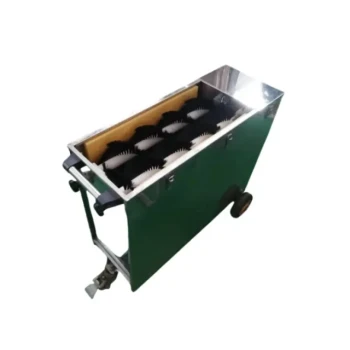
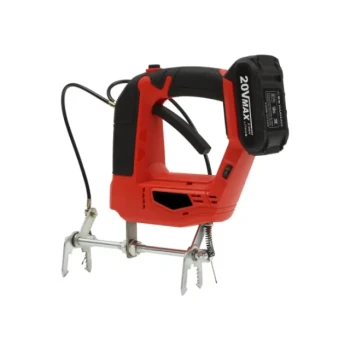
Commercial beekeepers can expand revenue by harvesting propolis, pollen, royal jelly, bee venom, and refined beeswax with purpose-built equipment. Propolis collection grids, pollen traps, royal jelly production kits, venom collection devices, wax melters, filtration units, and packaging machinery allow apiaries to monetize more of each hive’s output. These products can serve pharmaceutical, cosmetic, nutritional, industrial, gourmet, and apitherapy markets.
The central opportunity is to increase revenue per hive, not simply produce more honey. A coordinated equipment strategy helps commercial apiaries collect, process, standardize, and sell multiple bee products while giving distributors and B2B buyers access to a broader, more reliable product portfolio.
Build Revenue Around More Than Honey
Propolis Collection
Propolis is a resinous material collected by bees and used in cosmetic, pharmaceutical, and health-related products. Propolis screens and collection grids encourage deposits in accessible formats, reducing the need to scrape irregular hive surfaces.
Collection equipment should support clean removal and hygienic handling. This improves consistency for buyers who need a dependable raw material rather than variable, heavily contaminated bulk product.
Bee Pollen Harvesting
Pollen traps fitted to hive entrances collect pollen pellets from returning foragers. Bee pollen can be sold as a nutritional ingredient, used in supplements, or retained for controlled colony feeding during periods of limited forage.
Commercial operators must manage trap use carefully so colonies retain adequate pollen. The equipment creates a revenue opportunity, but collection schedules should account for colony strength, seasonal conditions, and nutritional requirements.
Royal Jelly Production
Royal jelly requires a more specialized workflow than conventional honey harvesting. Grafting tools, queen-cell bars, production frames, and extraction equipment help beekeepers manage larvae and collect royal jelly under controlled conditions.
Because royal jelly is highly perishable and sensitive to handling, production depends on disciplined timing, sanitation, cold-chain practices, and rapid order fulfillment. This makes it particularly relevant to premium buyers who value consistent quality and responsive supply.
Bee Venom Collection
Electronic venom collection devices use collection panels placed near or at hive entrances to encourage bees to deposit venom on a surface for later recovery. The product may be supplied to pharmaceutical, research, and apitherapy-related markets.
Venom harvesting requires specialized operating procedures and careful attention to colony welfare, worker safety, storage, and applicable regulations. It should be treated as a technically controlled product line rather than an add-on to ordinary hive inspections.
Turn Raw Hive Outputs Into Higher-Value Products
Refined Beeswax
Raw comb and cappings can be processed with wax melters, filtration units, settling tanks, and foundation-making equipment. These systems convert variable raw wax into filtered blocks, sheets, or foundation.
Refined wax can serve candle, cosmetic, pharmaceutical, food-wrap, and industrial customers. Processing it in-house allows an apiary to capture more value than selling unprocessed comb or mixed wax.
Product-Focused Processing
Specialized processing equipment helps separate harvesting from final manufacturing. An operation may sell filtered wax, pollen, or propolis as bulk ingredients, while also producing candles, soaps, skincare products, or other finished goods where its capabilities and market access justify the additional work.
The appropriate level of processing depends on customer requirements, production volume, compliance obligations, and available labor. Equipment should be selected around a defined sales channel rather than purchased without a clear outlet.
Standardized Honey and Hive Products
Although the expansion strategy goes beyond honey, honey extractors, filling machines, and packaging systems remain important. They allow producers to handle seasonal peaks, create standardized retail formats, and supply clean honey bases for mead, gourmet food, and other commercial applications.
The same operational discipline benefits secondary products: controlled filling, labeling, batch handling, and hygienic storage can improve buyer confidence across the entire portfolio.
Design an Equipment Portfolio for Commercial Scale
Match Equipment to the Revenue Model
A commercial apiary should map each target product to four requirements: harvesting method, processing method, quality controls, and customer format. This clarifies whether the business needs a basic collection tool, a complete processing line, or equipment capable of continuous high-volume production.
For distributors and wholesalers, a broad equipment portfolio is valuable because different customers will be at different stages of development. Offering collection devices, processing machinery, workshop tools, and packaging systems supports both new apiaries and established operations expanding into additional products.
Prioritize Hygienic Handling
High-value bee products lose commercial value when contaminated, poorly stored, or inconsistently processed. Equipment should therefore support clean collection, controlled transfer, filtration where appropriate, and storage suited to the product.
Hygienic handling is also a commercial differentiator. B2B buyers are more likely to reorder when supply is consistent, specifications are clear, and the seller can respond quickly to quality or documentation requirements.
Plan for Seasonal Throughput
Honey and other hive products follow seasonal production patterns. High-capacity extractors, filling machines, and processing tools help commercial operators handle peak harvest periods without creating bottlenecks.
A practical purchasing strategy combines targeted harvesting equipment with shared infrastructure, such as clean work areas, storage, filtration, packaging, and order-fulfillment systems. This improves equipment utilization across multiple product lines.
Understanding the Trade-offs
More Products Require More Management
Multi-product harvesting can increase revenue per hive, but it also adds operational complexity. Each product may require separate collection schedules, equipment, storage conditions, quality procedures, packaging formats, and customer specifications.
The business should expand in stages. Starting with one or two products that match existing skills and local demand is generally easier to manage than launching every product line simultaneously.
Colony Health Must Remain the Constraint
Pollen collection and venom harvesting can affect colony management if conducted without adequate controls. Commercial production must preserve colony strength and avoid treating hive outputs as unlimited resources.
Equipment improves efficiency, but it does not replace experienced beekeeping judgment. Production targets should be adjusted for forage availability, colony condition, and seasonal stress.
Compliance and Market Access Matter
Products intended for pharmaceutical, cosmetic, nutritional, or apitherapy markets may face different handling, labeling, testing, and regulatory expectations. The required standard depends on the destination market and the buyer’s intended use.
Before investing in specialized machinery, confirm the specifications and documentation that target customers require. A technically capable production line is not sufficient if the resulting product cannot enter its intended market.
Automation Has a Cost
Automated extraction, filling, and packaging machinery can improve throughput and consistency, but it requires capital, maintenance, training, and dependable order volume. Smaller operations may achieve better returns with modular equipment that can expand as demand develops.
Distributors can reduce this barrier by offering equipment matched to different production scales, along with responsive technical support, replacement parts, and efficient fulfillment.
Making the Right Choice for Your Goal
The strongest equipment strategy connects hive outputs to specific customers, product formats, and production volumes.
- If your primary focus is increasing revenue per hive: Add pollen traps, propolis collectors, royal jelly tools, or venom collection equipment according to colony capacity and verified market demand.
- If your primary focus is selling premium beeswax: Invest in wax melting, filtration, and foundation-making machinery to convert raw comb and cappings into consistent commercial-grade products.
- If your primary focus is supplying B2B ingredient buyers: Prioritize hygienic harvesting, controlled processing, standardized packaging, and reliable batch handling.
- If your primary focus is serving distributors and wholesalers: Build a one-stop equipment portfolio covering collection, extraction, processing, packaging, support, and rapid order fulfillment.
- If your primary focus is reducing operational risk: Start with modular equipment for one or two high-demand products, then expand after confirming throughput, compliance, and repeat orders.
Commercial beekeeping becomes more resilient when every viable hive output is matched with the right equipment, quality process, and customer channel.
Summary Table:
| Product | Key Equipment | Target Market | Revenue Potential |
|---|---|---|---|
| Propolis | Collection grids, screens | Cosmetics, pharma | High margin, niche |
| Bee Pollen | Pollen traps | Nutritional supplements | Moderate, steady demand |
| Royal Jelly | Grafting tools, queen-cell frames | Premium health products | High value, perishable |
| Bee Venom | Electronic collection devices | Pharma, apitherapy | Very high, specialized |
| Refined Beeswax | Wax melters, filters, foundation makers | Candles, cosmetics, industry | Consistent, volume-driven |
Ready to maximize your apiary's profit potential? HONESTBEE offers a comprehensive range of beekeeping tools, machinery, and consumables to help you harvest high-value products efficiently. From propolis screens to royal jelly kits and wax processing lines, we supply everything you need. With our rapid response, dedicated support, and ultra-fast delivery, we're your one-stop partner for expanding into new revenue streams. Contact us today for a tailored consultation!
Related Products
- HONESTBEE Professional Multi-Functional Hive Tool with Ergonomic Wood Handle
- Stainless Steel J Hook Hive Tool for Beekeeping
- HONESTBEE 15-in-1 Beekeeper Multi-Tool with Hammer and Pliers for Beekeeping
- HONESTBEE Professional Mini J-Hook Hive Tool for Beekeeping
- HONESTBEE Classic Pry Bar Hive Tool with High Visibility Finish for Beekeeping
People Also Ask
- What are the benefits of a multi-functional hive tool? Streamline Your Apiary Workflow with One Tool
- What advantages do multi-functional hive tools offer? Maximize Your Apiary Efficiency and Workflow
- Why are professional hive tools considered indispensable? Master Beekeeping Maintenance with Precision Leverage
- What is the role of professional hive tools in routine apiary maintenance? Expert Tips for Hive Health and Longevity
- What specific functions does a multi-functional Hive Tool perform? Essential Lever & Scraper Roles for Hive Care