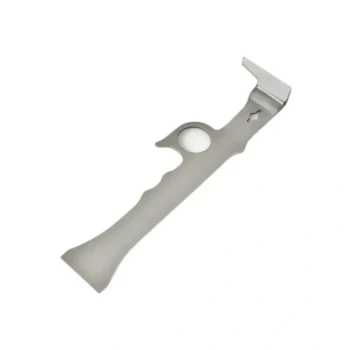
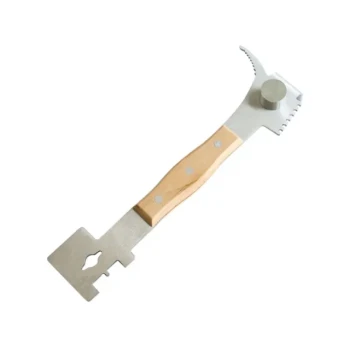
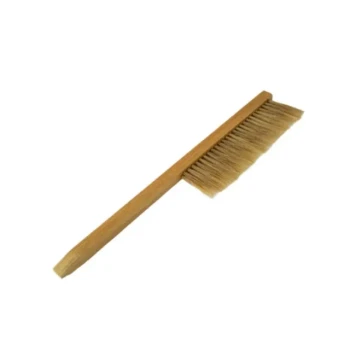
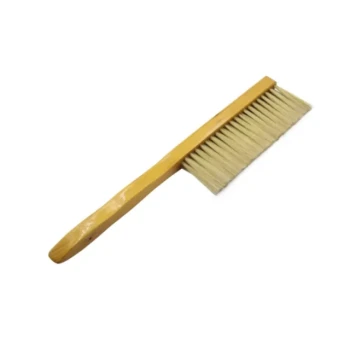
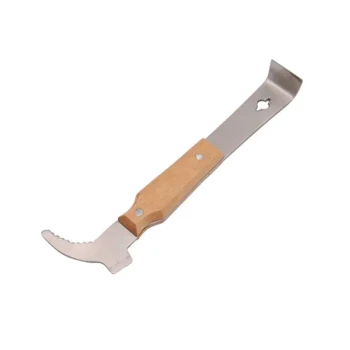
Commercial beekeepers should treat hive inspection as a structured diagnostic process: first examine brood and adult bees with appropriate inspection tools, then use confirmatory tests to distinguish American Foulbrood (AFB) from Varroa or Tropilaelaps mite damage. Key tools include a hive tool, brood-frame inspection light, diagnostic probe or matchstick, mite-uncapping fork, sticky board, alcohol-wash kit, sampling container, and protective sanitation equipment.
The central distinction is simple: AFB produces characteristic ropiness, foul odor, sunken or perforated cappings, and tightly attached scales. Mite infestations produce elevated mite counts, spotty or “pepperpot” brood, bald brood, mite feces, and deformed or stunted adult bees—so visual inspection should be supported by quantitative mite sampling.
Establish a Consistent Inspection Routine
Begin with the Brood Pattern
Inspect several brood frames rather than relying on a single suspicious cell. A healthy pattern is generally compact, while scattered, sunken, perforated, or missing cappings can indicate brood disease, mite damage, or another colony stressor.
Use a hive tool to lift frames safely and a bright inspection light to examine cell interiors. A headlamp or portable frame light improves visibility when dark scales or larvae are difficult to see.
Examine Cappings and Larvae
AFB commonly affects older, sealed larvae or pupae. Suspicious cells may have sunken or punctured cappings, discolored contents, and an unusual odor.
Mite-related brood damage can also create irregular patterns, but it is more often associated with bald brood, uncapped pupae, removed larvae, and scattered developmental failure.
Record Findings by Colony and Frame
Commercial operations should record the hive number, frame position, symptoms, estimated mite load, and any samples collected. This creates a useful history for comparing colonies and evaluating whether control measures are working.
A standardized inspection form or digital record system is as important operationally as the physical tools because it supports consistent decisions across crews and apiary locations.
Identify American Foulbrood with a Ropiness Test
Use a Diagnostic Probe Carefully
When a capped cell appears suspicious, use a clean diagnostic probe, matchstick, or ropiness-testing tool to open the cell and gently draw out the larval remains.
In a positive-looking reaction, the decomposed larval material forms a brownish, mucous-like thread that stretches into a rope as the probe is withdrawn. This is the characteristic “ropiness” associated with AFB.
Look for Supporting AFB Signs
The ropiness test should be interpreted together with other findings:
- Sunken or perforated cell cappings
- Darkened or discolored larval remains
- A foul or putrid odor
- Flat, dark scales adhering tightly to the lower cell wall
- Older larvae or pupae lying lengthwise in cells
A positive field indication warrants isolation and appropriate confirmation through the relevant veterinary, apiary, or regulatory authority. The ropiness test is a strong field-screening method, but it does not replace laboratory confirmation where confirmation is required.
Use UV Inspection as a Supplemental Method
Specialized UV inspection equipment can help reveal dried brood remains or scales that are difficult to see under ordinary light. It should be treated as a supplemental screening aid, not as a standalone diagnosis.
Because equipment specifications vary, operators should follow the manufacturer’s wavelength, eye-protection, and operating instructions rather than assuming that every UV device is suitable for AFB screening.
Detect Parasitic Mites with Visual and Quantitative Tools
Inspect Bees and Brood for Varroa
Look for red-brown adult female Varroa mites on adult bees, within brood cells, or on the hive floor. White fecal deposits on cell walls and damaged pupae can also support a mite diagnosis.
Adult bees emerging with deformed wings, shortened abdomens, poor development, or crawling near the entrance are important warning signs of heavy Varroa pressure and associated virus transmission.
Check for Bald Brood and Pepperpot Patterns
Worker bees may remove cappings from mite-infested or otherwise damaged pupae, producing bald brood. Severe infestations often create a scattered “pepperpot” brood pattern rather than a compact area of developing brood.
These signs are not exclusive to mites, so they should trigger mite-load testing rather than an immediate assumption about the cause.
Use Sticky Drop Boards
A sticky board or bottom-board insert captures mites that naturally fall from bees. After a defined monitoring interval, count the mites and calculate the result using the operation’s chosen standardized method.
Sticky boards are useful for trend monitoring and for checking whether a treatment is reducing mite drop. They are less reliable as a sole measure of the total mite population because natural drop varies with colony conditions and season.
Perform an Alcohol Wash
An alcohol-wash kit provides a more direct estimate of phoretic Varroa mites on adult bees. The kit typically includes a sampling container, screened lid or separation device, measuring vessel, and alcohol solution.
Collect bees from brood-adjacent frames while taking care not to sample the queen. The resulting mite count should be recorded consistently so colonies can be compared and treatment decisions can follow the operation’s approved integrated pest management protocol.
Examine Brood with an Uncapping Fork
A mite-uncapping fork can expose developing pupae for direct examination. Inspect the pupal bodies and cell walls for mites, mite fecal material, abnormal development, or other evidence of reproductive activity.
This method is particularly useful when adult-bee symptoms are absent but the brood pattern suggests a developing infestation.
Distinguish AFB from Mite Damage and Other Brood Diseases
AFB Versus Varroa-Related Damage
Both conditions can produce irregular brood patterns and discolored brood. The distinguishing AFB indicators are ropiness, foul odor, and tightly adhering scales.
Mite-damaged brood generally lacks the characteristic AFB rope and odor. Its scales are more likely to be non-brittle and easily removed, with mites or white fecal deposits sometimes visible in the cells.
AFB Versus European Foulbrood
European Foulbrood typically affects younger, unsealed larvae that may appear twisted or coiled. The remains are often watery or granular rather than strongly ropy and tightly adherent.
Because symptoms can overlap, field observations should guide sampling and further diagnosis rather than be used to justify uncontrolled treatment.
AFB Versus Sacbrood and Chalkbrood
Sacbrood may produce larvae with curled heads and a tough, sac-like appearance. Chalkbrood produces mummified, chalky white larvae, sometimes with dark spots, that are generally not firmly attached to the cell wall.
A clear reference guide, good lighting, and frame-level photographs can help inspection teams compare symptoms consistently.
Build an Inspection and Sanitation Tool System
Maintain Dedicated Diagnostic Tools
Tools used on suspect colonies can transfer contamination to healthy colonies. Keep probes, hive tools, gloves, sampling containers, and frame-handling equipment clean and organized between inspections.
Commercial apiaries should maintain enough duplicate equipment to avoid moving directly from a suspect hive to a healthy one without cleaning or changing tools.
Separate Screening from Confirmation
The field kit should support three stages:
- Observation: hive tool, frame light, magnifier, and inspection notes
- Field testing: diagnostic probe, sticky board, uncapping fork, and alcohol-wash kit
- Confirmation and response: sterile sampling containers, labeling supplies, sanitation equipment, and approved treatment or disposal resources
This separation reduces misdiagnosis and ensures that visual suspicion leads to an appropriate next step.
Match Procurement to Operational Scale
Distributors and commercial apiaries should evaluate tools as a system rather than purchasing isolated items. Compatibility, replacement-part availability, reliable delivery, and standardized kits matter when multiple crews inspect large numbers of colonies.
A dependable supplier should be able to support routine inspection consumables as well as specialized diagnostic equipment, because shortages in small items such as sample containers, alcohol-wash components, or sticky boards can interrupt an entire inspection program.
Understanding the Trade-offs
Visual Inspection Is Fast but Not Definitive
Visual examination is inexpensive and practical for screening many colonies. However, symptoms can overlap among AFB, mites, EFB, viral disease, nutritional stress, and other problems.
Use visual findings to prioritize colonies for testing, isolation, sampling, or treatment—not to replace confirmation when the diagnosis has serious regulatory or economic consequences.
Sticky Boards Are Convenient but Indirect
Sticky boards are low-stress and useful for monitoring mite fall over time. They do not directly measure all mites present on adult bees or in capped brood.
Alcohol washes generally provide a more direct adult-bee mite estimate, but they require sacrificing a sample of bees and must be performed consistently to produce meaningful comparisons.
AFB Control Requires More Than Treatment
AFB spores are persistent and can spread through contaminated comb, equipment, honey, drifting bees, robbing, and beekeeper handling. Infected equipment may require removal, destruction, or other action under local regulations.
Do not rely on routine sanitization or medication as a universal substitute for official disease-control procedures. Follow the requirements of the applicable apiary authority before moving, selling, or disposing of affected material.
Overreliance on One Symptom Creates Risk
A spotty brood pattern alone does not identify mites, and a sunken capping alone does not prove AFB. Reliable decisions come from combining brood appearance, adult-bee condition, mite counts, ropiness testing, records, and—when necessary—laboratory diagnosis.
How to Apply This to Your Inspection Program
Select tools according to the decision you need to make: screen, measure, confirm, or control.
- If your primary focus is early AFB detection: Standardize brood-frame inspection with strong lighting, a clean diagnostic probe, symptom records, and a defined procedure for submitting suspicious samples.
- If your primary focus is mite-load measurement: Combine routine alcohol washes with sticky-board monitoring and brood-frame examination rather than relying on visual symptoms alone.
- If your primary focus is large-scale apiary efficiency: Use standardized inspection kits, duplicate tools, labeled sampling containers, and a reliable replenishment system for consumables and replacement parts.
- If your primary focus is preventing spread: Establish clean-to-dirty inspection routes, sanitize or segregate equipment, and follow local authority requirements for confirmed or suspected AFB.
A disciplined combination of specialized tools, quantitative sampling, accurate records, and prompt biosecurity action gives commercial beekeepers the clearest path to protecting colony health and reducing avoidable losses.
Summary Table:
| Condition | Key Visual Signs | Confirmation Tools | Distinguishing Features |
|---|---|---|---|
| American Foulbrood | Sunken/perforated cappings, discolored larvae, foul odor | Diagnostic probe, UV inspection | Ropiness test positive, tightly adhering scales |
| Varroa Mites | Bald brood, spotted brood, deformed wings | Sticky board, alcohol wash, uncapping fork | Mite counts, white fecal deposits |
| European Foulbrood | Twisted larvae in unsealed cells | Visual inspection | Watery/granular remains, no ropiness |
| Sacbrood | Curled larvae in sacs | Visual inspection | Tough sac-like appearance |
| Chalkbrood | Mummified white larvae | Visual inspection | Chalky, not firmly attached |
Protect your commercial apiary from costly losses with HONESTBEE's comprehensive beekeeping equipment and diagnostic tools. Our full-spectrum product portfolio includes high-quality inspection tools, testing kits, and protective gear, backed by rapid delivery and dedicated support. Whether you're a distributor or commercial beekeeper, we help you maintain healthy hives with efficient one-stop sourcing and reliable supply. Contact us today to secure your colonies' health and your business's profitability. Get in touch.
Related Products
- Ergonomic Plastic Frame Spacer Tool for Rapid Hive Management Beekeeping
- Professional Dual-End Stainless Steel Hive Tool for Beekeeping
- Stainless Steel J Hook Hive Tool for Beekeeping
- HONESTBEE Classic Pry Bar Hive Tool with High Visibility Finish for Beekeeping
- HONESTBEE Advanced Ergonomic Stainless Steel Hive Tool for Beekeeping
People Also Ask
- What specific challenges do beekeeping hive tools address during hive maintenance? Essential Solutions for Apiaries
- How do specialized beehive management tools support high-purity honey production? Master Monofloral Isolation
- How do specialized beehive management tools assist in the routine maintenance of bee colonies? Boost Hive Efficiency
- How do spring inspections for honeybee starvation symptoms guide apiary management? Optimize Colony Survival & Growth
- How do traditional harvesting tools like axes and machetes negatively affect bee colonies? Upgrade to Professional Gear