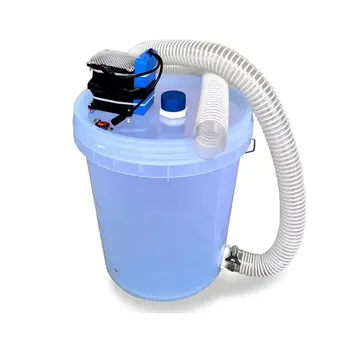
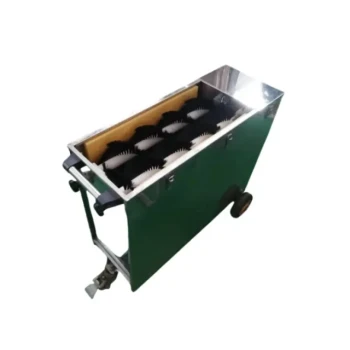
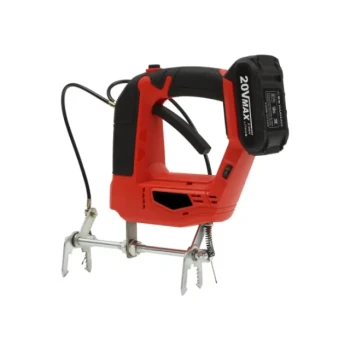
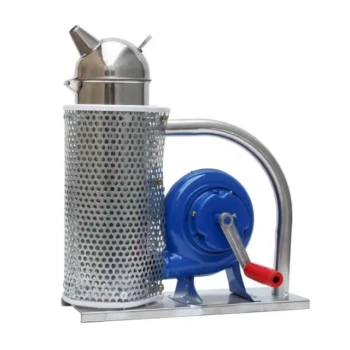
You can obtain a bee vacuum through two primary methods: purchasing a purpose-built commercial model from a specialized supplier or constructing a custom DIY version.
If you choose to purchase, commercial models from trusted suppliers are generally preferred because they come pre-tested to ensure they remove bees humanely. Alternatively, if you build your own, you must be prepared to rigorously test and calibrate the suction power to prevent harming the colony.
The critical factor in acquiring a bee vacuum is not just availability, but the specific engineering required to balance suction. The device must be powerful enough to capture bees yet gentle enough to ensure they survive the impact inside the collection container.
Acquiring the Right Tool
Purchasing a Commercial Model
The most straightforward way to obtain a bee vacuum is buying a unit from a trusted supplier.
These manufacturers design models specifically for apiary use. The primary advantage of this route is that the equipment has already been tested for safety.
You are paying for the assurance that the negative pressure levels are calibrated correctly to capture bees without injury.
Constructing a DIY Version
For those with technical skills, building a bee vacuum is a viable alternative.
This typically involves modifying a low-power vacuum cleaner or constructing a bypass system.
However, the burden of safety falls entirely on the builder. You must perform thorough testing to confirm the suction is not strong enough to kill the bees upon entry.
Essential Components and Function
The Mechanics of Suction
A bee vacuum operates on negative pressure, much like a standard household vacuum, but with significantly lower power.
The suction must be a delicate balance. It needs to be effective enough to pull a bee in, but gentle enough to avoid lethal force.
The Collection System
Unlike a standard vacuum that uses a dustbag, a bee vacuum requires a specialized reception bin.
This bin must be spacious enough to hold the bees safely without crushing or overheating them.
Ideally, the housing container should be a similar size to the standard hive bodies the bees will eventually be transferred into, simplifying the relocation process.
Understanding the Trade-offs
The Risk of Improper Suction
The most common pitfall in obtaining a bee vacuum—especially a DIY build—is excessive power.
If the suction is too high, bees will be killed or severely injured upon impact with the back of the reception bin.
Standard household vacuums cannot be used directly because their high velocity is lethal to the insects; they are designed for dirt, not living creatures.
Operational Safety
Possessing the tool does not guarantee safety; these devices should only be operated by individuals experienced with bees.
While bees are generally docile, the vacuuming process can trigger a defensive response as they attempt to protect their queen.
You must be prepared to handle an agitated colony safely during the transfer.
Making the Right Choice for Your Goal
Whether you are removing a rogue colony or collecting a swarm from a difficult location, the goal is safe relocation, not extermination.
- If your primary focus is immediate safety and reliability: Purchase a commercial model from a reputable supplier to ensure the suction levels are pre-calibrated for bee survival.
- If your primary focus is cost-efficiency or customization: Construct a DIY model, but commit to extensive testing of the intake pressure before using it on live bees.
Prioritize the welfare of the colony above all else to ensure the vacuum serves its purpose as a tool for preservation.
Summary Table:
| Acquisition Method | Key Advantages | Primary Considerations |
|---|---|---|
| Commercial Model | Pre-tested safety, calibrated suction, immediate reliability | Higher upfront cost, requires reputable supplier |
| DIY Construction | Cost-effective, fully customizable design | Risk of lethal suction, requires rigorous testing |
| Essential Parts | Suction motor, reception bin, bypass valve | Must prevent overheating and impact injury |
Scale Your Apiary Operations with HONESTBEE
At HONESTBEE, we understand that professional beekeepers and distributors require reliable, high-performance equipment to manage colonies safely and efficiently. Whether you are expanding a commercial apiary or supplying the next generation of beekeepers, our comprehensive wholesale portfolio has you covered.
From specialized bee vacuums and honey-filling machines to durable hive-making hardware and essential industry consumables, we provide the tools you need to succeed. Our mission is to deliver professional-grade machinery and cultural merchandise that bring value to your business and safety to your bees.
Ready to upgrade your equipment? Contact us today to explore our wholesale offerings and discover how HONESTBEE can support your growth!
Related Products
- Portable Electric Bee Vacuum with Lithium Battery and 20L Collection Bucket
- Commercial Grade Vertical Electric Bee Sweeper for Bee Removal
- Double Row Artificial Fiber Bee Brush for Beekeeping
- Stainless Steel Round Beehive Air Vents for Ventilation
- High Performance Cordless Electric Bee Shaker for Beekeeping
People Also Ask
- What are the advantages of using portable bee vacuums for sampling honey bees? Optimize Nosema Detection Efficiency
- Who is qualified to use a bee vacuum? Essential Safety and Experience Requirements for Effective Bee Relocation
- What potential problems can occur when using a bee vacuum? Prevent Colony Mortality and Ensure Safe Bee Removal
- What are the benefits of using a bee vacuum? Safely Remove & Preserve Honey Bee Colonies
- Why do people use bee vacuums? A Humane Solution for Live Bee Removal