To significantly reduce the weight of a beehive for manual handling, you must systematically remove the heaviest components prior to the move. The most effective method involves removing honey supers using a fume board and bee repellent to clear the bees, or disassembling the hive completely to move it as individual boxes.
By separating the heavy honey stores from the colony or breaking the hive into smaller units, you transform a potentially dangerous lift into manageable tasks. However, this must be done with temporary covers and secure containment to prevent bee escape during transport.
Reducing Weight via Component Removal
Removing Honey Supers
The honey supers often constitute the bulk of a hive's weight. To remove them safely before a move, you must first evacuate the bees from these boxes.
Use a fume board applied with a bee repellent spray. This drives the bees down out of the supers and into the lower brood chamber. Once the bees are cleared, you can remove the heavy supers, leaving only the brood boxes to be moved.
Disassembling the Brood Chamber
If the remaining brood boxes are still too heavy to lift safely, you should not attempt to move the hive as a single unit. Instead, disassemble the hive further.
Separate the brood boxes and move them individually. This significantly lowers the weight per lift, reducing the risk of back injury or dropping the colony.
Securing Individual Units
When moving a hive in separate pieces, containment is critical. You cannot simply stack open boxes in a vehicle.
Each separated box requires its own temporary cover and bottom board. This ensures the bees remain trapped inside their specific section during the move, preventing aggressive leaks.
Essential Handling Protocols
Utilizing Mechanical Aid
Even after weight reduction, beehives are awkward and dense objects. Do not rely solely on manual lifting if avoidable.
Use a dolly to transport the boxes from the stand to the vehicle. This adds stability and reduces physical strain.
Recruiting Assistance
It is highly recommended to recruit help. A second set of hands stabilizes the load and prevents accidents that could result in a dropped hive.
Timing and Stress Management
Once the hive is sealed, secured, and lightened, move it immediately. Minimizing the time the bees are confined reduces colony stress.
Understanding the Trade-offs
Increased Defensiveness
Bees are notoriously "crawly" and defensive at night, which is when most moves occur. Breaking a hive apart into smaller boxes increases disturbance and agitation.
You must wear full protective gear. Do not assume that because it is dark, the bees will be docile; the vibration of disassembly will provoke them.
Transport Stability
While lighter boxes are easier to lift, they may be more prone to shifting during the drive than a heavy, monolithic tower.
Hives must be packed closely together or wedged into tight spaces within the vehicle. This prevents the lighter individual units from sliding, tipping, or separating while on the road.
Making the Right Choice for Your Goal
Select your weight reduction strategy based on your physical capability and available equipment.
- If your primary focus is maximum weight reduction: Disassemble the entire hive, moving the honey supers and each brood box individually with their own temporary covers.
- If your primary focus is minimizing colony disturbance: Remove only the honey supers to reduce the bulk, but keep the brood chamber intact and use a dolly to manage the remaining weight.
Always prioritize stable footing and secure containment over speed to ensure both you and the bees arrive safely.
Summary Table:
| Method | Weight Reduction Level | Colony Disturbance | Equipment Needed |
|---|---|---|---|
| Removing Honey Supers | High | Moderate | Fume board, Bee repellent |
| Disassembling Brood Boxes | Maximum | High | Temporary covers, Bottom boards |
| Using Mechanical Aids | N/A (Easier Lifting) | Low | Hand truck / Dolly |
| Full Disassembly | Maximum | High | Full PPE, Secure fasteners |
Streamline Your Commercial Apiary with HONESTBEE
Moving hives and managing honey production requires professional-grade reliability. HONESTBEE empowers commercial apiaries and distributors by providing a comprehensive range of beekeeping solutions designed to reduce labor and maximize efficiency. From durable hive components and specialized honey-filling machines to high-capacity hive-making hardware, we supply the essential tools and consumables needed to scale your operations.
Ready to elevate your beekeeping business? Our team is dedicated to supporting your growth with premium wholesale equipment and expert industry insights. Contact us today to discover how HONESTBEE can optimize your production and supply chain!
Related Products
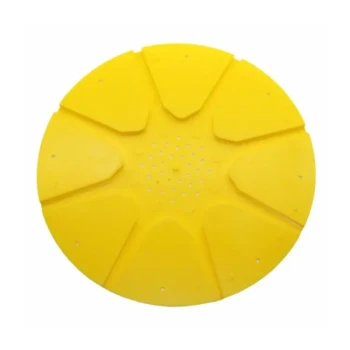
- Efficient Hive Clearing: HONESTBEE 8-Way Plastic Bee Escape
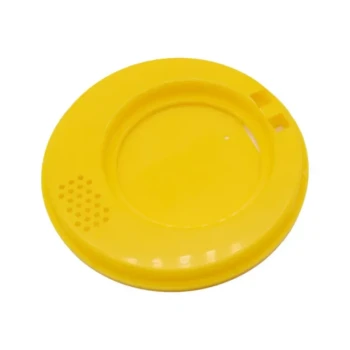
- Circular Labyrinth Bee Escape for Efficient Hive Management
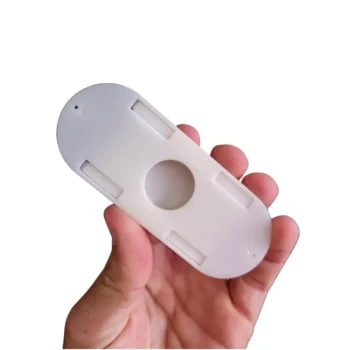
- Professional Durable Two-Piece Plastic Bee Escape
- Australian Langstroth Beehive Boxes for Beekeeping Wholesales
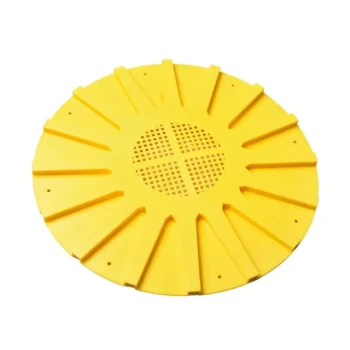
- Durable 16 Way Circular Bee Escape for Efficient Honey Harvesting
People Also Ask
- How is a bee escape, or clearer board, used to harvest honey from a Langstroth hive? The Stress-Free Harvesting Guide
- What mechanical methods and tools are used to clear bees from honey supers? Efficient Tools for a Smooth Harvest
- What is the result of using a bee escape board for 24 hours? Achieve a Near Bee-Free Honey Super
- What are the different types of bee escape boards? Choose the Right One for a Stress-Free Honey Harvest
- How do bee escape boards and fume boards assist in honey harvesting? Optimize Your Harvest with Low-Stress Tools