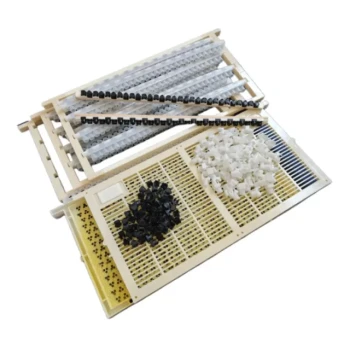
Artificial queen rearing and queen cell management serve as critical interventions against genetic randomness. By replacing natural selection with controlled propagation, these techniques allow beekeepers to systematically select for desirable traits—such as reduced aggression and higher productivity—while mitigating the risks of genetic degradation inherent in natural colony turnover.
Natural breeding often introduces unpredictability into an apiary. Artificial rearing converts this uncertainty into a managed process, ensuring that every new generation of queens reinforces the specific genetic qualities required for a sustainable and productive operation.
The Strategy Behind Genetic Stabilization
Mitigating Natural Degradation
In a natural setting, colony turnover can lead to a dilution of desirable traits over time. Artificial rearing interrupts this cycle of degradation. It allows the beekeeper to maintain a high genetic standard rather than leaving the colony's future to chance.
Controlled Queen Replacement
Regularly replacing queens is essential for maintaining colony vitality. Through queen cell management, you ensure that replacement is not a desperate reaction to failure, but a planned upgrade. This proactive approach maintains genetic stability across the entire apiary.
Targeting Specific Performance Traits
Reducing Colony Defensiveness
One of the primary goals of artificial rearing is lowering aggression. By selectively breeding from gentle stock, you can significantly reduce colony defensiveness. This makes the bees safer to work with and reduces stress during hive inspections.
Enhancing Environmental Adaptability
Contrary to the belief that artificial selection weakens bees, proper management actually improves resilience. Techniques are used to propagate colonies that demonstrate superior adaptability to local environmental conditions. This results in stock that is robust and better suited to your specific climate.
Maximizing Productivity
Genetic improvement is directly linked to economic output. Breeders use these techniques to isolate and amplify traits responsible for higher honey production. This ensures that resources are consumed efficiently and surplus yields are maximized.
The Role of Precision Technology
Eliminating Mating Uncertainty
While rearing manages the queen, artificial insemination manages the drone genetics. Supplementary data indicates that natural mating introduces significant variables that can undo breeding progress. Artificial insemination removes this uncertainty, guaranteeing the queen creates offspring with a known genetic background.
Micro-Operation Precision
Advanced breeding relies on precision micro-operation equipment. This technology allows for the exact control of genetic combinations. It transforms beekeeping from a practice of husbandry into a precise science of genetic engineering for disease resistance and quality.
Understanding the Trade-offs
Increased Management Complexity
Artificial rearing moves you away from a "hands-off" approach. It requires a significant investment in time, specialized equipment, and technical skill. You must be committed to a rigorous schedule, as timing is critical in queen cell development.
The Burden of Selection
The power to select traits carries the responsibility to select wisely. Focusing too heavily on a single trait (like honey production) without balancing for others can inadvertently weaken the stock. Holistic breeding plans are necessary to prevent unforeseen genetic bottlenecks.
Making the Right Choice for Your Goal
To determine how deeply you should integrate these techniques, consider your primary operational objectives:
- If your primary focus is Commercial Production: Implement artificial insemination and strict cell management to maximize honey yields and ensure uniform colony strength.
- If your primary focus is Apiary Safety and Ease: Prioritize artificial rearing to select specifically for reduced aggression and lower defensiveness, making management significantly easier.
By shifting from passive observation to active genetic management, you secure not just the survival of your colonies, but their continuous evolution toward higher quality and stability.
Summary Table:
| Technique | Primary Benefit | Strategic Impact |
|---|---|---|
| Artificial Rearing | Controlled Selection | Eliminates genetic randomness and preserves desirable colony traits. |
| Queen Cell Management | Proactive Replacement | Prevents colony degradation by replacing aging queens with high-quality stock. |
| Selective Breeding | Behavioral Improvement | Reduces aggression and enhances environmental adaptability/resilience. |
| Artificial Insemination | Drone Control | Eliminates mating uncertainty for precise genetic combinations. |
| Micro-Operation Tools | Scientific Precision | Enables exact control over breeding for disease resistance and quality. |
Elevate Your Apiary’s Genetic Potential with HONESTBEE
Transitioning from passive beekeeping to active genetic management requires the right tools and expertise. HONESTBEE supports commercial apiaries and distributors by providing a comprehensive range of professional-grade beekeeping equipment. From high-precision queen rearing kits and artificial insemination tools to industrial honey-filling machines and hive-making machinery, we supply everything your operation needs to scale effectively.
Our portfolio is designed to help you maximize honey yields, enhance colony stability, and streamline your production workflow. Whether you are looking for bulk consumables or specialized hardware, HONESTBEE is your partner in sustainable beekeeping success.
Ready to optimize your production and genetic standards?
Contact us today to discuss your wholesale needs
References
- Ernesto Guzmán‐Novoa, José Javier G. Quezada‐Euán. The Process and Outcome of the Africanization of Honey Bees in Mexico: Lessons and Future Directions. DOI: 10.3389/fevo.2020.608091
This article is also based on technical information from HonestBee Knowledge Base .
Related Products
- Retractable Chinese Queen Rearing Grafting Tools Equipment
- No Grafting Queen Rearing Kit: System for Royal Jelly Production and Queen Rearing
- Nicot Queen Rearing Kit for Beekeeping and Grafting in Nicot System
- Premium Nicot Style Queen Rearing Kit with Hair Roller Bee Cages
- Stainless Steel Queen Grafting Tool for Beekeeping and Bee Queen Grafting
People Also Ask
- Which specialized tools are necessary for implementing standardized queen rearing? Scale Your High-Yield Apiary
- Why are specialized queen rearing tools necessary to mitigate winter hive losses? Boost Apiary Survival and Recovery
- How do queen-rearing tools facilitate the sustainability and expansion of a commercial apiary? Drive Scalable Growth
- In what ways do modern queen rearing equipment and grafting tools improve competitiveness? Boost Breeding Success Rate
- How do queen rearing tools and queen introduction hardware support commercial apiaries? Manage Queen Failure Effectively