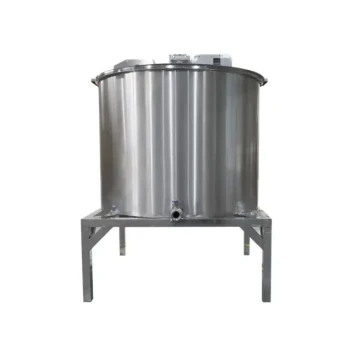
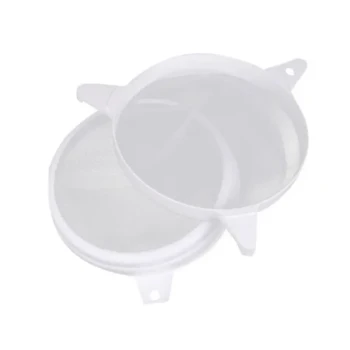
Automated honey extraction and filtration systems provide a critical technical barrier against environmental toxins. By utilizing high-precision centrifugal force and multi-stage filtration, these systems effectively isolate and remove fine plant debris and impurities that frequently carry pesticide residues. This industrial-grade approach ensures that honey harvested from pesticide-exposed regions still meets the rigorous chemical and safety standards required for international trade and large-scale distribution.
Core Takeaway: For B2B distributors, automated systems are not just about efficiency; they are the primary mechanism for transforming potentially contaminated raw honey into a standardized, export-ready product that satisfies global food safety regulations.
The Mechanics of Pesticide and Contaminant Removal
Precision Filtration of Residue-Carrying Debris
Pesticides often adhere to microscopic plant particles and fine debris within the raw honey. Industrial filtration systems utilize multi-stage screening to remove these physical carriers, significantly lowering the risk of toxic substances entering the final batch.
Centrifugal Force as a Purification Tool
Automated extraction leverages high-speed centrifugal force to separate honey from wax and environmental particulates. This process is far more effective than traditional gravity-based methods at isolating the pure honey from contaminants that might be trapped in the hive's physical structure.
Mitigation of Biological Impurities
In regions where environmental stress increases pest pressure, honey is susceptible to contamination from larval remains or mold. Automated multi-stage systems efficiently strip these biological contaminants, preserving the product's purity and protecting the commercial reputation of the distributor.
Protecting Chemical Integrity and Standardization
Enclosed Systems and Secondary Contamination
Manual handling is a significant vector for contamination. Fully enclosed operating systems and automated filling machines eliminate human contact, preventing the introduction of external pollutants or secondary microbial growth during the final packaging stages.
Thermal Regulation and HMF Prevention
Precision equipment uses temperature compensation controls to prevent localized overheating. This is critical for preventing the development of Hydroxymethylfurfural (HMF), a chemical marker of heat-damaged honey that can lead to rejection in many high-value import markets.
Moisture Control and Enzyme Preservation
Automated systems utilize closed-loop circulation to ensure honey does not absorb environmental moisture. By maintaining optimal density and viscosity, these systems protect the honey’s natural enzyme activity, which is a key indicator of quality for B2B wholesalers.
Understanding the Trade-offs
Technical Complexity vs. Quality Assurance
While automated systems offer superior safety, they require deep professional expertise to operate and maintain. The trade-off for higher purity is a more complex supply chain that necessitates partners who offer comprehensive technical support and rapid response times.
Initial Investment vs. Market Access
The capital expenditure for industrial-grade filtration is higher than traditional methods. However, this investment is often the only way to ensure compliance with stringent international hygiene regulations, making it a prerequisite for distributors targeting premium markets.
Speed of Fulfillment vs. Precision
Ultra-fast delivery requirements can sometimes clash with the precision needed for multi-stage filtration. Balancing efficient order fulfillment with rigorous safety checks requires a robust sourcing partner who maintains a full-spectrum product portfolio ready for immediate dispatch.
Choosing the Right Sourcing Strategy
Distributors and resellers must align their equipment and sourcing choices with their specific market objectives to ensure both safety and profitability.
- If your primary focus is International Export Compliance: Prioritize sourcing from facilities using multi-stage, high-precision filtration and enclosed bottling systems to guarantee the removal of all physical and chemical impurities.
- If your primary focus is Shelf-Life and Stability: Invest in partners who utilize temperature-compensated automation to prevent HMF spikes and moisture absorption, ensuring the honey remains "fresh" during long transit times.
- If your primary focus is Rapid Market Entry: Leverage suppliers who offer one-stop sourcing and ultra-fast delivery of standardized, pre-tested products to minimize the risks associated with regional pesticide exposure.
By integrating automated processing into the supply chain, distributors can confidently navigate the challenges of pesticide-affected regions while delivering a safe, high-purity product to the global market.
Summary Table:
| Feature | Technical Mechanism | Safety & Quality Benefit |
|---|---|---|
| Multi-Stage Filtration | Precision screening of micro-debris | Removes pesticide-carrying plant particles |
| Centrifugal Extraction | High-speed automated separation | Isolates pure honey from environmental toxins |
| Enclosed Systems | Fully automated, touch-free operation | Prevents secondary microbial contamination |
| Thermal Regulation | Precision temperature compensation | Prevents HMF spikes and preserves enzymes |
| Closed-Loop Processing | Controlled atmospheric circulation | Maintains optimal density and prevents moisture absorption |
Scale Your Honey Business with HONESTBEE’s Professional Grade Solutions
For commercial apiaries and B2B distributors, ensuring product purity in challenging environments is the key to market dominance. HONESTBEE provides a comprehensive one-stop sourcing experience for all your beekeeping and processing needs. From high-precision honey-filling machines to industrial-grade extraction systems, we help you transform raw harvests into premium, export-ready products.
Why Partner with HONESTBEE?
- Full-Spectrum Portfolio: Access everything from specialized hardware to essential industry consumables and cultural merchandise.
- Distributor-Focused Support: Benefit from deep professional industry expertise, OEM/ODM support, and certifications that protect your profit margins.
- Unmatched Efficiency: Experience rapid response times and ultra-fast delivery to keep your supply chain moving.
Ready to elevate your honey production safety and efficiency?
Contact Our Export Specialists Today
References
- Exploring the Adverse Impact of Pesticides in Honey Bees and Their Virulence. DOI: 10.33263/lianbs132.068
This article is also based on technical information from HonestBee Knowledge Base .
Related Products
- Automatic Honey Filling and Filtering Machine for Beekeeping Bottle Filling
- Honey Concentrating and Filtering Dehumidifier Machine 2T Capacity for Honey
- Electric Double Wall Honey Filtering Machine Purifier Equipment for Honey Processing Plant
- 32 Frame Commercial Electric Honey Extractor for Beekeeping and Honey Production
- HONESTBEE 72 Frame Industrial Electric Honey Extractor for Beekeeping
People Also Ask
- What process advantages do professional honey filtering and filling machines provide? Optimize Your Organic Honey Output
- How do honey filling and filtering machines increase product value? Turn Raw Honey into Premium Export-Grade Goods
- How do honey filtration and filling machinery contribute to industrialization? Scale Your Commercial Honey Production
- What specific issues do industrial filtration and automated filling machinery address? Ensure Honey Quality & Compliance
- How does the use of professional honey filtration and filling machinery facilitate international honey exports?