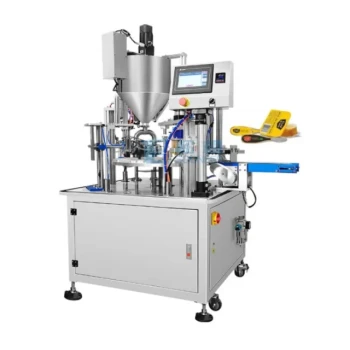
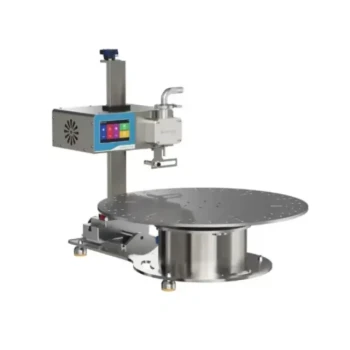
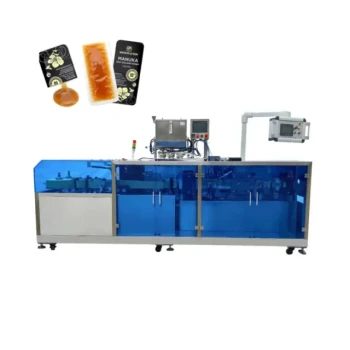
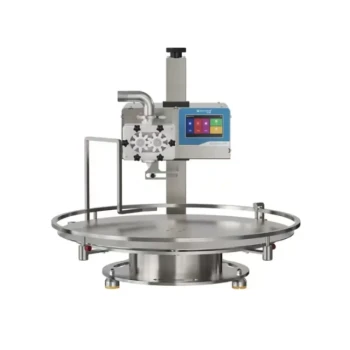
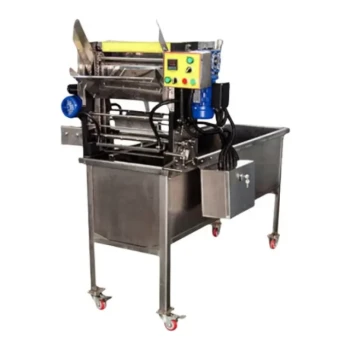
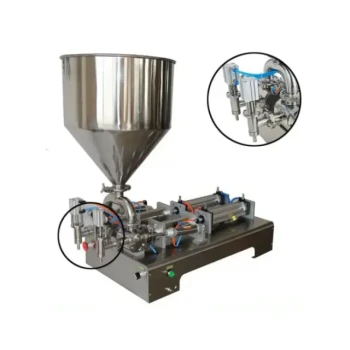
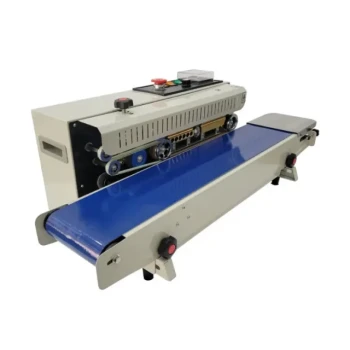
Automated honey filling and sealing machines serve as the primary defense system for preserving honey’s chemical integrity during the transition from bulk storage to retail packaging. By conducting precise volumetric dosing within a hygienic, enclosed environment, these systems actively prevent the absorption of atmospheric moisture and minimize oxidation, directly safeguarding the product's physicochemical stability.
Core Takeaway Honey is highly hygroscopic, meaning it naturally absorbs moisture from the air, which can alter its chemistry and lead to fermentation. Automated machinery mitigates this risk by minimizing environmental exposure and applying an airtight seal. This process locks in critical physicochemical indicators—specifically electrical conductivity, pH, and HMF levels—ensuring the honey remains stable, compliant, and chemically authentic throughout its shelf life.
Preserving Chemical Stability Through Environmental Control
To understand the value of automation, one must understand the vulnerability of honey. It is a supersaturated sugar solution that is chemically active and sensitive to its environment. Automated machines address this through two mechanisms: exposure reduction and hermetic sealing.
The Battle Against Moisture Absorption
Honey will naturally pull water vapor from humid air. If the water content rises above specific thresholds (typically 17-20%), yeast naturally present in the honey can trigger fermentation.
Automated filling operates in a closed, controlled environment. This drastically minimizes the time the liquid is exposed to the atmosphere compared to manual methods. By reducing this "open time," the machinery prevents fluctuations in water content, ensuring the product does not become diluted or prone to spoilage before it even leaves the factory.
Stabilizing Key Quality Indicators
The stability of honey is measured by specific physicochemical markers. The airtight seal applied by automated cappers is critical for maintaining these baselines:
- Electrical Conductivity: This measures mineral content. A stable seal prevents external contaminants or moisture shifts that could alter this reading.
- pH Levels: Honey is naturally acidic. Proper sealing prevents environmental interaction that could destabilize the pH balance.
- HMF (Hydroxymethylfurfural): This is a marker of heat damage and aging. By ensuring an efficient, ambient-temperature fill and immediate seal, the process helps keep HMF levels low and stable.
Controlling Oxidation and Acidity
Exposure to oxygen is detrimental to honey. It can lead to increased acidity and the degradation of volatile compounds.
Automated equipment facilitates rapid processing, moving honey from tank to sealed jar quickly. This speed reduces oxidation, thereby preventing unwanted increases in acidity. Furthermore, for aromatic varieties like Acacia or Chestnut, this rapid sealing preserves the volatile aromas that define the honey’s sensory profile.
Enhancing Hygiene and Uniformity
Beyond the chemistry of the liquid itself, the physical environment of the packaging line plays a massive role in the final product analysis.
Eliminating Secondary Contamination
Manual handling introduces biological variables. Human interaction increases the risk of introducing foreign microbes or debris.
Automated machines provide sterile filling conditions. By removing the human element from the direct filling zone, the risk of secondary microbial contamination is virtually eliminated. This is essential for meeting international food safety standards and ensuring the product remains pure.
Precision Dosing for Regulatory Compliance
Commercial honey is subject to strict labeling laws regarding net weight and volume.
Industrial-grade machines utilize high-precision volumetric dosing. This ensures that every unit contains the exact specified amount of product. This uniformity is not just an economic benefit; it ensures that the density and weight calculations remain consistent across batches, which is a key metric for quality control audits.
Understanding the Trade-offs
While automation offers superior chemical preservation, it introduces operational complexities that must be managed to maintain that quality.
Calibration Sensitivity
The precision of these machines relies on rigorous calibration. If the anti-drip designs or volumetric sensors are not perfectly maintained, the system can introduce air bubbles or inconsistent fill levels. Air bubbles trapped inside the jar can accelerate oxidation, countering the benefits of the airtight seal.
Maintenance of the "Closed Loop"
The hygiene benefit is only as good as the machine's cleanliness. Because the system is enclosed to protect the honey, cleaning and sanitation protocols must be strict. Any residue left in the filling nozzles from a previous batch can act as a seed for crystallization or contamination in the next run.
Making the Right Choice for Your Goal
When integrating automated filling into your processing line, consider your primary objective to select the right machine parameters.
- If your primary focus is Shelf Life and Stability: Prioritize machines with high-speed capping and vacuum sealing capabilities to minimize oxygen presence and lock in HMF and pH levels immediately.
- If your primary focus is Sensory Quality (Aroma/Taste): Choose equipment designed for low-temperature handling and rapid sealing to prevent the loss of volatile aromatic compounds found in delicate varietals.
- If your primary focus is Regulatory Compliance: Ensure the machine features advanced volumetric feedback loops to guarantee net weight consistency and traceability for audit trails.
Ultimately, automated filling transforms honey from a vulnerable raw agricultural product into a stabilized, standardized commodity that can withstand the rigors of the modern supply chain.
Summary Table:
| Key Feature | Physicochemical Benefit | Quality Impact |
|---|---|---|
| Precise Volumetric Dosing | Maintains density & weight consistency | Ensures regulatory compliance |
| Closed Environment | Minimizes moisture absorption | Prevents fermentation & spoilage |
| Hermetic Sealing | Stabilizes pH, HMF, and conductivity | Extends shelf life & freshness |
| Rapid Processing | Reduces oxygen exposure | Prevents oxidation & acidity spikes |
| Hygienic Design | Eliminates microbial contamination | Enhances purity & food safety |
Scale Your Honey Production with HONESTBEE Precision
Maintaining the delicate chemical integrity of honey requires more than just a container—it requires a precision-engineered solution. At HONESTBEE, we specialize in supporting commercial apiaries and distributors with high-performance automated honey-filling and honey-making machines designed to protect your product's stability and value.
From industrial-grade machinery to essential beekeeping tools and honey-themed cultural merchandise, we provide the full spectrum of equipment needed to grow your brand. Contact us today to discover how our wholesale solutions can enhance your efficiency and secure your honey's quality for the global market.
References
- Ma. Antonett D. See, Cleofas R. Cervancia. Physio-Chemical Characteristics of Commercial Honey in Select Supermarkets in Metro Manila, Philippines. DOI: 10.59852/tpe-a597v25i2
This article is also based on technical information from HonestBee Knowledge Base .
Related Products
- Precision Automated Packaging Turntable Honey Spoon Filling Sealing Packing Machine
- Automatic Honey Filling and Filtering Machine for Beekeeping Bottle Filling
- Fully Automatic Honey Filling Packaging Machine for Processing Line
- Precision Durable Efficient HONESTBEE Rotary Honey Filling Machine
- Automatic Single-Dose Snap & Squeeze Honey Sachets Packing Machine
People Also Ask
- Why is the use of professional filling and sealing packaging machinery necessary for the production of high-value honey?
- What role do automated filling and packaging machines play in the honey supply chain? Scale Your Retail Distribution
- What are the benefits of automated honey filling and packaging? Scale Your Apiary with Industrial Precision
- What role do professional automated filling and packaging machines play in honey processing? Boost Efficiency & Value
- How do automated honey filling and packaging machines contribute to the market value of honey products? Maximize Your ROI