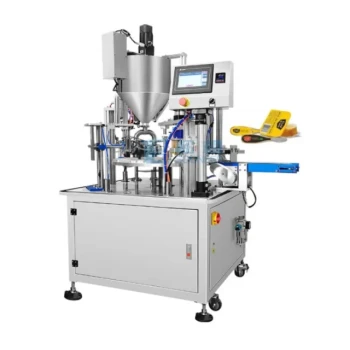
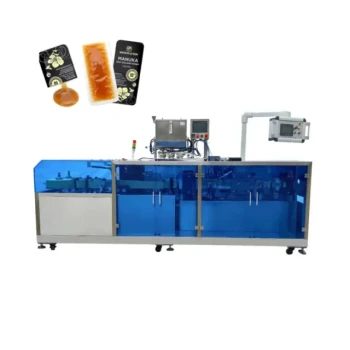
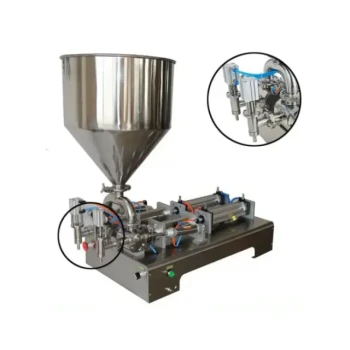
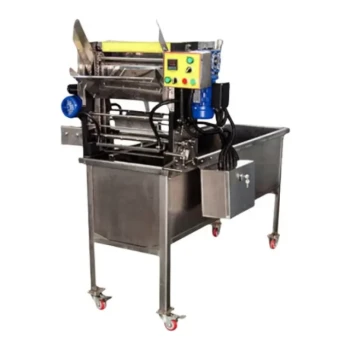
Automated honey filling machines serve as a strategic asset that fundamentally alters the economic potential of beekeeping operations. By enabling rapid, hygienic packaging with precise dosage control, these systems allow producers to transition from selling low-margin bulk raw materials to marketing high-value, branded retail goods that comply with rigorous international safety standards.
The core competitive advantage of automation is value transformation. It shifts the business model from simple commodity trading to sophisticated brand building by ensuring the consistency, hygiene, and aesthetic quality required for premium retail markets and export channels.
Transforming Product Value and Market Access
Shifting from Commodity to Brand
The primary driver of competitiveness is the ability to reposition inventory. Without automation, honey is often sold as a low-cost bulk raw material.
Automated filling enables the creation of consumer-ready units. This allows enterprises to capture the significantly higher "added value" found in retail pricing rather than wholesale commodity pricing.
Unlocking High-End Markets
Premium retailers and supermarkets require strict standardization. Manual processes rarely achieve the uniformity required for these channels.
Automated systems ensure consistent fill levels and professional packaging. This "shelf-ready" appearance is the hardware foundation necessary to compete with established imported brands.
Compliance with International Standards
Global trade requires adherence to stringent food safety regulations. Manual filling introduces variability that can jeopardize compliance.
Automation integrates sterile sealing and precise metering. This guarantees that products meet the physicochemical and hygiene indicators necessary for international market access.
Enhancing Operational Precision and Efficiency
Eliminating Waste through Precision
Manual filling often leads to "overfill" to avoid under-weight penalties, resulting in raw material loss.
Automated machines utilize high-precision piston or weighing systems. These ensure strict compliance with net weight label specifications, minimizing product giveaway and maximizing yield from the raw harvest.
Reducing Labor Overheads
Reliance on manual labor for packaging creates a bottleneck that limits scalability and increases variable costs.
Automation significantly reduces the labor hours required per unit. This lowers the overall cost of goods sold, allowing producers to maintain healthy margins even while pricing competitively.
Ensuring Product Integrity and Shelf Appeal
Minimizing Contamination Risks
Human contact is the primary vector for contamination in food processing.
Automated lines synchronize filling and capping to minimize human intervention. Features like no-drip nozzles ensure container necks remain clean, facilitating a sterile, airtight seal that protects the product.
Preservation of Quality
Honey is sensitive to oxidation and moisture. Poor sealing can degrade the product before it reaches the consumer.
Standardized, machine-driven sealing processes create a critical barrier against environmental factors. This preserves the honey's quality, extending shelf life and maintaining the brand's reputation for freshness.
Understanding the Operational Trade-offs
While automated filling increases competitiveness, it introduces specific operational challenges that must be managed.
Upfront Capital vs. Long-Term Gain
The initial investment for industrial filling equipment is substantial. Producers must have sufficient production volume to amortize this cost effectively over time.
Maintenance and Technical Expertise
Moving from manual to automated processes shifts the labor requirement from general physical labor to skilled technical maintenance. Downtime due to mechanical failure can halt production entirely, requiring a robust maintenance schedule.
Flexibility Limitations
High-speed machines are optimized for specific container shapes and sizes. Changeovers between different jar types can be time-consuming, potentially reducing agility for producers with highly diverse product lines.
Making the Right Choice for Your Goal
To leverage automation for maximum competitiveness, align the technology with your specific business objective:
- If your primary focus is Export and Mass Retail: Prioritize machines with high-speed throughput and certified sterile sealing capabilities to meet international regulatory hurdles.
- If your primary focus is Brand Building and Margins: Focus on precision metering and aesthetic consistency to ensure your product commands a premium price on the shelf.
- If your primary focus is Cost Reduction: Look for systems that emphasize waste reduction (precise dosing) and labor minimization to improve your bottom line.
By treating packaging automation as a strategic investment rather than just a production tool, producers can turn raw hive output into a globally competitive consumer brand.
Summary Table:
| Competitive Factor | Manual Processing | Automated Filling | Business Impact |
|---|---|---|---|
| Market Position | Bulk commodity supplier | Premium branded retailer | Higher profit margins |
| Precision & Waste | High overfill/variability | High-precision dosing | Maximum yield & cost savings |
| Hygiene & Safety | Higher contamination risk | Sterile, closed-system filling | International export compliance |
| Labor Efficiency | High labor cost per unit | Minimal labor requirement | Scalable production volume |
| Packaging Quality | Inconsistent shelf appeal | Uniform, professional finish | Enhanced consumer brand trust |
Elevate Your Beekeeping Operation with HONESTBEE
At HONESTBEE, we specialize in empowering commercial apiaries and distributors with the industrial-grade tools needed to dominate the global market. Our comprehensive range of honey-filling machines, hive-making equipment, and beekeeping machinery is designed to transform your raw honey into a premium, shelf-ready brand.
Whether you are scaling your production for mass retail or seeking to meet stringent international export standards, HONESTBEE provides the technical hardware and industry consumables to ensure your success. Contact us today to discover how our wholesale solutions and specialized machinery can maximize your yield and build your brand's competitive edge.
References
- Oleksandr Shubalyi, Iryna HRYNYK. Financial and economic stimulation of in-depth processing of beekeeping products in Ukraine. DOI: 10.33763/npndfi2020.04.066
This article is also based on technical information from HonestBee Knowledge Base .
Related Products
- Fully Automatic Honey Filling Packaging Machine for Processing Line
- Automatic Honey Filling and Filtering Machine for Beekeeping Bottle Filling
- Precision Durable Efficient HONESTBEE Rotary Honey Filling Machine
- Semi Automatic Small Honey Bottle Filling Machine Honey Filler
- Precision Automated Packaging Turntable Honey Spoon Filling Sealing Packing Machine
People Also Ask
- Why are fully automatic honey filling and packaging lines essential? Boost Your Honey's Market Value and Quality
- What is a fully-automatic honey filler? Streamline Your Production with High-Precision Automation
- How do automated honey filling and packaging machines affect profitability? Boost Margins with HONESTBEE Technology
- How do automated honey filling and packaging machines contribute to the market value of honey products? Maximize Your ROI
- How do industrial-grade automated honey filling and packaging machines mitigate the risk of physical contamination?