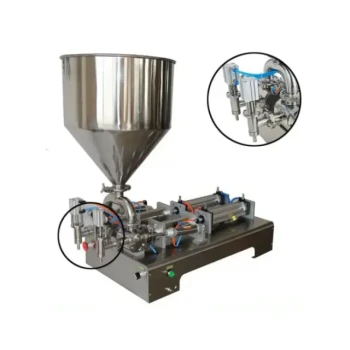
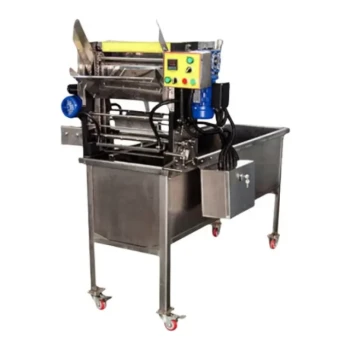
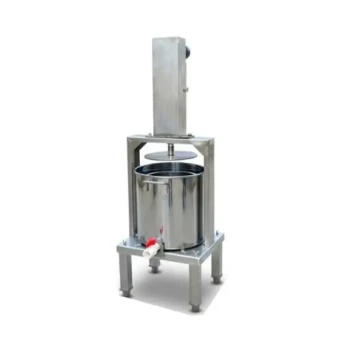
Automated honey-filling machines function as the critical operational bridge between amateur urban beekeeping and a professional commercial enterprise. They facilitate this transition by converting raw, bulk honey collected from diverse micro-regions into standardized, hygienic, and shelf-ready consumer commodities.
The commercial viability of urban beekeeping relies not just on honey production, but on processing efficiency. Automated filling technology transforms variable agricultural output into a consistent high-value retail product, providing the necessary foundation for brand development and economic self-sufficiency.
Transforming Raw Harvest into Retail Inventory
Ensuring Standardization and Consistency
For urban honey to be sold in a competitive marketplace, it must meet consumer expectations for consistency. Automated filling machines enable the precise, quantitative dispensing of honey into retail containers.
Guaranteeing Net Weight Accuracy
Manual filling often results in weight variances that can lead to regulatory issues or consumer distrust. Automation ensures that every unit complies with strict net weight requirements, a fundamental requirement for commercial retail.
Elevating Hygiene Standards
Urban consumers prioritize safety and cleanliness. Automated machinery supports a closed, hygienic bottling process that minimizes human contact with the product. This capability is essential for meeting the health standards required to sell food products in formal urban markets.
Building Brand Value and Economic Viability
Creating a Professional Brand Identity
Transitioning from a hobbyist to a business requires a product that looks professional on the shelf. By ensuring consistent product appearance and supporting precise labeling, these machines provide the technical foundation necessary for serious brand development.
Increasing Product Added Value
Raw honey in bulk has significantly lower economic value than packaged retail goods. Filling machinery allows beekeepers to capture the full retail margin by converting primary agricultural produce into finished consumer goods internally.
Enhancing Competitiveness
The urban marketplace is crowded with high-quality options. Automated packaging allows urban projects to produce goods that visually and technically compete with established commercial brands, validating the premium price points often associated with local urban honey.
Operational Efficiency and Scalability
Reducing Labor Dependencies
Manual bottling is labor-intensive and creates a bottleneck as production scales. Automated equipment streamlines the final processing stages, significantly reducing the labor hours required per unit produced.
Facilitating Economic Self-Sufficiency
By lowering production costs through efficiency, projects can achieve better profit margins. This shift is vital for moving urban beekeeping projects from grant-dependent initiatives to self-sustaining economic models.
Understanding the Trade-offs
Capital Expenditure vs. Production Volume
While automation increases efficiency, it requires significant upfront capital. For very small-scale projects with low hive counts, the cost of industrial filling machinery may outweigh the labor savings, delaying return on investment.
Maintenance and Technical Skill
Transitioning to automated lines introduces a need for technical maintenance. Operators must be trained not only in beekeeping but also in equipment calibration and sanitation protocols to prevent costly downtime.
Loss of "Artisanal" Perception
There is a risk that heavy industrialization may alienate customers who prefer a strictly "hand-crafted" narrative. Projects must balance the efficiency of automation with marketing that preserves the story of local, community-based care.
Making the Right Choice for Your Project
To determine if automated filling is the right step for your commercialization strategy, consider your primary objectives:
- If your primary focus is Brand Authority: Prioritize machines that offer high precision in fill levels and labeling to ensure a flawless, premium shelf appearance.
- If your primary focus is Volume Scalability: Focus on throughput speed and labor reduction to maximize margins on lower-priced, high-volume sales.
- If your primary focus is Regulatory Compliance: Select equipment with certified hygienic standards and precise weight calibration to meet strict retail food safety laws.
By strategically deploying automated filling technology, you convert a biological passion project into a resilient, scalable business capable of thriving in the urban economy.
Summary Table:
| Key Benefit | Impact on Commercialization | Primary Outcome |
|---|---|---|
| Standardization | Ensures consistent net weight and volume | Regulatory compliance and consumer trust |
| Hygiene Control | Closed-loop bottling reduces contamination | Meets food safety standards for retail |
| Efficiency | Reduces manual labor and processing time | Lower production costs and higher margins |
| Professionalism | Uniform packaging and presentation | Enhanced brand value and market competitiveness |
| Scalability | Bridges the gap between hobby and enterprise | Sustainable economic growth and self-sufficiency |
Scale Your Urban Beekeeping Business with HONESTBEE
Transitioning from a passionate hobbyist to a commercial success requires the right industrial tools. At HONESTBEE, we specialize in empowering commercial apiaries and distributors with high-performance honey-filling machines, hive-making equipment, and a full spectrum of professional beekeeping tools.
Our comprehensive wholesale offerings are designed to streamline your operations, ensure retail consistency, and maximize your profit margins. Whether you need specialized machinery or essential industry consumables, our expertise helps you build a resilient, brand-driven business.
Ready to elevate your production and professionalize your brand?
Contact HONESTBEE Today for Custom Solutions
References
- Douglas B. Sponsler, Eve Z. Bratman. Beekeeping in, of or for the city? A socioecological perspective on urban apiculture. DOI: 10.1002/pan3.10206
This article is also based on technical information from HonestBee Knowledge Base .
Related Products
- Fully Automatic Honey Filling Packaging Machine for Processing Line
- Automatic Honey Filling and Filtering Machine for Beekeeping Bottle Filling
- Precision Durable Efficient HONESTBEE Rotary Honey Filling Machine
- Semi Automatic Small Honey Bottle Filling Machine Honey Filler
- Precision Automated Packaging Turntable Honey Spoon Filling Sealing Packing Machine
People Also Ask
- Why are fully automatic honey filling and packaging lines essential? Boost Your Honey's Market Value and Quality
- What is a fully-automatic honey filler? Streamline Your Production with High-Precision Automation
- How do automated honey filling and packaging machines affect profitability? Boost Margins with HONESTBEE Technology
- How do automated honey filling and packaging machines contribute to the market value of honey products? Maximize Your ROI
- How do industrial-grade automated honey filling and packaging machines mitigate the risk of physical contamination?