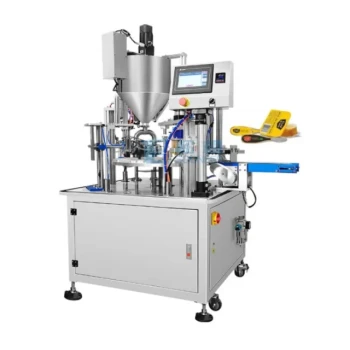
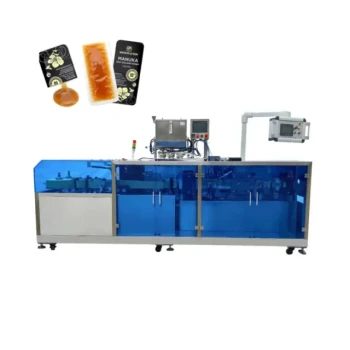
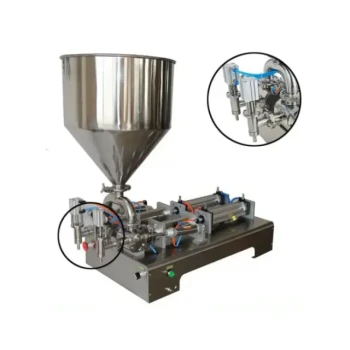
Automated machinery serves as a critical lever for resource reallocation. High-efficiency honey filling machines and hive-making hardware contribute to sustainability by decoupling production volume from manual labor intensity. This shift allows commercial apiaries to redirect human and financial capital toward essential biological tasks, such as colony health monitoring and precise migration planning, rather than being consumed by the logistics of packaging.
The core contribution of automation to apiary sustainability is not just speed, but the strategic preservation of biological resources. By streamlining the mechanical bottleneck of processing, large-scale operations gain the capacity to focus on disease management and environmental stewardship, ensuring long-term viability for both managed colonies and local ecosystems.
The Direct Impact on Colony Health and Survival
Reallocating Labor to Disease Management
The most significant sustainable impact of automation is the liberation of time. When industrial-grade filling machines handle the high-volume post-harvest workflow, labor can be shifted to core colony management.
This allows for timely interventions against threats like the Varroa destructor mite. Dedicating more effort to these treatments is a critical step in reducing winter mortality rates, a key metric for the sustainability of any apiary.
Mitigating Climate and Environmental Risks
Automated processing optimizes the backend of the supply chain, which improves the overall resilience of the operation. By reducing the time required to get products to market, apiaries can better allocate resources to winter preparation.
This efficiency provides a buffer against non-controllable risks, including climate change and natural disasters. Beekeepers can focus on stabilizing the hive environment rather than rushing to meet bottling quotas manually.
Reducing Ecological Pressure
Optimizing Migration Paths
The primary reference highlights that operational efficiency allows for better management of logistics, specifically regarding hive migration.
With standardized processing in place, beekeepers can plan migration routes that optimize forage access while minimizing competitive pressure on local wild bee populations. This strategic movement prevents the over-saturation of floral resources in a single area, promoting a balanced ecosystem.
Preserving Product Integrity
Sustainability also encompasses the reduction of waste and the preservation of natural resources. Automated systems minimize human contact, preventing secondary contamination and ensuring hygiene standards are met without chemical overuse.
Furthermore, industrial equipment handles filtration and dehydration precisely. This ensures the bioactive components of the honey are preserved, maximizing the nutritional value and longevity of the harvest.
Understanding the Operational Trade-offs
Standardization vs. Flexibility
To achieve high efficiency, automated machinery requires a standardized input. This often necessitates strict protocols for honey viscosity, filtration, and temperature control.
Apiaries must invest in upstream processing to ensure their honey meets the specific physical requirements of the filling hardware. This reduces the ability to handle small, inconsistent batches without disrupting the workflow.
Capital Intensity and Maintenance
While automation reduces labor costs over time, it introduces a reliance on technical infrastructure. Sustainability in this context requires a shift in skill sets—from pure manual labor to machinery maintenance and calibration.
Failure to maintain this equipment can lead to significant production halts, creating a different type of operational risk than manual processing.
Making the Right Choice for Your Goal
To leverage automation for true sustainability, align your equipment choices with your specific operational bottlenecks.
- If your primary focus is Colony Survival: Implement high-speed automation to free up maximum man-hours for Varroa mite treatment and winter preparation.
- If your primary focus is Ecological Balance: Use efficiency gains to plan improved migration logistics that reduce competition with wild pollinators.
- If your primary focus is Market Consistency: Prioritize machines with high-precision metering to ensure hygiene compliance and waste reduction.
True sustainability in modern beekeeping is achieved when mechanical efficiency is reinvested into biological stewardship.
Summary Table:
| Sustainability Factor | Role of Automation | Strategic Benefit |
|---|---|---|
| Colony Management | Frees labor from manual bottling | More time for Varroa mite control & health monitoring |
| Risk Mitigation | Streamlines post-harvest workflow | Faster market entry allows focus on winter preparation |
| Ecological Balance | Optimizes logistics/processing | Better migration planning to protect wild bee habitats |
| Product Integrity | Precise filtering & metering | Reduced contamination risk and minimal honey waste |
| Operational Scale | Decouples volume from labor | Long-term viability for large-scale commercial apiaries |
Elevate Your Apiary's Sustainability with HONESTBEE
At HONESTBEE, we empower commercial apiaries and distributors to transition from labor-intensive processes to high-efficiency industrial operations. Our comprehensive wholesale portfolio includes everything from high-precision honey filling machines and hive-making hardware to specialized beekeeping tools and essential consumables.
By integrating our advanced machinery, you can reduce operational bottlenecks and reinvest your team's expertise back into biological stewardship and colony health. Whether you are scaling production or looking to optimize your supply chain, HONESTBEE provides the specialized hardware and industry expertise you need to thrive in the global market.
Ready to modernize your operations? Contact us today to explore our wholesale solutions!
References
- Victoria A. Wojcik, Wade T. Tinkham. New Research and BMPs in Natural Areas: A Synthesis of the Pollinator Management Symposium from the 44th Natural Areas Conference, October 2017. DOI: 10.3375/043.038.0503
This article is also based on technical information from HonestBee Knowledge Base .
Related Products
- Precision Durable Efficient HONESTBEE Rotary Honey Filling Machine
- Semi Automatic Small Honey Bottle Filling Machine Honey Filler
- Economy Small Honey Filling Machine Honey Bottle Filler Packaging Machine
- Fully Automatic Honey Filling Packaging Machine for Processing Line
- Commercial Rotary Honey Filling Machine for Production
People Also Ask
- How do honey filling machines work? Achieve Precision & Speed for Your Apiary
- What is a key feature of the new generation of the honey filling machine? The Advanced Electronic Control Unit
- What are the common types of bottling machines used for honey? Choosing the Right Solution for Your Apiary
- How do honey filling and processing machines aid native bee product conservation? Boost Value with HONESTBEE Technology
- How do high-precision honey filling machines ensure quality? Optimize Your Commercial Production with HONESTBEE