Modern commercial beekeeping relies on a two-pronged infrastructure strategy: the standardized hive and the specialized winter storage facility. These tools work in tandem to provide a controlled physical environment for survival, reproduction, and honey production. By shielding colonies from extreme temperatures and pests, this infrastructure minimizes winter mortality and ensures vigorous colony recovery for spring pollination services.
The synergy between precision-engineered beehives and specialized winter storage protects the colony as a core biological asset. By stabilizing internal microclimates and preventing pest infestations, these systems ensure predictable honey yields and operational continuity for commercial beekeeping enterprises.
The Role of Standardized Beehives in Colony Stability
Precision Engineering for Climate Control
Standardized beehives are manufactured using high-precision machinery to ensure every component meets exact dimensions. This accuracy allows for an optimal balance of ventilation and thermal insulation, which reduces the metabolic stress placed on the bees.
A well-constructed hive maintains a stable internal environment despite external fluctuations. This stability is crucial for protecting the winter cluster and ensuring the queen can begin her egg-laying cycle as early as mid-January.
Pest Prevention and Structural Integrity
Regular maintenance and the use of high-quality materials prevent structural gaps where pests like wax moths can enter. By sealing cracks and ensuring a tight fit between hive bodies, beekeepers create a hardware safeguard against infestation.
These structural measures are critical for preventing colony absconding. A secure, well-maintained hive encourages the bees to remain in place and focus their energy on honey production rather than defense.
Operational Efficiency and Monitoring
Standardized designs allow commercial operators to accurately assess honey production potential through consistent box-yield metrics. This uniformity makes it easier for beekeepers to monitor growth across thousands of colonies simultaneously.
Furthermore, standardized components facilitate rapid colony relocation and supplemental feeding. When natural nectar is scarce, integrated feeders allow for the efficient delivery of sugar syrup or pollen substitutes to sustain colony strength.
The Impact of Specialized Winter Storage Facilities
Shielding Biological Assets from Extremes
Specialized winter storage facilities provide a controlled microclimate that removes the unpredictability of the natural environment. These facilities protect colonies from lethal temperature drops and excessive humidity that can decimate populations.
By reducing "abnormal losses" during the coldest months, these facilities preserve the beekeeper's core biological assets. This preservation is the foundation for a successful spring population recovery.
Managing Thermal Efficiency and Volume
During the winter transition, beekeepers often reduce the internal volume of the hive by removing empty honey supers. This allows the bees to heat a smaller space more efficiently, conserving their energy and food stores.
External protective layers and hive covers provide additional insulation when temperatures drop below 50 degrees Fahrenheit (10°C). In a storage facility, these measures work alongside ambient climate controls to ensure the colony's survival through the harshest weather.
Understanding the Trade-offs and Risks
Maintenance Requirements and Cost
While standardized hives offer superior protection, they require consistent maintenance and high-quality sourcing to remain effective. Gaps caused by wear or poor manufacturing can quickly negate the thermal benefits of the design.
Dependency on Supplemental Systems
Relying on specialized storage and feeding systems increases operational complexity. If feeders are not managed correctly during dearth periods, the colony may lack the nutrition required to transition into the honey flow period effectively.
The Risk of Technological Over-Reliance
While climate-controlled facilities reduce environmental risk, they require significant capital investment. Distributors must ensure that the equipment they provide is backed by deep professional expertise to help beekeepers manage these advanced systems.
Maximizing Results Through Professional Sourcing
For distributors and wholesalers, providing the right infrastructure is about ensuring client success through reliable, high-performance equipment. Choosing a partner with a full-spectrum product portfolio ensures that every component, from the hive body to the winter cover, works in harmony.
- If your primary focus is consistent colony health: Invest in high-precision, standardized hives that facilitate easy clinical inspections and disease control.
- If your primary focus is rapid spring recovery: Prioritize specialized wintering tools and high-efficiency feeders that sustain the queen’s egg-laying during the off-season.
- If your primary focus is operational scale: Partner with a supplier capable of ultra-fast delivery and efficient order fulfillment to meet seasonal demands without delay.
By integrating precision-engineered habitats with controlled storage environments, commercial beekeepers can transform unpredictable biological cycles into a stable and profitable enterprise.
Summary Table:
| Infrastructure Type | Key Function | Impact on Colony Health |
|---|---|---|
| Standardized Beehives | Precision climate control & ventilation | Reduces metabolic stress and stabilizes internal microclimates. |
| Winter Storage Facilities | Shielding from extreme temperatures | Minimizes winter mortality and protects core biological assets. |
| Integrated Feeders | Supplemental nutrition delivery | Sustains colony strength and supports queen egg-laying cycles. |
| Hive Covers/Insulation | Thermal efficiency management | Conserves energy by reducing the volume bees need to heat. |
Scale Your Business with HONESTBEE’s Full-Spectrum Solutions
As a distributor or B2B reseller, your success depends on supply reliability and product performance. HONESTBEE caters to commercial apiaries and wholesalers with a comprehensive one-stop sourcing offering. We provide everything from high-precision beekeeping tools and specialized hardware—like hive-making and honey-filling machines—to essential industry consumables and cultural merchandise.
Why partner with HONESTBEE?
- Maximize Margins: Competitive wholesale pricing and OEM/ODM support.
- Efficient Fulfillment: Ultra-fast delivery and rapid response times to meet seasonal demands.
- Professional Expertise: Deep industry knowledge to support your technical requirements.
Contact us today to access our premium trading services and secure a reliable supply chain for your beekeeping enterprise!
References
- Олена Подолянчук, Оlena Koval. ОРГАНІЗАЦІЯ ОБЛІКУ В ГАЛУЗІ БДЖІЛЬНИЦТВА. DOI: 10.52058/2708-7530-2024-4(46)-754-768
This article is also based on technical information from HonestBee Knowledge Base .
Related Products
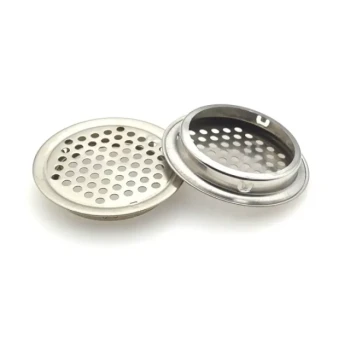
- Stainless Steel Round Beehive Air Vents for Ventilation
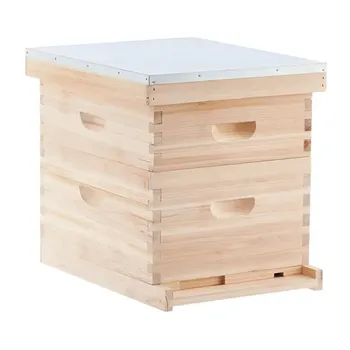
- Wholesales Dadant Size Wooden Bee Hives for Beekeeping
- Metal Hive Feet Bee Hive Stand for Ant Protection
- Metal Bee Hive Stand Bee Box Stand for Beekeeping
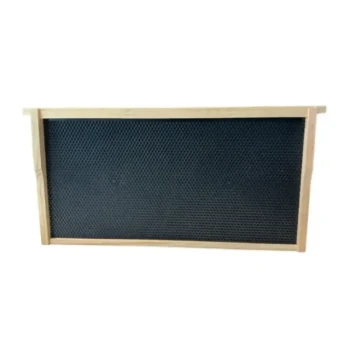
- Wooden Bee Hive Frames for Beekeeping and Wholesale
People Also Ask
- How does ventilation affect colony health, and how should it be managed seasonally? A Guide to Preventing Moisture & Overheating
- Why is proper ventilation important in a beehive? Prevent Mold, Regulate Temperature, and Boost Colony Health
- How can a beekeeper provide proper ventilation for a beehive throughout the year? Seasonal Strategies for Bee Health
- How can ventilation be added to a beehive without using an inner cover? Simple, Effective Solutions for Healthy Hives
- Why is good ventilation crucial when transporting beehives? Protect Your Colony from Lethal Overheating