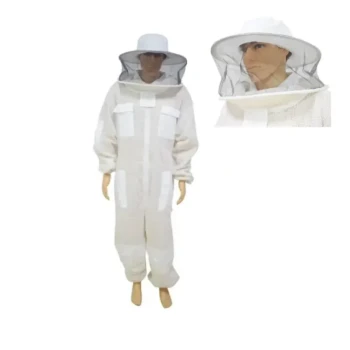
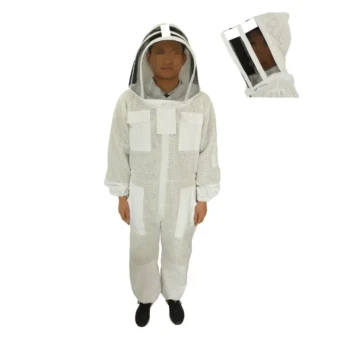
Mobile beekeeping units directly mitigate pesticide risks by enabling the physical relocation of colonies, effectively removing bees from hazardous agricultural zones during chemical applications. Protective equipment serves a vital, though indirect, role: it safeguards the beekeeper, enabling them to perform essential health screenings and interventions on defensive or stressed colonies without personal injury.
The most effective defense against pesticide exposure is a strategy of avoidance and management. Mobile units provide the "hardware" to retreat from danger, while professional protective gear enables the human intervention necessary to monitor health and maintain colony survival.
The Strategy of Evasion: Mobile Units
Mobile beekeeping units are the primary defense mechanism against direct chemical exposure. They transform a stationary apiary into a dynamic asset capable of reacting to environmental threats.
Rapid Relocation
The core function of mobile units is to facilitate the immediate migration of hives away from agricultural areas scheduled for pesticide application. By moving colonies out of range during critical windows—such as when neonicotinoids are sprayed—beekeepers can drastically reduce mortality rates among foragers.
Physical Isolation
Beyond relocation, mobile hive designs often incorporate entrance closers. These devices physically block bees from exiting the hive, preventing them from accessing insecticides and herbicides even if the hive cannot be moved far enough away immediately.
The Strategy of Intervention: Protective Equipment
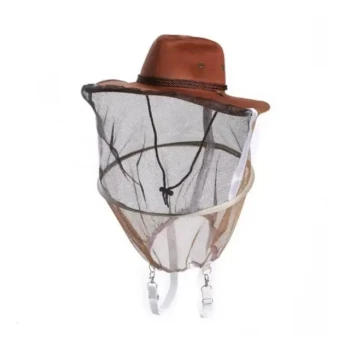
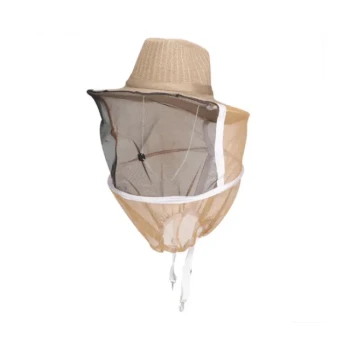
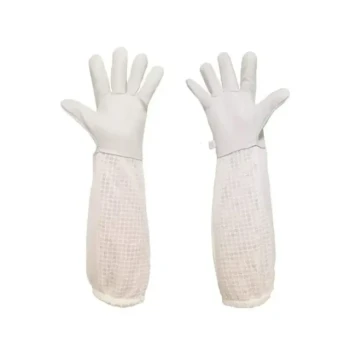
While protective equipment does not physically shield the bee from chemicals, it is critical for the management of the colony's risk. It mitigates risk by ensuring the human operator can function effectively.
Enabling Intensive Health Screenings
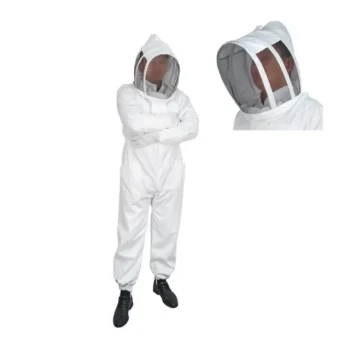
High-performance protective gear, such as industrial-grade bee suits, is necessary to protect technicians during prolonged sampling operations. This allows for rigorous health assessments and the collection of samples, which are essential for identifying poisoning early.
Managing Defensive Populations
Colonies under stress from environmental factors or chemical exposure may become defensive. Professional gear ensures that beekeepers can continue to manage these hives safely, performing tasks that might otherwise be abandoned due to safety concerns.
Supporting Systems for Risk Mitigation
Mobility and protection are most effective when paired with data and nutritional support.
Early Warning and Monitoring
Modern monitoring devices allow beekeepers to perceive environmental fluctuations and assess pesticide risks in real-time. This data is what triggers the decision to utilize mobile units, transforming migration from a reactive guess into a precise, data-driven tactic.
Nutritional Support During Isolation
When hives are relocated or isolated, natural nectar sources may be insufficient. Supplementary feeding equipment provides a stable food path, reducing the need for bees to forage. This lowers the risk of secondary exposure to contaminated pollen and maintains the colony's physical resistance to stress.
Assessing the Aftermath
Specialized hives with multi-functional baseplates allow for the collection of dead bee samples. This hardware enables beekeepers to visually identify clinical signs of poisoning—such as splayed wings or extended mouthparts—confirming whether mitigation strategies were successful.
Understanding the Operational Trade-offs
While mobile units and protective gear are powerful tools, they introduce specific challenges that must be managed.
The Stress of Migration
Rapid relocation is effective for avoiding poison, but the movement itself places stress on the colony. Frequent migration must be balanced against the physical health of the bees to prevent migration-induced decline.
Reliance on Artificial Nutrition
Isolating bees requires a dependence on supplementary feeding. While this prevents poisoning, it requires high-quality consumables to ensure brood vitality and overwintering survival; poor-quality substitutes can weaken the colony's long-term resilience.
Making the Right Choice for Your Goal
To effectively mitigate pesticide risks, your hardware choices must align with your specific management objectives.
- If your primary focus is immediate survival during spraying: Prioritize mobile hive units with entrance closers to physically remove or isolate bees from the chemical threat.
- If your primary focus is long-term colony health and diagnostics: Invest in industrial-grade protective gear and specialized monitoring hives to safely perform rigorous sampling and verify mortality causes.
- If your primary focus is maintaining strength during relocation: Ensure you have high-quality supplementary feeding equipment to offset the loss of natural forage and prevent nutritional stress.
Success in modern beekeeping lies in the ability to move fast when threats appear and the capacity to intervene safely when health is at risk.
Summary Table:
| Mitigation Strategy | Primary Function | Role in Pesticide Management |
|---|---|---|
| Mobile Units | Rapid Relocation | Physicially removes colonies from spray zones to avoid direct exposure. |
| Protective Gear | Human Safety | Enables rigorous health screenings and management of stressed, defensive hives. |
| Entrance Closers | Physical Isolation | Temporarily prevents foragers from accessing treated crops during application. |
| Feeding Systems | Nutritional Support | Reduces foraging needs in isolated areas, preventing secondary exposure. |
| Monitoring Hives | Data Collection | Provides real-time alerts to trigger migration and tracks clinical signs of poisoning. |
Secure Your Apiary Against Pesticide Risks with HONESTBEE
Protecting your bee colonies from environmental chemical threats requires the right industrial hardware and protective infrastructure. At HONESTBEE, we specialize in supporting commercial apiaries and distributors with high-performance solutions designed for resilience.
How we add value to your business:
- Advanced Mobility: Our mobile beekeeping units and hive-making machinery ensure your colonies are ready for rapid relocation.
- Professional Protection: We supply heavy-duty beekeeping suits and tools that allow your team to manage high-stress environments safely.
- Total Supply Chain: From honey-filling machines to essential industry consumables, we provide a full spectrum of equipment for the professional market.
Ready to upgrade your commercial operation? Contact us today for wholesale inquiries and expert equipment solutions.
References
- Damayanti Buchori, Midzon Johannis. Beekeeping and Managed Bee Diversity in Indonesia: Perspective and Preference of Beekeepers. DOI: 10.3390/d14010052
This article is also based on technical information from HonestBee Knowledge Base .
Related Products
- Premium Cowboy Beekeeper Hat with Visibility Veil Outdoor Professional Beekeeping Protective Gear
- Premium Cotton Beekeeper Suit with Reinforced Fencing Veil
- Beekeeping Jacket with Hood and Veil for Beekeepers
- White Cotton Beekeeping Jacket and Veil for Bee Keepers
- Beekeeper Cowboy Hat and Veil for Beekeeping
People Also Ask
- What design features contribute to the stability and fit of the beekeeper hat? Key Features for Maximum Hive Safety
- How is the beekeeper hat designed for comfort and practicality? Explore Key Features for Enhanced Apiary Safety
- What is the general protective gear recommendation for new beekeepers? Your Essential Beginner's Safety Guide
- How does beekeeping protective gear facilitate the queen bee selection process? Enhancing Precision in Queen Breeding
- What should beekeepers consider when choosing protective gear? A Guide for Maximum Safety & Comfort