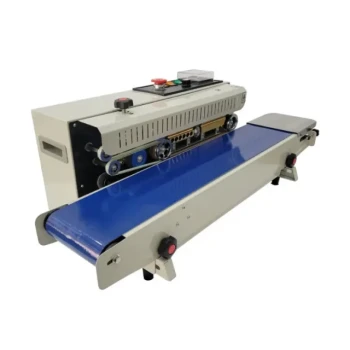
Closed-loop wax processing systems enhance apiary biosafety by eliminating the need for external wax inputs, thereby removing a primary vector for disease. By utilizing specialized refining equipment to recycle wax resources internally, apiaries create a self-contained ecosystem that effectively blocks the introduction of pathogens often associated with commercial beeswax substrates.
By decoupling your operation from the commercial wax supply chain, you transform wax from a consumable expense into a recycled asset, establishing a strict barrier against the introduction of external epidemics.
The Mechanism of Pathogen Control
Eliminating External Vectors
The primary threat to apiary biosafety often comes from outside the colony. Commercial beeswax substrates can carry pathogens from other infected apiaries.
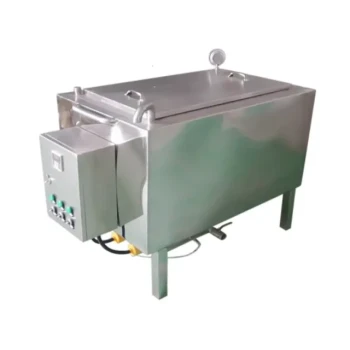
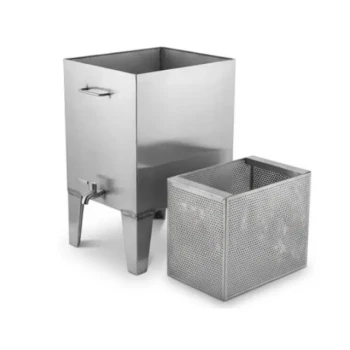
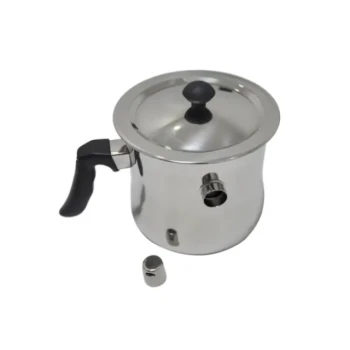
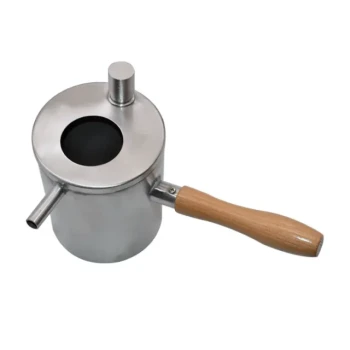
Closed-loop systems utilize specialized refining equipment to process wax generated solely within your own operation.
By avoiding commercial substrates entirely, you sever the route of transmission for external diseases, significantly enhancing the overall epidemic prevention level of the apiary.
Internal Resource Cycling
The core principle of this system is the internal recycling of wax resources.
Instead of discarding old comb or purchasing new foundation, the apiary refines its own raw wax.
This creates a self-sustaining cycle where the sanitary status of the wax is known and controlled, rather than assumed.
Operational and Biological Efficiency
Reducing Biological Stress
Beyond biosafety, these systems fundamentally change how the bee colony utilizes energy.
Industrial-grade processing machines refine raw wax into standardized comb foundations, which act as pre-constructed templates for the bees.
Energy Redirection for Yield
When bees are provided with these refined foundations, they significantly reduce the biological energy expenditure required to secrete natural wax.
This allows the colony to redirect that conserved energy toward honey collection.
The result is a colony that is not only safer from disease but also more productive in its primary output.
Quality Control and Standardization
Stabilizing Product Properties
Closed-loop processing does more than just clean the wax; it standardizes it.
The use of refining equipment ensures that the resulting wax products maintain stable physical and chemical properties.
Sustainable Production Control
This technology serves as a cornerstone for high-quality product control.
By owning the processing stage, beekeepers ensure that the foundation entering the hive meets exact specifications for sustainability and purity.
Understanding the Trade-offs
Equipment vs. Consumables
Implementing a closed-loop system shifts the operational burden from "consumable costs" to "capital investment."
While you reduce dependence on external consumables (buying wax), you increase reliance on specialized refining equipment.
Success in this model requires not just beekeeping knowledge, but the ability to operate and maintain industrial-grade processing machinery to ensure the "closed loop" remains efficient.
Making the Right Choice for Your Goal
Adopting a closed-loop system impacts both the health of your bees and the bottom line of your production.
- If your primary focus is Apiary Health: Prioritize the system's ability to isolate your colonies from the commercial wax supply chain, blocking the entry of external pathogens.
- If your primary focus is Honey Production: Leverage the system to produce high-quality foundations, minimizing bee fatigue and maximizing energy available for nectar collection.
True sustainability in modern beekeeping lies in controlling the entire lifecycle of your hive's resources, ensuring that what goes into your hives is as safe as what comes out.
Summary Table:
| Feature | Impact on Apiary Biosafety & Efficiency |
|---|---|
| External Vectors | Eliminated; stops the introduction of pathogens from commercial substrates. |
| Resource Cycle | Self-contained; converts old comb into clean, standardized wax foundation. |
| Energy Expenditure | Reduced; bees save energy on wax secretion, redirecting it to honey production. |
| Quality Control | High; ensures consistent physical and chemical properties of hive components. |
| Financial Model | Shift from recurring consumable costs to long-term capital equipment investment. |
Secure Your Apiary’s Future with HONESTBEE
Take total control of your production lifecycle and protect your colonies from external disease vectors. HONESTBEE specializes in empowering commercial apiaries and distributors with professional-grade solutions. Whether you need specialized hive-making and honey-filling machines or a full range of beekeeping tools and equipment, our wholesale offerings are designed to scale your operation.
Ready to transform your wax from an expense into a recycled asset? Contact HONESTBEE today to discover how our industrial processing machinery and industry consumables can enhance your biosafety and maximize your honey yield.
References
- Agnieszka Kuś. Innovation management in apiaries in times of biodiversity crisis: evidence from Poland. DOI: 10.33119/jmfs.2024.54.3
This article is also based on technical information from HonestBee Knowledge Base .
Related Products
- Electric Beeswax Flat Sheet Machine with Operating Tray for Wax Processing
- Electric Commercial Beeswax Melter for Factory Use
- Manual Beeswax Flat Sheet Machine for Beeswax Processing
- Fully Automatic Beeswax Embossing Machine Foundation Mill
- Steam Beeswax Melter Wax Warmer for Wax Processing
People Also Ask
- What is the primary function of the double-roller extrusion system? Master Precision Beeswax Foundation Production
- How do cultural merchandise processing machines contribute to the economic value chain? Boosting Apiary Profitability
- How do specialized beeswax processing machines maximize the value of beekeeping by-products? Boost Your Apiary's ROI
- How does the machine flatten the beeswax? A Guide to Roller and Press Methods
- What are the key functions of a beeswax machine? Maximize Apiary Efficiency & Revenue with Professional Equipment