Dedicated transportation tools fundamentally reshape honey logistics by shifting control from third-party providers directly to the producer. This autonomy drastically reduces operational costs by eliminating intermediary transaction fees and enhances competitiveness by enabling rapid response to market fluctuations and preserving the delicate physical quality of the honey through faster transit times.
By internalizing transportation, producers transform logistics from a distinct cost center into a strategic asset. This control facilitates dynamic market entry and superior quality preservation, directly boosting profitability and brand reputation.
The Financial Impact of Direct Logistics Control
Eliminating Third-Party Overheads
Relying on external logistics providers introduces transaction fees and service charges that erode profit margins.
By utilizing dedicated transportation tools, producers bypass these intermediaries entirely. This significantly lowers the cost per unit shipped, ensuring a healthier bottom line.
Capitalizing on Market Dynamics
Standard logistics contracts often lock producers into rigid schedules or specific routes.
Dedicated tools offer the flexibility to pivot immediately toward markets exhibiting high demand or superior pricing. This agility allows producers to capture maximum value rather than settling for average market rates.
Preserving Quality to Maintain Competitiveness
Speed as a Quality Preservative
Honey is a natural product susceptible to degradation when exposed to unfavorable environmental factors for extended periods.
Dedicated transportation accelerates transit times, minimizing the window in which the product is vulnerable. Faster delivery directly correlates to higher product integrity.
Ensuring Shelf Appeal
Competitiveness at the retail level is driven by product appearance and shelf life.
By controlling the transport environment and speed, producers ensure the honey arrives with a superior appearance. A high-quality presentation is critical for maintaining consumer trust and justifying premium price points.
Understanding the Trade-offs
Operational Responsibility
While dedicated tools reduce external fees, they transfer the burden of logistics management to the producer.
You must be prepared to handle the complexities of routing, scheduling, and maintenance. This requires internal resources that were previously handled by third-party vendors.
Initial Capital vs. Long-Term Savings
Moving to dedicated transportation often requires an upfront investment in tools or vehicles.
Producers must weigh this immediate capital expenditure against the long-term savings generated by eliminated transaction fees. The return on investment depends heavily on volume and the frequency of shipments.
Making the Right Choice for Your Logistics Strategy
Adopting dedicated transportation tools is a strategic decision that depends on your specific business pressures.
- If your primary focus is Margin Optimization: Implement dedicated tools to eliminate recurring third-party transaction fees and capture the full value of your logistics spend.
- If your primary focus is Premium Quality: Prioritize the speed and environmental control offered by dedicated transport to extend shelf life and ensure superior visual appeal.
Control over your supply chain is the final step in guaranteeing the value created in the hive reaches the consumer intact.
Summary Table:
| Factor | Third-Party Logistics | Dedicated Transportation Tools |
|---|---|---|
| Cost Structure | High transaction fees & overheads | Low per-unit cost; eliminates intermediaries |
| Market Agility | Rigid schedules and fixed routes | Immediate pivot to high-demand markets |
| Quality Control | Variable transit times | Accelerated delivery & superior preservation |
| Investment | Low upfront, high recurring cost | Higher initial CAPEX, long-term ROI |
| Management | Outsourced responsibility | Internalized strategic control |
Scale Your Apiary Operations with HONESTBEE
Are logistics overheads and transit delays eating into your profit margins? At HONESTBEE, we empower commercial apiaries and honey distributors with the professional-grade tools needed to master the supply chain.
From high-efficiency honey-filling machines to specialized hive-making equipment and a complete range of beekeeping consumables, our wholesale solutions are designed to enhance your production capacity and market competitiveness.
Ready to transform your logistics into a strategic asset? Contact us today to explore our comprehensive portfolio and discover how our expertise can drive your business growth.
References
- Alexis Mizero, Dick Chune Midamba. Evaluation of the determinants of honey producers' market outlet choices in Huye District, Southern Province of Rwanda. DOI: 10.1007/s44279-024-00130-2
This article is also based on technical information from HonestBee Knowledge Base .
Related Products
- Durable Plastic Interlocking Hive Connector for Beekeeping
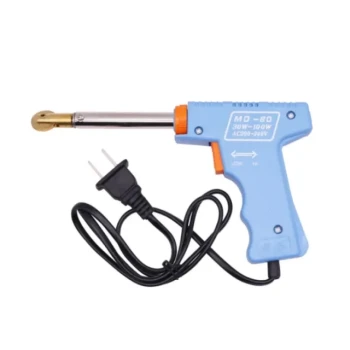
- HONESTBEE professional Efficient Beekeeping Tool: Electric Spur Wheel Wire Embedder
- Plastic Transporting Bee Packages and Nuc Boxes for Beekeeping
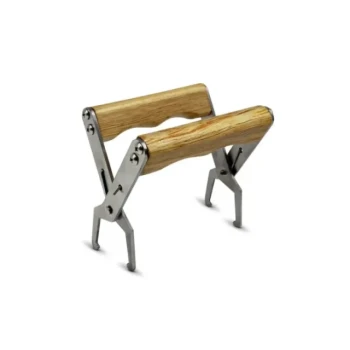
- Premium Frame Grip with Ergonomic Wood Handles
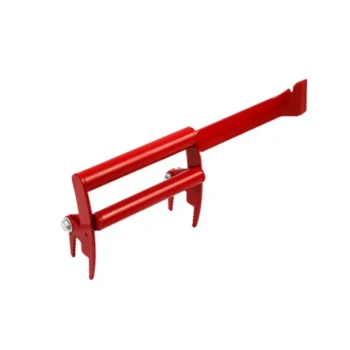
- Professional Stainless Steel Pry-Bar Hive Tool
People Also Ask
- How do plastic bee hives compare to wooden hives in handling? Reduce Strain & Boost Efficiency
- Are plastic bee hives any good? Unlock Durability & Efficiency for Your Apiary
- Under what circumstance are beehive connectors particularly beneficial? Optimize Handling for Full Beehive Attachments
- Are plastic bee hives good? Durable, Low-Maintenance Hives for Modern Apiaries
- What is the advantage of using the beehive connector when handling full attachments? Achieve Safe and Efficient Hive Transport