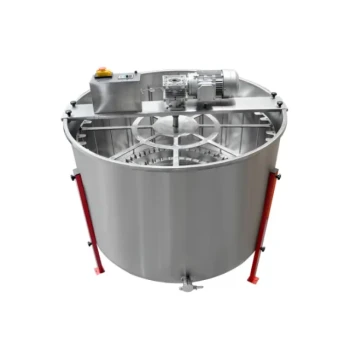
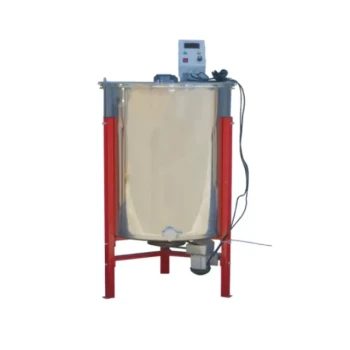
Electricity-driven honey processing machines serve as the critical technological bridge between raw biological output and a shelf-ready commercial product. These automated systems primarily facilitate the efficient separation of honey from beeswax using mechanical forces, such as centrifugal extraction, followed by integrated filtration and packaging processes to ensure physical stability and hygiene.
Core Insight While the immediate function of these machines is to speed up extraction and bottling, their deeper value lies in standardization and biological safety. By replacing manual handling with enclosed, automated systems, producers can achieve the sterile conditions and precise consistency required for high-level quality certifications and global market competitiveness.
Mechanics of the Post-Treatment Process
Centrifugal Extraction and Separation
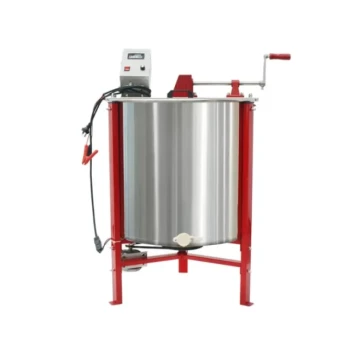
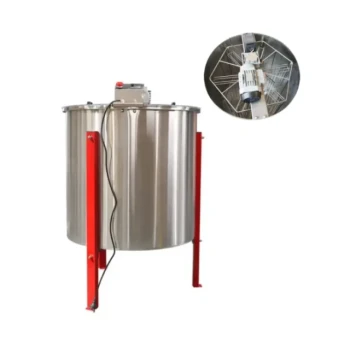
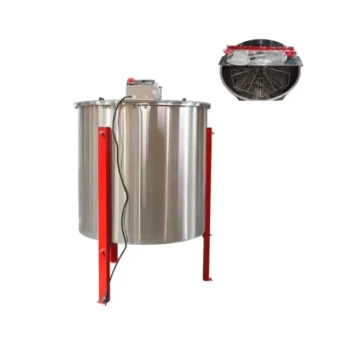
The core function of electricity-driven processing is the separation of mature honey from the honeycomb. Machines utilize centrifugal force to spin the frames, extracting the liquid honey without destroying the comb structure.
This mechanical separation is significantly faster than gravity-based methods. It allows for the rapid processing of large volumes of honey while maximizing the preservation of the honey's natural nutritional components and flavors.
Filtration and Impurity Removal
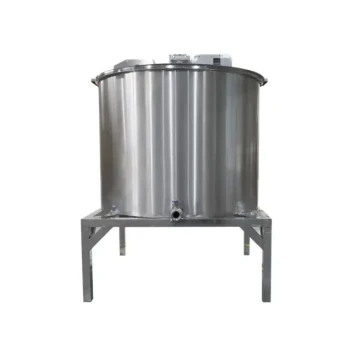
Once extracted, the honey must be purified before it is suitable for sale. Integrated filtration systems remove beeswax particles, debris, and other impurities introduced during harvesting.
This stage is vital for maintaining the physical stability of the honey. Proper filtration prevents premature crystallization triggers and ensures the smooth texture expected by consumers.
The Critical Role of Automated Packaging
Precision Dosing and Waste Reduction
Modern electricity-driven filling machines utilize high-precision flow control to dispense honey into jars. This technology ensures that every unit contains a consistent weight, adhering strictly to labeling laws.
By eliminating the variability of manual pouring, producers significantly minimize material waste caused by spills or overfilling. This precision is essential for economic efficiency in commercial operations.
Extending Shelf Life through Sterility
Automated filling machines often operate as enclosed systems. This design drastically reduces the risk of secondary contamination from external dust or human contact.
Advanced sealing technologies are applied immediately after filling. This sterile packaging process acts as a final safeguard, significantly extending the shelf life of the product and maintaining its quality from the factory to the consumer's table.
Standardization and Commercial Strategy
Enabling Quality Certification
For apiaries seeking specific quality labels, such as Geographical Indication (GI), mechanical consistency is mandatory. Automated systems provide the standardized output required to prove product consistency to regulatory bodies.
Branding and Market Competitiveness
Transitioning to electricity-driven processing allows producers to convert raw honey into a standardized retail commodity. The resulting product uniformity helps establish brand credibility.
Furthermore, the ability to process high volumes quickly—especially when combined with management techniques like vertical migration to capture short flowering windows—enhances the overall economic output of the operation.
Understanding the Operational Trade-offs
The Necessity of Calibration
While these machines offer speed, they require strict management. The precision of flow control and extraction force must be calibrated to the specific viscosity of the honey, which can change based on temperature and floral source.
Hygiene vs. Maintenance
Automated systems reduce biological contamination risks, but they introduce a need for rigorous equipment sanitation. The "enclosed" nature of the machinery means that internal cleaning protocols must be flawless to prevent the equipment itself from becoming a source of cross-contamination.
Making the Right Choice for Your Goal
To determine how to best leverage electricity-driven processing for your operation, consider your primary objective:
- If your primary focus is Food Safety Compliance: Prioritize enclosed automated filling systems to eliminate manual contact and meet strict hygiene standards.
- If your primary focus is Brand Building and Export: Focus on high-precision dosing technology to ensure the weight consistency and standardization required for certifications like GI.
- If your primary focus is Economic Scale: Invest in high-capacity centrifugal extractors to maximize yield during limited flowering windows.
Ultimately, electricity-driven processing is not just about speed; it is the fundamental tool for transforming a variable natural resource into a trusted, high-value consumer product.
Summary Table:
| Process Stage | Machine Function | Key Benefit |
|---|---|---|
| Extraction | Centrifugal Force Separation | Maximizes yield while preserving comb structure and flavor |
| Filtration | Impurity & Debris Removal | Ensures physical stability and prevents premature crystallization |
| Packaging | High-Precision Flow Dosing | Minimizes waste and ensures strict weight compliance for retail |
| Sealing | Enclosed Automated Systems | Eliminates secondary contamination and extends product shelf life |
Scale Your Apiary with HONESTBEE Precision Equipment
At HONESTBEE, we specialize in empowering commercial apiaries and distributors with high-performance honey processing solutions. From high-capacity centrifugal extractors to precision honey-filling machines and specialized hive-making hardware, we provide the full spectrum of tools needed to transform raw honey into a premium retail brand.
Our machinery is designed to ensure the standardization, biological safety, and consistency required for global market competitiveness. Whether you are looking to upgrade your extraction line or source essential industry consumables, our experts are ready to help you optimize your production.
Ready to elevate your honey production? Contact us today for a wholesale consultation!
References
- Jani Sillman, Helena Kahiluoto. Contribution of honeybees towards the net environmental benefits of food. DOI: 10.1016/j.scitotenv.2020.143880
This article is also based on technical information from HonestBee Knowledge Base .
Related Products
- Electric Double Wall Honey Filtering Machine Purifier Equipment for Honey Processing Plant
- Electric Honey Press Machine for Squeezing Honey Comb Press Equipment
- HONESTBEE 6 Frame Three Use Electric Honey Extractor for Beekeeping
- 10L Stainless Steel Electric Honey Press Machine
- 32 Frame Commercial Electric Honey Extractor for Beekeeping and Honey Production
People Also Ask
- What is the process of filtering honey? A Guide to Clean, Pure, and Market-Ready Honey
- What types of equipment are used in honey filtering? Build an Efficient System for Pure, Marketable Honey
- What is the overall importance of using the right equipment in honey filtering? Boost Quality & Marketability
- How should honey filtering equipment be properly maintained? Extend Equipment Life & Protect Honey Purity
- What is a potential concern associated with filtering honey? Balancing Clarity and Pollen Preservation